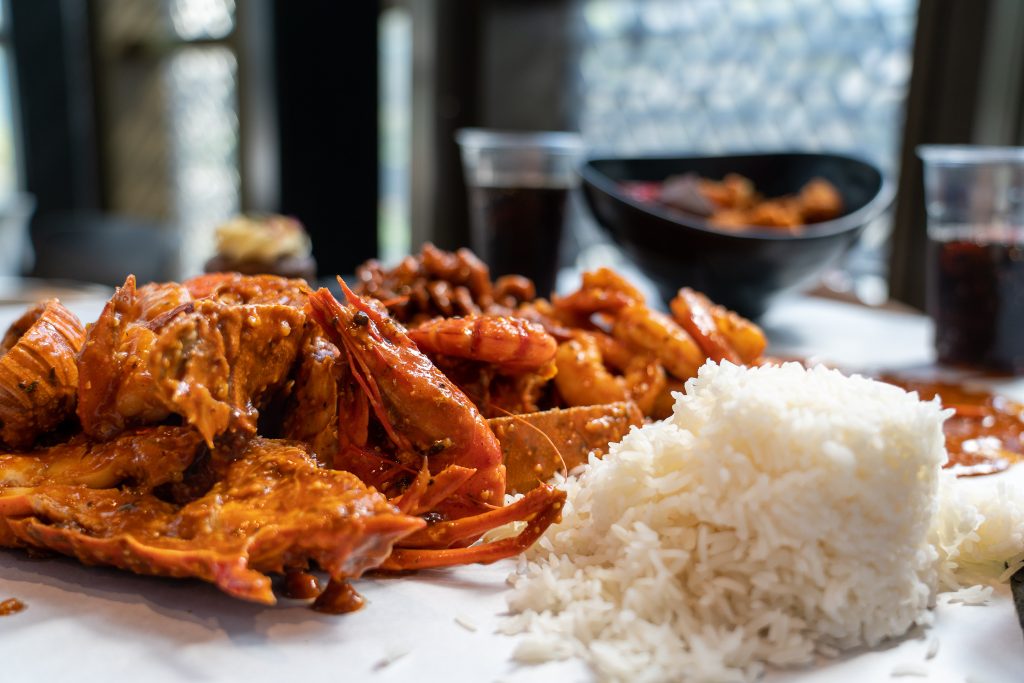
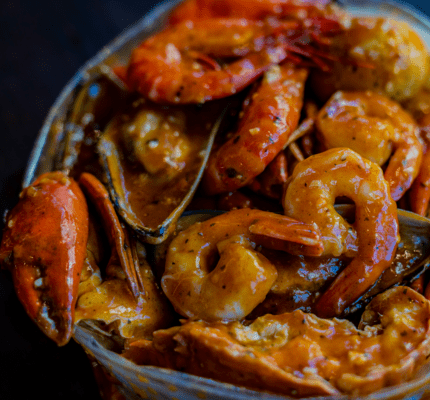
If you’ve been wondering what is a seafood boil and why it’s become such a sensation across Australia, you’re not alone. This vibrant, hands-on dining experience has captured the hearts and taste buds of Australians from Sydney to Perth, transforming the way we enjoy seafood together.
A seafood boil is a communal cooking method where fresh seafood, vegetables, and sausages are cooked together in a large pot of heavily seasoned broth. Traditional recipes confirm this approach brings out the best flavours while creating an interactive experience. The entire feast is then dumped onto tables covered with butcher paper, creating an interactive dining experience where everyone digs in with their hands. This bold, flavourful approach to seafood has deep roots in American Southern culture, particularly Louisiana’s Cajun communities, but has found a welcoming home in Australia’s diverse food scene.

The appeal goes far beyond just the food itself. Seafood boils represent a complete shift from formal dining to casual, social eating that brings people together around shared flavours and messy, joyful experiences.
What Makes a Traditional Seafood Boil Special
Understanding the cultural origins of seafood boils helps explain why they work so brilliantly as both a cooking method and social experience. Historical sources trace this style of cooking to the Southern United States, specifically Louisiana’s Cajun communities, where it emerged as an efficient way to feed large groups of people with abundant local seafood and bold seasonings.
How Does the Cooking Process Actually Work
The magic of a seafood boil lies in its staged cooking approach. Ingredients are added to the seasoned broth in a specific order based on cooking times, ensuring everything finishes perfectly together. Professional cooking guides emphasise that this timed approach is essential – harder vegetables like potatoes and corn go in first, followed by sausages, then shellfish, and finally more delicate seafood.
The cooking liquid itself is heavily spiced with a blend that typically includes cayenne pepper, garlic, bay leaves, lemon, and various Cajun seasonings. Research shows that authentic preparations use these traditional ingredients to create flavour-packed broths that infuse every ingredient with bold, complementary tastes.
Why Are the Seasonings So Important
One common misconception is that heavy seasoning in seafood boils masks poor-quality ingredients. In reality, the robust flavours are designed to enhance and complement fresh seafood, not cover it up. Authentic Cajun cooking traditions focus on bold, spicy flavours that work through traditional techniques to ensure every piece absorbs those rich flavours. The seasoning tradition reflects cultural preferences for bold, layered flavours that create a more intense dining experience.
Different regions have developed their own seasoning profiles. Louisiana-style boils tend to be spicier and more complex, while other regions might favour milder approaches or incorporate local flavour preferences. The key is achieving balance where the seasoning enhances rather than overwhelms the natural sweetness of fresh seafood.
What Types of Regional Variations Exist
Seafood boil traditions vary significantly across different regions, each reflecting local ingredients, cultural influences, and flavour preferences. Australian adaptations show how the concept adapts beautifully to different markets, incorporating local seafood varieties while maintaining the core communal cooking approach.
Which Styles Influence Modern Australian Boils
Louisiana Cajun boils represent the most well-known style, featuring crawfish, shrimp, and crab with intense spicing and signature seasonings. These boils emphasise community gathering and bold flavours that create memorable shared experiences.
Mid-Atlantic styles tend to be somewhat milder while still maintaining the communal cooking approach. Some regions incorporate influences from Nordic traditions, featuring simpler seasoning profiles that allow the seafood’s natural flavours to shine more prominently.
Australian seafood boils often blend these influences, taking the social dining concept and bold flavours of Southern American traditions while incorporating fresh local seafood. However, the evidence on spice adaptations for local tastes is still emerging, with restaurants finding the right balance between authentic heat and broader appeal.
| Boil Style | Signature Features | Spice Level | Common Seafood |
|---|---|---|---|
| Louisiana Cajun | Complex spice blends, crawfish focus | High heat | Crawfish, shrimp, crab |
| Mid-Atlantic | Balanced seasonings, crab emphasis | Moderate | Blue crab, clams, mussels |
| Australian Fusion | Local seafood, adapted spicing | Medium to high | Prawns, mud crab, yabbies |
Why Has Seafood Boil Culture Exploded in Australia
The rapid growth of seafood boil popularity in Australia reflects several cultural and social factors that align perfectly with Australian dining preferences and lifestyle values.
How Did the Trend Reach Australian Shores
The global expansion of seafood boil culture accelerated significantly during and after the COVID-19 pandemic. As restaurants sought new ways to engage diners and create memorable experiences, the interactive nature of seafood boils proved perfectly suited to both indoor and outdoor dining scenarios.
Australia’s existing love for seafood, casual dining, and social eating experiences created ideal conditions for seafood boil culture to flourish. Industry data shows that chains like Kickin’Inn expanded from one location in 2018 to nearly 30 by 2025, demonstrating how the hands-on, communal nature aligns beautifully with Australian values around relaxed socialising and shared experiences.
What Makes Seafood Boils Perfect for Australian Culture
Several factors explain why seafood boils have found such enthusiastic acceptance in Australia:
- Outdoor dining compatibility – The casual, messy nature works perfectly for Australian outdoor dining preferences
- Seafood abundance – Australia’s incredible seafood diversity provides endless local adaptation opportunities
- Social dining traditions – The communal approach aligns with Australian barbecue and shared meal cultures
- Interactive experience – Hands-on eating appeals to diners seeking engagement beyond standard restaurant meals
- Instagram appeal – The colourful, abundant presentation creates highly shareable dining moments
The timing also coincided with growing interest in experiential dining, where the meal becomes an event rather than just food consumption.
How Do You Navigate Different Cooking Approaches
Understanding various approaches to seafood preparation helps diners appreciate why boils work so effectively while addressing common concerns about cooking methods and flavour profiles.
What About Concerns Over Cooking Times and Methods
Some diners, particularly those accustomed to more delicate seafood preparation methods, initially worry about overcooking in seafood boils. The staged cooking approach actually prevents this issue when executed properly, with each ingredient added at precisely the right moment to achieve optimal texture. Professional techniques show that experienced cooks add ingredients sequentially at staggered times to ensure proper doneness.
Experienced boil cooks understand that different seafood requires different treatment. Delicate items like prawns might only need a few minutes, while heartier shellfish can handle longer cooking times. The key lies in understanding these timing differences rather than throwing everything in simultaneously.
How Do Seasoning Preferences Vary
Cultural background significantly influences seasoning preferences and comfort levels with heavily spiced food. Diners from traditions emphasising subtle seafood preparation might initially find bold boil seasonings overwhelming.
However, many people discover that well-executed seasoning actually enhances their ability to taste the seafood rather than masking it. The spices and aromatics create layers of flavour that complement the natural sweetness and brininess of fresh seafood.
Evidence suggests that restaurants often customise portions based on individual spice tolerance, allowing newcomers to gradually explore bolder flavours while ensuring experienced spice lovers get the heat they crave.
What Should You Expect from Your First Seafood Boil Experience
Knowing what to expect helps first-time diners fully embrace the unique aspects of seafood boil dining and avoid common misconceptions or hesitations.
How Does the Dining Process Actually Work
Seafood boils challenge traditional dining etiquette in the best possible way. Tables are typically covered with butcher paper or plastic sheeting, and the entire cooked feast is dumped directly onto the surface. Diners receive bibs, wet wipes, and basic tools like crab crackers and small hammers.
The eating process is intentionally hands-on and social. You’ll peel prawns, crack crab shells, and share accompaniments like corn and potatoes with others at your table. This creates natural conversation opportunities and breaks down social barriers that formal dining might maintain.
What Flavour Experience Can You Expect
A well-prepared seafood boil delivers complex, layered flavours that evolve as you eat. The initial impact comes from the bold seasonings, followed by the natural sweetness of fresh seafood, and finishing with aromatic herbs and citrus notes.
The cooking method ensures that vegetables absorb seafood flavours while contributing their own tastes to the mix. Corn becomes sweet and slightly spicy, potatoes take on oceanic notes, and sausages add richness and additional seasoning complexity.
Many diners find that the combination creates a more satisfying and memorable meal than eating the same ingredients separately. The shared cooking process allows flavours to meld and intensify in ways that individual preparation cannot achieve.
What the Evidence Shows About Seafood Boils
Research and culinary expertise reveal several important insights about seafood boil cooking and culture:
- Staged cooking techniques work: Multiple culinary sources confirm that adding ingredients in timed stages based on cooking requirements ensures optimal textures and prevents overcooking of delicate seafood.
- Bold seasonings enhance rather than mask: Traditional Cajun cooking principles show that well-balanced spice blends complement the natural sweetness of quality seafood rather than covering poor ingredients.
- Regional adaptations are successful: Australian versions successfully incorporate local seafood varieties like prawns, mud crab, and yabbies while maintaining authentic flavour profiles.
- Cultural alignment drives popularity: The communal, hands-on dining style aligns perfectly with Australian outdoor dining traditions and social eating preferences.
- Quality varies between establishments: While recipes emphasise fresh seafood and proper techniques, not all studies agree on standardised preparation methods across different restaurants and regions.
- Spice customisation is emerging: The evidence on how restaurants adapt heat levels for local tastes is still developing, with approaches varying between establishments.
What to Do Next If You Want to Try a Seafood Boil
Ready to experience the excitement of a proper seafood boil? The key is choosing the right venue and approaching the experience with an open mind and empty stomach.
How Should You Prepare for Your First Visit
Come hungry and dress casually – seafood boils are messy affairs that prioritise fun over formality. Avoid wearing white or delicate fabrics, and consider bringing or wearing clothes you don’t mind getting splashed with seasoned broth.
Groups work best for seafood boils, as the communal nature means larger orders provide better variety and value. Plan for longer meal times than typical restaurant visits, as the hands-on eating process naturally extends the dining experience.
If you’re sensitive to spicy food, don’t hesitate to ask about spice levels and request modifications. Most quality establishments offer options for different heat preferences while maintaining the essential flavour profiles that make boils special.
What Makes a Quality Seafood Boil Experience
Look for restaurants that emphasise fresh, quality seafood and proper cooking techniques. The best experiences feature perfectly timed cooking where nothing is overdone, generous portions that encourage sharing, and attentive service that ensures your table has everything needed for the hands-on dining process.
Quality establishments will also offer varying spice levels, accommodate dietary restrictions where possible, and create an atmosphere that encourages the social, relaxed dining that makes seafood boils special.
Key Takeaways About Seafood Boil Culture
Seafood boils represent much more than just a cooking method – they’re a complete dining philosophy that prioritises community, bold flavours, and joyful experiences over formal presentation. The technique’s success in Australia demonstrates how food traditions can cross cultural boundaries when they align with local values and preferences.
Whether you’re drawn by curiosity about the bold flavours, interest in social dining experiences, or simply love for fresh seafood, a well-executed seafood boil offers something unique in the Australian dining landscape. The combination of quality ingredients, expert seasoning, and communal enjoyment creates memories that extend far beyond the meal itself.
As this dining style continues evolving in Australia, it maintains its core appeal of bringing people together around exceptional seafood and shared experiences. For food lovers seeking something beyond typical restaurant meals, seafood boils provide an adventure in both flavour and social connection.
Think you have what it takes to work at Kickin'Inn?
Fill out an expression of interest form here. We strive to respond to all applicants as promptly as possible. We look forward to hearing from you!