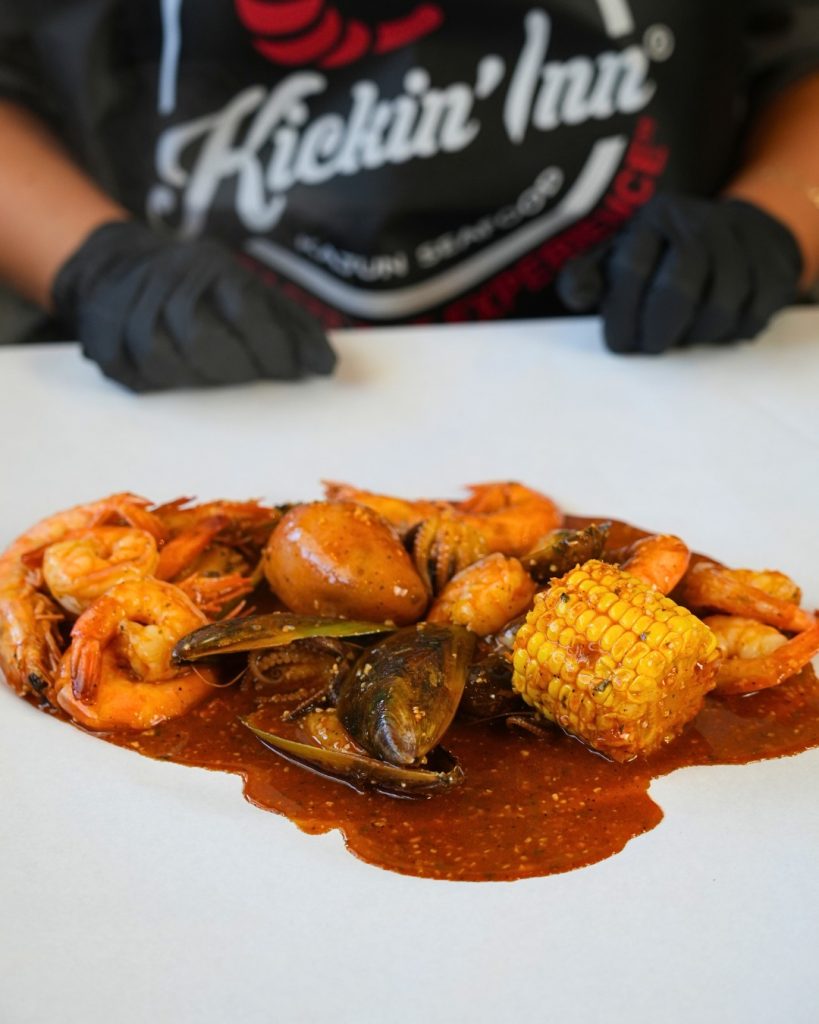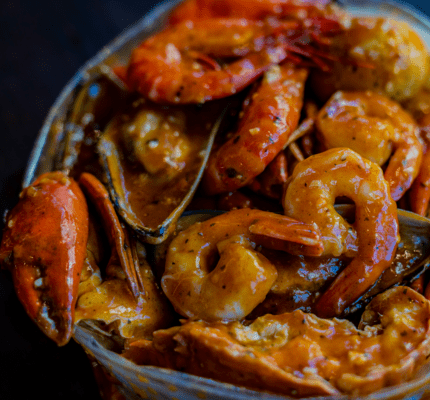
If you’ve ever wondered what makes Cajun seafood taste so different from the regular seafood you might order at other restaurants, you’re not alone. The distinctive flavours that define Cajun seafood taste come from centuries-old cooking traditions that transform simple ocean fare into something bold, spicy, and utterly memorable.
Regular seafood often highlights the natural, clean taste of fish, prawns, or crab with minimal seasoning. Cajun seafood, on the other hand, embraces a philosophy of layered spices, bold seasonings, and cooking techniques that create an entirely different flavour experience. Understanding these differences can help you know what to expect when you’re choosing between traditional seafood preparations and the exciting world of Cajun cooking.
In this guide, we’ll explore the key flavour differences, cooking methods, and seasoning approaches that set Cajun seafood apart from its more traditional counterparts.
What Makes Cajun Seafood Flavour So Distinctive
The most noticeable difference when you first taste Cajun seafood is the immediate hit of complex spices and heat. Unlike regular seafood that might be grilled with just lemon and herbs, authentic Cajun preparations use spice blends that can include cayenne pepper, paprika, garlic powder, onion powder, oregano, thyme, and black pepper. These traditional blends have been perfected over generations to create the signature heat and depth that defines Cajun cuisine.
How Do Citrus Elements Change the Taste Profile
One of the standout characteristics of many Cajun seafood preparations is the prominent tangy lemon flavour that cuts through the richness and spice. This citric component comes from the strategic use of lemon juice or citric acid in batters and seasonings, creating a zesty brightness that regular seafood preparations often lack.
This lemon element serves multiple purposes in Cajun cooking. It balances the heat from peppers, enhances the natural sweetness of seafood, and adds a refreshing contrast that keeps each bite interesting. When you compare this to regular seafood that might just have a squeeze of lemon on the side, the integrated citrus in Cajun preparations creates a more complex and satisfying flavour experience.
What Role Do Different Spice Intensities Play
Cajun seafood offers varying levels of heat and spice complexity that you simply won’t find in traditional seafood preparations. Research from traditional Cajun cooking methods shows that spice blends can create multiple heat levels through careful adjustment of cayenne pepper and other spices, allowing for customised intensity while maintaining authentic flavour profiles.
- Mild Cajun preparations offer warmth and complexity without overwhelming heat
- Medium spice levels provide noticeable heat that enhances rather than masks seafood flavours
- Hot Cajun seasonings deliver significant heat alongside robust flavour development
- Custom blended seasonings allow for personalised heat and flavour combinations
How Do Cooking Methods Affect Flavour Differences
The cooking techniques used in Cajun seafood preparation fundamentally change how the final dish tastes compared to regular seafood cooking methods. These differences go beyond just seasoning to include texture, moisture retention, and flavour penetration.
What Makes Cajun Batters and Coatings Special
Traditional seafood might be grilled, steamed, or lightly battered, but Cajun seafood often features specially seasoned coatings that become part of the flavour experience. Cracker meal seasoned with spices has become particularly popular as an alternative breading option, though traditional Cajun coatings more commonly use combinations of cornmeal and flour with bold spices. The evidence is mixed on which coating provides superior results, as different preparations suit different seafood types and personal preferences.
The texture differences are significant when comparing Cajun and regular seafood preparations. Some Cajun styles use finer flour-based batters that create a more delicate coating, allowing the seafood’s natural taste to shine through while still providing that characteristic spiced flavour. Others use coarser cornmeal that adds substantial crunch and holds more seasoning.
How Do Boiling and Steaming Techniques Compare
Cajun seafood boils represent perhaps the biggest departure from regular seafood cooking. Instead of gentle steaming or simple boiling in salted water, traditional Cajun boiling methods use heavily spiced cooking liquids that penetrate the seafood during cooking. Professional chefs recommend that the boiling broth should taste strongly seasoned before adding seafood, ensuring the spices and seasonings become part of the seafood itself, not just a surface coating.
Regular seafood preparations typically aim to preserve the clean, natural taste of the seafood. Cajun boils deliberately transform that natural taste into something bolder and more complex. The result is seafood that tastes completely different from what you’d expect from traditional preparation methods.
What Are the Key Seasoning Differences Between Cajun and Regular Seafood
Understanding the seasoning philosophy behind Cajun and regular seafood helps explain why they taste so different. While both approaches aim to enhance seafood without overwhelming it, Cajun seasoning is consistently described as bold, spicy, and pepper-forward, whilst regular seafood seasonings like Old Bay offer complex but milder flavour profiles. However, it’s worth noting that both approaches can be quite sophisticated in their own ways.
| Aspect | Regular Seafood | Cajun Seafood |
|---|---|---|
| Primary Goal | Enhance natural flavours | Transform and layer flavours |
| Spice Level | Minimal to mild | Moderate to very hot |
| Seasoning Timing | Often added after cooking | Integrated during cooking process |
| Flavour Complexity | Simple and clean | Layered and complex |
| Heat Presence | Usually none | Expected component |
How Do Regional Variations Affect Taste
Even within Cajun cooking, there are notable regional and style differences that affect taste. Some preparations lean toward the country-style Cajun approach with rustier, earthier flavours, while others follow more refined Creole influences that incorporate different spice balances and cooking techniques.
These regional differences can sometimes cause confusion for newcomers to Cajun seafood. What one restaurant calls “Cajun” might taste quite different from another’s interpretation, depending on their regional influences and family recipes. This variety is part of what makes exploring Cajun seafood flavours so interesting and rewarding.
Which Seafood Types Show the Biggest Taste Differences
Not all seafood responds to Cajun preparation in the same way. Some types of seafood show dramatic taste transformations when prepared Cajun-style, while others maintain more of their original character despite the bold seasonings.
How Do Different Seafood Textures Absorb Cajun Flavours
Firmer seafood like prawns and crab tend to hold up well to intense Cajun seasoning and cooking methods while still maintaining their distinctive textures. The spices penetrate enough to change the flavour significantly without overwhelming the seafood’s natural character.
- Prawns develop a perfect balance between their natural sweetness and Cajun spice heat
- Crab meat experiences flavour enhancement, though research suggests that how well different seafood types absorb seasonings whilst maintaining their delicate characteristics isn’t fully understood
- Crawfish become more intensely flavoured but retain their unique taste characteristics
- Firm fish varieties hold seasonings well without becoming overpowered
- Shellfish like mussels take on bold flavours while keeping their briny ocean taste
What About Delicate Seafood in Cajun Preparations
More delicate seafood requires careful handling in Cajun preparations to avoid overwhelming their subtle natural flavours. However, when done properly, even gentle fish can benefit from Cajun techniques that add excitement without masking what makes them special.
The key with delicate seafood is often in the preparation method and spice intensity. Lighter Cajun seasonings and careful cooking techniques can enhance rather than overpower, creating a middle ground between traditional and fully bold Cajun flavours.
How Can You Customise Heat and Flavour Levels
One of the advantages of Cajun seafood is the ability to customise the experience to match your personal taste preferences. Unlike regular seafood where seasoning options are often limited, Cajun preparations offer multiple ways to adjust both heat and flavour intensity.
What Mixing and Matching Options Work Best
Many seafood enthusiasts discover that mixing different seasoning approaches creates their ideal flavour profile. This might involve combining mild and spicy seasonings for balanced heat, or mixing different regional styles to create unique flavour combinations that suit individual preferences.
Personal seasoning modification is common and encouraged in Cajun cooking culture. Even when starting with pre-seasoned preparations, many people add their own touches to achieve stronger or weaker seasoning depending on their taste preferences and spice tolerance.
How Do You Build Heat Tolerance Over Time
If you’re new to Cajun seafood and concerned about the heat level, the good news is that many people find they can gradually become more comfortable with spicier flavours through regular enjoyment of milder preparations. Starting with milder Cajun preparations and gradually working up to spicier versions allows you to enjoy the complex flavours while building familiarity with higher spice levels, though the exact mechanisms behind this adaptation aren’t fully understood.
The distinctive taste of Cajun seafood includes much more than just heat, so even mild versions offer a completely different experience from regular seafood preparations.
What the Research Says About Cajun Spice Blends
Understanding the science behind Cajun flavours can help you appreciate why these preparations taste so distinctive compared to regular seafood.
- Traditional Cajun spice combinations consistently include cayenne pepper, paprika, garlic powder, onion powder, oregano, thyme, and black pepper for authentic flavour profiles
- Professional cooking methods emphasise that heavily seasoned boiling liquids penetrate seafood during cooking, creating deeper flavour integration than surface seasonings
- Heat levels can be precisely controlled through careful adjustment of pepper content, allowing for customised intensity whilst maintaining traditional flavour complexity
- The evidence on coating preferences varies, with some preparations favouring cornmeal-flour combinations and others using alternative approaches like cracker meal
- Experts note that both Cajun and regular seafood seasonings can be sophisticated, though they achieve different flavour goals through distinct approaches
What Should You Expect on Your First Cajun Seafood Experience
If you’re transitioning from regular seafood to trying Cajun preparations for the first time, knowing what to expect can help you fully appreciate the experience. The differences go beyond just taste to include the entire dining experience and eating approach.
How Does the Eating Experience Differ
Cajun seafood often involves a more hands-on eating experience compared to regular seafood dining. The bold flavours and messy, interactive nature of dishes like seafood boils create a social, communal atmosphere that’s quite different from traditional seafood restaurants.
The intensity of flavours means you might find yourself drinking more water or other beverages, and the complex spice blends can create a warming sensation that builds throughout the meal. This is normal and part of the authentic Cajun seafood experience.
What Preparation Can Help You Enjoy It More
Coming to Cajun seafood with an open mind and realistic expectations enhances the experience significantly. The goal isn’t to compare it directly to regular seafood, but to appreciate it as a completely different culinary approach with its own merits and pleasures.
- Start with milder options if you’re sensitive to spice
- Expect messier, more interactive eating
- Be prepared for bold, complex flavours that develop as you eat
- Allow time to appreciate the layered seasoning approach
- Consider sharing dishes to try multiple preparations
How Can We Help You Explore Cajun Seafood Flavours
Understanding the differences between Cajun and regular seafood is just the beginning of what can become a lifelong appreciation for bold, spiced seafood preparations. The complex flavours, interactive dining experience, and customisable heat levels offer something for everyone, regardless of previous seafood preferences.
At Kickin’Inn, we specialise in authentic Cajun seafood experiences that showcase these distinctive flavours in their full glory. Our menu offers various spice levels and preparation styles, making it easy to find the perfect introduction to Cajun seafood or to explore new flavour combinations if you’re already a fan.
Whether you’re curious about trying Cajun seafood for the first time or looking to deepen your appreciation for these bold flavours, our experienced team can guide you toward preparations that match your taste preferences and spice tolerance. Every visit offers an opportunity to discover new aspects of this rich culinary tradition.
Key Takeaways About Cajun Versus Regular Seafood Taste
The fundamental difference between Cajun and regular seafood lies in the cooking philosophy. Regular seafood aims to highlight natural flavours with minimal interference, while Cajun seafood embraces transformation through bold spices, complex seasonings, and distinctive cooking methods.
Cajun seafood offers tangy citrus elements, varying heat levels, and layered spice complexity that creates an entirely different eating experience. The cooking methods, from specialised batters to spiced boiling liquids, ensure that the seasonings become integrated into the seafood rather than just sitting on the surface.
Most importantly, Cajun seafood provides opportunities for customisation and personal preference accommodation that regular seafood preparations often cannot match. With proper expectations and an openness to bold flavours, the transition from regular to Cajun seafood can open up an exciting new world of culinary experiences.
Think you have what it takes to work at Kickin'Inn?
Fill out an expression of interest form here. We strive to respond to all applicants as promptly as possible. We look forward to hearing from you!