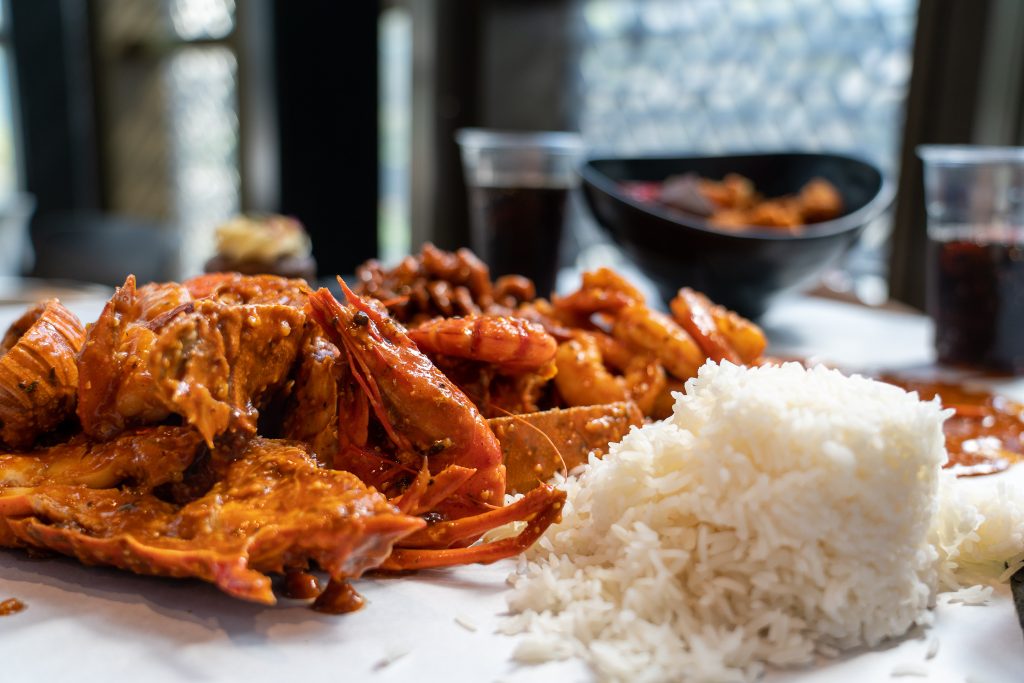
If you’ve ever wondered about the difference between rock lobster vs Maine lobster, you’re not alone! These two popular crustaceans might look similar on your plate, but they offer completely different dining experiences. Rock lobster (also called spiny lobster) brings a naturally sweeter, firmer bite compared to the classic Maine lobster most Aussies know from fancy restaurants.
Whether you’re planning a seafood feast with mates or curious about what to expect when you see “rock lobster” on a menu, understanding these differences helps you order with confidence. The texture, flavour, and even the way you crack into them can vary dramatically between species. Let’s dive into what makes each type special and how to get the most from your next lobster experience! 🦐
What Is Rock Lobster and How Does It Compare to Other Types
Rock lobster and spiny lobster are actually the same creature – just different names used around the world. This clarifies a lot of confusion for diners who might encounter both terms on menus or travel blogs. Unlike Maine lobster, rock lobsters lack the massive, meaty claws that make their cold-water cousins famous.
Where Do These Different Lobster Types Come From
The key difference lies in their habitat. Rock lobsters thrive in warmer waters around Australia, the Caribbean, and Mediterranean regions, while Maine lobsters prefer the chilly North Atlantic. This temperature difference dramatically affects their flavour profile and meat texture.
Maine lobsters develop in cold waters that keep their meat tender and naturally sweet. Rock lobsters, living in warmer environments, develop a brinier, more oceanic taste that many describe as intensely flavourful. The warm water also contributes to their firmer, chewier texture.
Physical differences you’ll notice immediately include the rock lobster’s prominent spiny antennae and lack of large claws. Instead of cracking into meaty claws, you’ll focus on the tail meat, which makes up the bulk of the eating experience.
How Does Rock Lobster Taste Compared to Maine Lobster
Rock lobster delivers a naturally sweeter flavour than traditional Maine lobster, with a more pronounced ocean taste. Many first-time eaters describe it as intensely seafood-forward – you definitely know you’re eating something straight from the sea! The sweetness comes through clearly, but it’s balanced by that characteristic briny depth.
What Texture Should You Expect
The texture sets rock lobster apart most dramatically. Where Maine lobster meat tends to be tender and almost buttery, rock lobster offers a firmer, more substantial bite. It’s chewier than its cold-water cousin, which some diners love for the satisfying, meaty experience.
- Firmness – More resistant to the tooth, requiring proper chewing
- Density – Feels more substantial and filling per bite
- Moisture – Less juicy than Maine lobster, but still succulent when cooked properly
- Grain – Slightly coarser meat structure that holds up well to bold sauces
This firmer texture actually works beautifully with spicy, flavourful preparations. The meat won’t fall apart under robust seasonings and holds its own against garlic, chilli, and butter-heavy sauces.

Which Parts of Rock Lobster Can You Actually Eat
Unlike Maine lobster where the claws provide substantial meat, rock lobster focuses your attention entirely on the tail. This isn’t necessarily a disadvantage – rock lobster tails are typically larger and meatier than you might expect.
Getting the Most Meat from Your Rock Lobster
The tail contains the prime eating, but don’t overlook other parts. Small amounts of meat hide in the body cavity and leg joints, though nothing compared to Maine lobster claws. The head and body also contribute flavour to broths and sauces, even if they don’t offer much eating meat.
| Lobster Part | Rock Lobster | Maine Lobster
|
|---|---|---|
| Tail Meat | Primary source – large and meaty | Significant but often secondary to claws |
| Claw Meat | Minimal – tiny claws with little meat | Major attraction – sweet, tender chunks |
| Body/Leg Meat | Small amounts in joints | Moderate amounts, especially knuckles |
| Overall Yield | Concentrated in tail section | Distributed across claws and tail |
This concentration of meat in the tail makes rock lobster particularly satisfying for diners who prefer straightforward eating without lots of cracking and picking.
How Should Rock Lobster Be Prepared for Best Results
Rock lobster’s firmer texture means cooking technique matters more than with delicate Maine lobster. Proper preparation prevents the meat from becoming tough or rubbery, while highlighting its natural sweetness and ocean flavour.
What Cooking Methods Work Best
The key lies in not overcooking. Rock lobster can quickly go from perfectly tender to disappointingly chewy if left on heat too long. Gentle cooking methods that add moisture work particularly well.
- Steaming – Keeps meat moist while cooking evenly
- Poaching – Gentle heat prevents toughening
- Grilling – Quick high heat with careful timing
- Boiling – Traditional but requires precise timing
Bold, flavourful sauces complement rock lobster beautifully. The meat’s firmness and pronounced taste can handle garlic butter, spicy marinades, and herb-heavy preparations that might overwhelm delicate Maine lobster.
Why Some People Find Rock Lobster Disappointing
Expectations play a huge role in enjoyment. Diners expecting Maine lobster’s tender, sweet experience might find rock lobster surprisingly different. The chewier texture and brinier flavour can seem “wrong” if you’re anticipating something else entirely.
However, when approached on its own terms, rock lobster offers a completely satisfying experience. The key is understanding what you’re getting – a more substantial, ocean-forward eating experience rather than delicate sweetness.
When Should You Choose Rock Lobster Over Other Types
Rock lobster shines in specific situations where its unique characteristics become advantages rather than differences to overcome. Understanding these scenarios helps you appreciate what makes this variety special.
What Dining Situations Favour Rock Lobster
The robust flavour and firm texture make rock lobster ideal for social, hands-on dining experiences. It pairs beautifully with bold seasonings and messy, interactive eating styles where Maine lobster might feel too precious.
- Spicy preparations – Holds up to serious heat and bold spices
- Group dining – More affordable for feeding larger groups
- Casual atmosphere – Perfect for relaxed, fun dining rather than formal occasions
- Sauce-heavy dishes – Won’t be overwhelmed by garlic, butter, or chilli
The naturally sweeter profile also appeals to diners who want pronounced seafood flavour without extreme brininess. It splits the difference between mild fish and intensely oceanic shellfish.
How Does Value Compare Between Lobster Types
Rock lobster typically offers better value for groups and casual dining. While Maine lobster commands premium prices for its reputation and scarcity, rock lobster provides substantial, flavourful eating at more accessible price points.
The larger tail portions also mean more eating per creature, even without the claw meat. For diners focused on getting their money’s worth in terms of food volume and satisfaction, rock lobster often delivers better bang for buck.
What Should First-Time Rock Lobster Eaters Expect
Most first-time rock lobster eaters find the experience surprisingly enjoyable, especially when they know what to expect. The naturally sweet, firm meat offers a completely different but equally satisfying experience compared to Maine lobster.
How to Approach Your First Rock Lobster Experience
Come with an open mind rather than direct comparisons to Maine lobster. Think of it as trying a completely different seafood rather than a variation on something familiar. This mental shift helps you appreciate rock lobster’s unique qualities.
Start with milder preparations if you’re sensitive to strong seafood flavours, then work up to bolder seasonings as you develop a taste for the meat’s natural characteristics. The sweetness becomes more apparent as you adjust to the firmer texture.
Common first reactions include surprise at the chewier texture, appreciation for the intense flavour, and satisfaction with the substantial, filling nature of the meat. Most people find it more satisfying to eat than expected.
What About Dietary Considerations and Preferences
Rock lobster works well for various dietary approaches. Like all shellfish, it’s naturally high in protein and relatively low in calories. The firmer texture makes it more filling per serving than delicate seafood options.
For those avoiding dairy, rock lobster’s robust flavour pairs beautifully with olive oil, herbs, and citrus-based preparations. You don’t need heavy cream sauces to create a satisfying dish.
How to Get the Most from Your Next Lobster Experience
Whether you choose rock lobster or Maine lobster depends on what kind of experience you’re after. Both offer unique pleasures when prepared properly and eaten in the right context.
For casual, social dining with bold flavours and interactive eating, rock lobster delivers excellent value and satisfaction. The substantial texture and sweet-briny flavour create memorable meals without breaking the bank.
If you’re craving that classic, delicate lobster experience with tender claw meat and subtle sweetness, Maine lobster remains the gold standard. But don’t overlook rock lobster’s charms – it offers a completely different but equally rewarding way to enjoy premium seafood.
The next time you see rock lobster on a menu, you’ll know exactly what to expect. Sweet, firm, ocean-forward meat that holds up beautifully to bold preparations and delivers serious eating satisfaction. Give it a try – you might discover your new favourite way to enjoy lobster! 🦐🔥
Think you have what it takes to work at Kickin'Inn?
Fill out an expression of interest form here. We strive to respond to all applicants as promptly as possible. We look forward to hearing from you!