
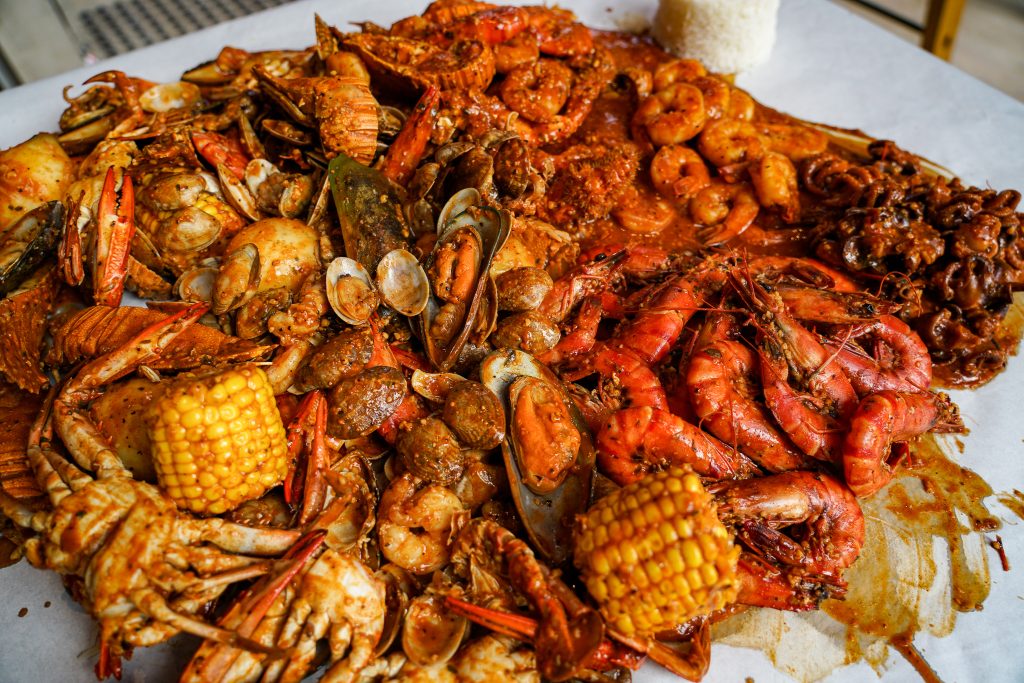
The magic of a great seafood boil lies not just in the fresh prawns, crab, and mussels, but in the bold, aromatic sauces and seasonings that transform these ingredients into an unforgettable feast. Whether you’re planning your first home seafood boil or looking to elevate your existing technique, understanding the fundamentals of seafood boil sauce will help you create restaurant-quality flavours in your own kitchen.

A proper seafood boil sauce combines rich butter, aromatic vegetables, and carefully balanced spices to create a coating that enhances rather than masks the natural sweetness of fresh seafood. The best sauces strike a perfect harmony between heat, richness, and brightness, creating layers of flavour that develop as you eat.
This guide will walk you through everything you need to know about creating exceptional seafood boil sauces, from understanding the essential base ingredients to mastering the techniques that make all the difference between good and extraordinary results.
What Makes a Great Seafood Boil Sauce
The foundation of any exceptional seafood boil sauce starts with understanding the four key flavour elements that must work in harmony. These components create the complex, satisfying taste that makes each bite memorable.
What Are the Essential Flavour Components
Every outstanding seafood boil sauce balances fat, salt, acid, and heat in precise proportions. Professional recipes consistently demonstrate that this balance is crucial for exceptional results. Fat, typically from butter, provides richness and helps carry other flavours throughout the dish. Salt enhances natural seafood sweetness and comes from seasoning blends and the cooking liquid itself.
Acid, usually from fresh lemon juice, cuts through richness and brightens the overall flavour profile. Heat, delivered through various peppers and spices, adds excitement without overwhelming the delicate seafood flavours. When these elements work together properly, they create a sauce that complements rather than competes with your seafood.
Why Butter Forms the Perfect Base
Butter serves as more than just a fat source in seafood boil sauces. Its creamy texture helps bind all the seasonings together while providing a luxurious mouthfeel that coats seafood perfectly. Research shows that butter maintains its consistency even as it cools slightly during eating, which is why culinary experts recommend serving seafood boil sauce while still warm.
The rich dairy notes in butter also complement the natural brininess of seafood without masking subtle flavours. This makes butter particularly effective for showcasing premium ingredients like fresh crab and prawns, where you want the sauce to enhance rather than overpower.
Which Key Seasonings Create Authentic Cajun Flavours
Understanding individual seasonings helps you build complex, layered flavours that define exceptional seafood boil sauces. Each spice serves a specific purpose in creating the bold, satisfying taste profile that makes these dishes so memorable.
How Do Traditional Cajun Seasonings Work Together
The cornerstone of authentic seafood boil flavours comes from carefully blended Cajun seasonings that typically include paprika, cayenne pepper, garlic powder, onion powder, oregano, and thyme. Traditional recipes confirm that these spices work synergistically to create warmth, depth, and complexity without any single element dominating.
Paprika provides smoky sweetness and the characteristic reddish colour, while cayenne delivers clean heat that builds gradually. Studies of capsaicin absorption show how cayenne’s heat develops over time rather than hitting immediately. The herb components add earthy undertones that balance the intensity of the peppers. Many experienced cooks adjust these proportions based on their heat tolerance and preferred flavour intensity.
What Role Does Old Bay Seasoning Play
Old Bay seasoning brings a distinctive blend that includes celery seed, mustard seed, and red pepper flakes, creating a unique flavour profile that many consider essential for seafood applications. However, ingredient analyses show that commercial formulations vary, with some using cayenne pepper instead of red pepper flakes. Its complex mixture of spices adds layers that complement the Cajun elements without competing.
The celery seed component provides a subtle bitterness that balances richness, while the mustard seed adds a gentle pungency that enhances overall depth. This seasoning blend works particularly well when combined with other spice mixtures rather than used alone.
How Do You Build Flavour Through Proper Technique
The difference between good and exceptional seafood boil sauce often comes down to preparation technique rather than just ingredient selection. Small details in how you handle aromatics and layer flavours make enormous differences in the final result.
Why Is Properly Preparing Aromatics So Important
Finely dicing onions and garlic maximises their flavour contribution by increasing surface area and ensuring even distribution throughout the sauce. Professional culinary guidance confirms that proper knife work prevents pockets of intense flavour rather than the smooth, integrated taste you want.
The size of your dice affects how quickly these ingredients release their flavours during cooking. Finer pieces cook more quickly and integrate more completely, while larger pieces may remain distinct and potentially overpowering. Taking time to prepare these elements properly creates the foundation for superior sauce development.
What Cooking Order Produces the Best Results
Building flavour in stages ensures each component reaches its full potential without overcooking delicate elements. Start by sautéing aromatics in butter until fragrant, then add dry seasonings to bloom their flavours before introducing liquid components.
- Begin with butter in a heavy-bottomed pan over medium heat
- Add finely diced onions and cook until translucent
- Incorporate minced garlic and cook just until fragrant
- Stir in dry seasonings and cook for 30 seconds to release their oils
- Add any liquid components like stock or wine
- Finish with acid and fresh herbs after removing from heat
This sequence allows each ingredient to contribute its maximum flavour while preventing burning or overcooking of delicate elements like garlic and fresh herbs.
What Variations Allow for Personal Customisation
Creating your perfect seafood boil sauce involves understanding how different adjustments affect the final flavour profile. Small changes in ingredients or proportions can dramatically alter the character of your sauce to match your preferences.
How Can You Adjust Heat Levels Effectively
Heat customisation goes beyond simply adding more or less cayenne pepper. Different types of heat sources create varying flavour profiles, from the clean burn of cayenne to the smoky complexity of chipotle powder or the bright heat of fresh red pepper flakes. Culinary research demonstrates that each pepper variety offers distinct characteristics beyond just heat level.
For mild heat preferences, reduce cayenne and rely more on paprika for flavour and colour. For increased intensity, layer different heat sources rather than simply doubling one component. This creates more interesting, complex heat that builds gradually rather than hitting immediately.
What Thickness Adjustments Work Best for Different Applications
Sauce consistency affects both flavour delivery and practical eating experience. While the evidence on optimal thickness for specific seafood types is still emerging, experienced cooks generally find that thicker sauces coat seafood more completely but can feel heavy, while thinner preparations provide lighter coverage but may not deliver enough flavour impact.
| Consistency | Best Applications | Adjustment Method |
|---|---|---|
| Thick coating | Shell-on prawns, whole crab | Reduce liquid, add more butter |
| Medium coating | Mixed seafood bags, mussels | Balance butter and stock equally |
| Light drizzle | Delicate fish, dipping sauce | Increase stock or add white wine |
How Do Finishing Touches Elevate Your Sauce
The final moments of sauce preparation offer opportunities to add brightness, freshness, and complexity that distinguish exceptional results from merely good ones. These finishing elements should be added after cooking to preserve their distinct characteristics.
Why Does Fresh Acid Make Such a Difference
Adding fresh lemon juice at the end of cooking provides bright acidity that cuts through richness and enhances the natural sweetness of seafood. Industry experts recommend this timing because fresh citrus maintains its vibrant character and prevents the sauce from feeling heavy or one-dimensional. While some debate exists about whether cooked citrus creates bitterness, the consensus favours fresh additions for optimal brightness.
The timing of acid addition matters significantly. Lemon juice added during cooking can lose its bright qualities, while fresh juice stirred in just before serving maintains its intended flavour impact. Start with small amounts and adjust to taste, as seafood dishes typically need less acid than you might expect.
What Fresh Herbs Contribute to the Final Profile
Fresh parsley added at the end provides colour, mild freshness, and a clean finish that balances the rich, spicy elements in the sauce. Unlike dried herbs that need cooking time to release their flavours, fresh parsley should be stirred in just before serving to maintain its bright character.
Other fresh herbs like chives or green onion tops can provide similar benefits with slightly different flavour contributions. The key is using herbs that complement rather than compete with the existing spice profile while adding visual appeal and fresh contrast.
What Are Smart Strategies for Making Sauce Ahead
Preparing seafood boil sauce in advance can save time during busy cooking sessions while allowing flavours to develop and meld. However, certain considerations ensure your make-ahead sauce maintains its intended quality and character.
How Long Can You Store Prepared Sauce
Properly stored seafood boil sauce maintains quality for up to three days in the refrigerator when kept in airtight containers. Food safety guidelines confirm this timeframe for butter-based sauces. The butter base means the sauce will solidify when chilled, but gentle reheating restores its proper consistency without affecting flavour.
For longer storage, portions can be frozen for up to three months, though the texture may change slightly upon thawing. While research on optimal timing is limited, experienced cooks suggest that fresh herbs and acid should be added after reheating rather than before storage to maintain their intended impact.
What Reheating Methods Preserve Quality Best
Gentle reheating prevents separation and maintains the sauce’s smooth, cohesive texture. Professional reheating guidance emphasises using low heat and stirring frequently, adding small amounts of stock or white wine if the consistency becomes too thick during reheating.
- Use low heat settings to prevent butter separation
- Stir frequently during reheating process
- Add liquid gradually if sauce becomes too thick
- Taste and adjust seasonings after reheating
- Add fresh herbs and acid after reaching serving temperature
How Can You Maximise Sauce Versatility
A well-made seafood boil sauce serves multiple purposes beyond its primary application, extending its value and reducing waste. Understanding these alternative uses helps you get maximum benefit from your sauce preparation efforts.
What Other Applications Work Well for Leftover Sauce
Leftover seafood boil sauce makes an excellent dipping sauce for crusty bread, roasted vegetables, or grilled proteins. The rich, spicy flavours complement a wide range of foods beyond seafood, making it a versatile condiment for various meals.
The sauce also works well as a flavour base for pasta dishes, rice preparations, or as a finishing sauce for grilled chicken or pork. These alternative applications help ensure no delicious sauce goes to waste while expanding your meal options.
Which Modifications Adapt the Sauce for Different Dishes
Simple adjustments transform seafood boil sauce for various applications without requiring completely new preparations. Thinning with stock creates a pasta sauce, while reducing creates a concentrated flavour base for other dishes.
Adding cream creates a milder version suitable for those who prefer less intense heat, while incorporating white wine creates a more refined preparation appropriate for elegant presentations. These modifications maintain the core flavour profile while adapting to different contexts and preferences.
What the Research Says About Seafood Boil Sauces
Understanding the science behind great seafood boil sauces helps create consistently excellent results:
- Multiple recipe analyses confirm that the most successful sauces consistently balance fat, salt, acid, and heat components
- Proper storage techniques allow butter-based sauces to maintain quality for 3-4 days when refrigerated in airtight containers
- Different chilli varieties create distinct heat profiles, with cayenne providing immediate intensity while chipotle offers smoky complexity
- The evidence on optimal sauce thickness for different seafood types is still emerging, with preferences varying based on cooking method and presentation style
- Traditional Cajun seasoning blends show remarkable consistency across regions, though exact proportions may vary by cook and occasion
What Should You Do Next to Perfect Your Sauce
Creating exceptional seafood boil sauce requires practice and attention to detail, but the results justify the effort. Start with high-quality ingredients, follow proper technique, and adjust seasonings gradually to develop your preferred flavour profile.
Remember that great sauce begins with fresh, properly prepared aromatics and builds through careful layering of flavours. Take time to taste and adjust throughout the cooking process, and don’t skip the finishing touches that elevate good sauce to exceptional levels.
The most important factor in developing your sauce-making skills is consistent practice with quality ingredients. Each batch teaches you more about how flavours develop and interact, helping you create increasingly sophisticated and satisfying results that will impress family and friends alike.
Key Takeaways for Seafood Boil Sauce Success
Mastering seafood boil sauce requires understanding the balance between richness, spice, and brightness that makes these preparations so satisfying. Focus on proper technique with aromatics, layer your seasonings thoughtfully, and finish with fresh elements that provide contrast and complexity.
The difference between good and exceptional sauce often lies in small details such as properly dicing aromatics, blooming spices correctly, and adding acid and herbs at the right moment. These techniques, combined with quality ingredients and careful seasoning adjustment, create the bold, satisfying flavours that define great seafood boil experiences.
With practice and attention to these fundamentals, you’ll develop the skills and confidence to create restaurant-quality seafood boil sauces that enhance your fresh seafood and create memorable dining experiences for everyone at your table.
Think you have what it takes to work at Kickin'Inn?
Fill out an expression of interest form here. We strive to respond to all applicants as promptly as possible. We look forward to hearing from you!


