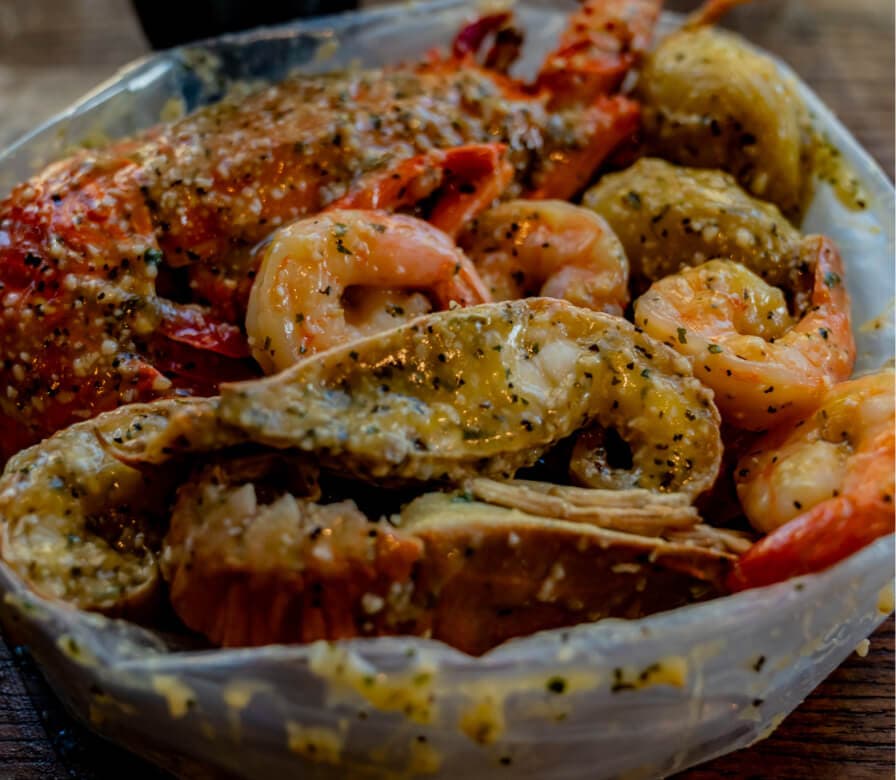
There’s something magical about cracking into a fresh crab leg or peeling prawns with your bare hands that makes the entire experience more satisfying. While proper table manners might suggest otherwise, eating seafood with your hands isn’t just acceptable – it’s often the best way to unlock maximum flavour and enjoyment from your meal.
Many diners have discovered that hands-on eating transforms seafood from a simple meal into a truly immersive sensory experience. When you engage directly with your food, you’re not just feeding your body – you’re awakening taste buds, enhancing aromas, and connecting with centuries-old culinary traditions that celebrate the tactile pleasure of fresh seafood.

Understanding why this approach works so well can help you appreciate your next seafood feast on a completely new level, whether you’re enjoying a casual meal at home or diving into a proper seafood boil experience.
What Makes Hand-Eating Seafood More Flavourful
The science behind enhanced flavour when eating seafood with your hands comes down to how our senses work together. When you crack shells and peel prawns manually, you’re releasing aromatic compounds that would otherwise remain trapped. These volatile oils and essences hit your nose directly, priming your taste buds for maximum impact.
How Touch Enhances Your Taste Experience
Your hands contain thousands of nerve endings that send signals to your brain about texture, temperature, and even subtle chemical compounds. This sensory information doesn’t just tell you about the food’s physical properties – it actually influences how your brain processes flavour.
Research shows that tactile sensations can enhance our perception of taste and make food more desirable, particularly when we’re fully engaged with the eating experience. When you feel the firm snap of fresh crab meat or the tender give of perfectly cooked prawns, your brain interprets these signals as indicators of quality and freshness, making the food taste better than it would if eaten with utensils alone.
Why Shell-On Seafood Retains Better Flavour
Many restaurants and home cooks leave shells on seafood during cooking because shells act as natural flavour vessels. Cooking prawns with shells intact develops more nuanced and profound flavours, though the evidence on exactly how shells infuse marine essences is still emerging. However, the key insight here is timing – while shells add flavour during cooking, they can create practical challenges when left on during eating.
Smart preparation involves extracting maximum flavour from shells during cooking, then removing them strategically to create the perfect balance between taste and eating convenience. This approach gives you the best of both worlds – enhanced flavour without the frustration of wrestling with inedible components.
Which Seafood Types Work Best for Hand-Eating
Not all seafood dishes are created equal when it comes to hands-on eating. Understanding which types work best helps you choose appropriate dining situations and set proper expectations.
Ideal Candidates for Hand-Eating
- Crab legs and whole crabs – The shell-cracking process is part of the experience
- Large prawns and langoustines – Easy to peel and naturally designed for finger food
- Crawfish and yabbies – Traditional communal eating that encourages hands-on approach
- Mussels and pipis – Shells serve as natural utensils for scooping
- Oysters – Direct consumption enhances the oceanic experience
Evidence from seafood dining traditions shows strong support for hands-on eating with crab, crawfish, and large prawns, especially in seafood boils where the messy, communal nature encourages tactile engagement with the food.
When Utensils Make More Sense
Certain seafood preparations work better with traditional cutlery, particularly when the dish design conflicts with hand-eating practicalities. Dishes with heavy sauces, delicate fish preparations, or seafood incorporated into pasta or rice dishes often benefit from fork and knife approach, though the research on this is still developing.
The key consideration is whether the dish was designed with hand-eating in mind. Traditional seafood boils, for example, are specifically created to encourage tactile interaction, while refined fish preparations may lose their intended presentation and eating experience when approached with fingers.
| Seafood Type | Hand-Eating Suitability | Key Benefits | Considerations |
|---|---|---|---|
| Crab legs | Excellent | Natural cracking action, enhanced aroma release | Requires nutcrackers and finger bowls |
| Large prawns | Very good | Easy peeling, satisfying texture feedback | Remove heads and tails for saucy dishes |
| Small shrimp in pasta | Poor | Limited benefits | Shells disrupt eating flow, create mess |
| Whole fish | Variable | Traditional in many cultures | Requires skill to avoid bones |
How Cultural Context Shapes Seafood Eating Traditions
Hand-eating seafood isn’t just about flavour enhancement – it’s deeply rooted in cultural traditions that span continents and centuries. Understanding these contexts helps explain why the practice feels so natural and satisfying to many diners.
Traditional Approaches Around the World
Many coastal cultures developed hand-eating traditions, though the exact reasons are still being studied by food historians. Fishermen and their families needed efficient ways to process and consume fresh catches without elaborate preparation or serving tools. These methods evolved into celebrated culinary traditions that emphasise the connection between diner and food.
Louisiana’s crawfish boils are well-documented examples of communal, hands-on eating traditions, while Spanish mariscos feasts and Australian seafood gatherings also share common elements – though research on these specific traditions is still emerging. These experiences recognise that seafood’s natural presentation often provides the best eating experience.
Why Modern Dining Sometimes Conflicts
Contemporary restaurant service sometimes creates tension between traditional eating methods and modern expectations. When establishments serve shell-on seafood in contexts that weren’t designed for hand-eating – such as formal pasta dishes or delicate preparations – diners face practical challenges that can detract from enjoyment.
The solution isn’t abandoning hand-eating traditions, but rather choosing appropriate contexts and preparations that honour both the food’s natural qualities and the dining situation’s practical requirements.
What Practical Challenges Should You Expect
While hand-eating seafood offers numerous benefits, it’s important to understand and prepare for the practical considerations that come with this approach.
Managing the Mess Factor
Hands-on seafood eating inevitably involves some mess, but proper preparation minimises inconvenience while maximising enjoyment. Professional seafood establishments provide finger bowls, wet towels, and protective bibs for good reason – these tools are essential parts of the experience, not afterthoughts.
Multiple seafood etiquette guides acknowledge that shell-on seafood can be challenging and messy, particularly in formal dining settings. The key is embracing the tactile nature while maintaining reasonable cleanliness standards. This means having proper cleanup materials readily available and accepting that some degree of messiness is part of the authentic experience.
Dealing With Inappropriate Shell-On Presentations
Sometimes you’ll encounter seafood served with shells or tails in contexts where hand-eating isn’t practical. When faced with shell-on shrimp in a creamy pasta or tails-on prawns in a delicate sauce, you have several options for managing the situation gracefully.
- Use knife and fork to remove shells before eating
- Extract the meat cleanly at the beginning of the meal
- Request shell-free preparation when ordering
- Choose dishes specifically designed for shell-on presentation
When Deep-Fried Shells Become Edible
Some cooking methods, particularly deep-frying, can make certain shells and tails edible and flavourful. Deep-frying shrimp heads and shells creates a golden, crunchy texture that many find appealing, often compared to seafood chips. However, this isn’t universally accepted or enjoyable for all diners.
If you’re uncertain about shell edibility, observe the cooking method and ask your server. Deep-fried preparations often make shells crispy and palatable, while steamed or boiled shells typically remain inedible regardless of their flavour contribution during cooking.
How to Maximise Your Hand-Eating Seafood Experience
Getting the most from hands-on seafood eating requires some preparation and technique. These practical approaches help you enjoy the sensory benefits while managing the practical challenges effectively.
Essential Preparation Steps
Before diving into a hands-on seafood meal, set yourself up for success with proper preparation. Remove jewellery that might get messy or damaged, tie back long hair, and wear clothing that can handle potential splashes. Many experienced seafood enthusiasts keep dedicated “seafood clothes” for these occasions.
Ensure you have adequate cleanup materials within reach – finger bowls with warm water and lemon, plenty of napkins or paper towels, and wet wipes for thorough hand cleaning. Having these items readily available lets you focus on enjoying the food rather than worrying about the mess.
Techniques for Different Seafood Types
Each type of seafood benefits from specific hand-eating techniques that maximise flavour while minimising frustration. For crab legs, crack them systematically from thick to thin sections, using the broken shell pieces as tools to extract meat from smaller crevices.
When peeling prawns, start from the belly side where the shell naturally separates, leaving the tail as a convenient handle if the preparation allows. For mussels and similar shellfish, use the first empty shell as a utensil to scoop meat from subsequent shells – this traditional technique is both practical and flavour-preserving.
Learning to properly crack and eat lobster can transform what might seem like a challenging meal into an enjoyable and satisfying experience that showcases the natural sweetness of the meat.
What Health and Safety Considerations Matter
Hand-eating seafood requires attention to hygiene and food safety practices that differ somewhat from traditional utensil-based dining. Understanding these considerations helps you enjoy the experience safely and confidently.
Hygiene Best Practices
Thorough hand washing before and after eating is essential, but the process requires more attention than typical meals. Food safety guidelines emphasise using warm, soapy water for proper hand hygiene when handling seafood, though specific recommendations about scrubbing under fingernails aren’t universally specified in the research. Many establishments provide specialised hand-cleaning stations or finger bowls with antibacterial solutions for this purpose.
Avoid touching your face, hair, or other surfaces during the meal, and consider using disposable gloves if you have concerns about direct contact with shells or have sensitive skin. Some diners find that thin, food-safe gloves provide protection while maintaining tactile feedback.
Recognising Fresh Versus Questionable Seafood
When eating with your hands, you’re in direct contact with the seafood, giving you opportunities to assess quality and freshness through touch, smell, and visual inspection. Fresh seafood should have firm texture, clean ocean smell, and bright appearance without any slimy or off-putting characteristics, according to seafood quality experts.
Trust your senses – if something feels, smells, or looks questionable during the hands-on eating process, don’t consume it. While experts agree that sensory assessment is valuable for determining freshness, the evidence is still emerging on whether hand-eating provides better quality assessment opportunities than eating with utensils.
Understanding the broader benefits of eating seafood can help you appreciate why the extra attention to freshness and quality is worthwhile for both flavour and nutrition.
Where to Experience Authentic Hand-Eating Seafood
Finding the right venue makes all the difference in enjoying hands-on seafood eating. The best experiences come from establishments that are specifically designed and equipped to support this style of dining.
What to Look for in Seafood Restaurants
Authentic seafood boil restaurants and similar establishments understand that hands-on eating is part of the experience, not an inconvenience. These venues provide proper table coverings, abundant napkins, finger bowls, and cleanup stations. They also design their menu items specifically for hand-eating, ensuring that shells, seasonings, and preparations work together harmoniously.
Look for restaurants that embrace the communal, tactile nature of seafood dining rather than trying to impose formal dining conventions on inherently hands-on foods. The atmosphere should feel relaxed and welcoming to messy eating, with staff who understand and support the traditional approach.
Venues that focus on taste and experience rather than just food delivery tend to create environments where hands-on eating feels natural and enjoyable rather than awkward or inappropriate.
Making the Most of Your Visit
When you find a restaurant that supports authentic seafood eating, come prepared to fully engage with the experience. Arrive hungry and with realistic time expectations – hands-on seafood eating is meant to be leisurely and social, not rushed.
Consider bringing friends or family who share your enthusiasm for the experience. The communal aspect of seafood boils and similar meals is part of their traditional appeal, and the shared experience often enhances individual enjoyment.
Making a booking at a dedicated seafood boil restaurant ensures you’ll have the proper setup and atmosphere to fully appreciate why eating seafood with your hands creates such a memorable and flavourful dining experience.
What the Research Says About Hands-On Seafood Eating
While the tradition of eating seafood with your hands has been around for centuries, modern research is beginning to understand why this approach feels so natural and satisfying.
- Studies show that touching food directly can enhance sensory perception and make meals more desirable, particularly for people who enjoy tactile experiences
- Deep-frying transforms certain seafood shells into crispy, edible components that add textural variety to the dining experience
- Fresh seafood exhibits clear quality indicators – firm texture, clean ocean smell, and bright appearance – that can be assessed through multiple senses
- However, the evidence is mixed on whether shells truly act as “flavour vessels” that infuse marine essences into the meat during cooking
- We don’t yet have conclusive research on whether hand-eating provides significantly better freshness assessment compared to using utensils
- Cultural traditions around hands-on seafood eating are well-documented, though the specific practical reasons for their development are still being studied
Key Takeaways About Hand-Eating Seafood
The enhanced flavour and satisfaction that comes from eating seafood with your hands isn’t just psychological – it’s based on real sensory science and cultural wisdom developed over centuries. When done in appropriate contexts with proper preparation, hands-on seafood eating provides a more complete and satisfying culinary experience.
Remember that not every seafood dish is designed for hand-eating, and knowing when to use this approach versus traditional utensils is part of developing good food judgment. The best experiences come when the preparation, venue, and dining companions all align to support the tactile, communal nature of traditional seafood consumption.
Whether you’re cracking crab legs at a family gathering or diving into a spicy seafood boil with friends, embracing the hands-on approach can transform a simple meal into a memorable sensory adventure that connects you more deeply with the food, the tradition, and the people around your table.
Think you have what it takes to work at Kickin'Inn?
Fill out an expression of interest form here. We strive to respond to all applicants as promptly as possible. We look forward to hearing from you!