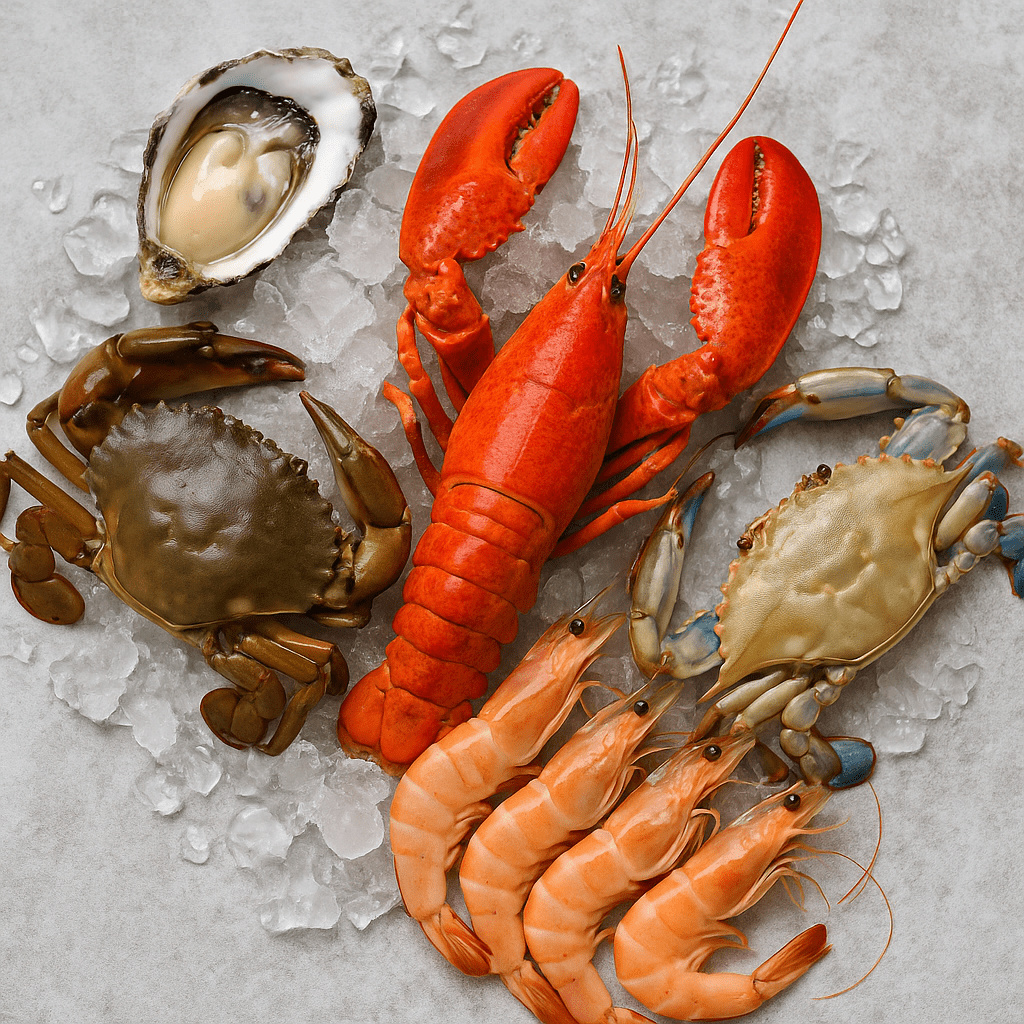
Ever bitten into a seafood dish and thought “Is this shellfish really fresh?”
As someone who lives and breathes seafood every day, freshness is my number one priority. After all, there’s nothing worse than serving something that’s past its prime—especially when our famous Kickin’Inn seafood feasts rely on vibrant flavours and top-notch quality. Today I’d love to share exactly how I check whether shellfish is fresh, so you can confidently enjoy seafood at its absolute best.
The First Whiff Never Lies
The eyes might be windows to the soul, but the nose is the true expert on freshness. Fresh shellfish should smell like the ocean. There’s no other way to put it. A subtle briny scent means you’ve got yourself a winner. If your shellfish smells overly strong, fishy or even remotely ammonia-like, it’s a no-go.
Trust me—I’ve learnt this the hard way. Even one questionable oyster or mussel can completely ruin the taste and quality of your dish. Shellfish is delicate, and taking the time to give it a quick sniff test will save you from disappointment later.
Give it the Visual Inspection
Next, take a good look. A vibrant appearance usually indicates freshness. Prawns should have shells that are shiny and firm, without any dark patches. Lobsters and crayfish should have bright-coloured shells without dullness or excessive blackening.
One handy trick I’ve come to rely on—especially when handling prawns or lobsters—is to glance at their eyes. Cloudy, sunken or dull eyes signal the shellfish has been out of water for a bit too long. Go for the ones with fresh-looking, clear eyes instead.
At Kickin’Inn, we source only the freshest ingredients like our popular Alaskan Snow Crab, because using quality seafood is non-negotiable. You deserve nothing less!
Give them a Healthy Tap
Let’s talk shellfish shells. When buying live shellfish like mussels or oysters (my personal favourites), shells should be tightly sealed. If they’re slightly open, give them a little tap. Fresh ones will close right back up promptly.
If they don’t respond at all, I don’t think twice—I discard them. Some might call this overly cautious, but your health and safety come first. Good shellfish is responsive shellfish. Period.
Freshness Means Firmness
I love handling seafood almost every day, and one thing I’ve observed is how freshness translates into firmness. Firm, elastic flesh is a beautiful signal of freshness, while soft, mushy meat indicates it’s on its way out. I’ve had conversations with fellow seafood lovers who weren’t sure about texture—and I completely understand the confusion. But trust me, fresh seafood feels firm and springs back when gently pressed.
Try it yourself next time you pick up prawns or crab legs for your next seafood feast. You’ll immediately notice the difference. This simple check guarantees that sensational freshness I am proud to deliver every time I serve seafood at Kickin’s Krackin Krabs.
Colour Matters More Than You Think
Throughout many discussions with seafood enthusiasts—including some online communities—I’ve gathered that many seafood lovers underestimate the importance of colour. Fresh prawns possess shells with consistent, vivid colours ranging from greyish-green to pinkish, without any darkening along the edges.
The tail should also show consistent shades of vibrant colour. Spots, discolouration, or unnatural blackening can be signs your shellfish is outdated. It’s an easy visual test you can conduct yourself next time you’re preparing seafood at home.
And speaking of preparing seafood at home—I’ve shared simple recipes and inspiration in our blog post on creating the Kickin’Vibe at home, perfect if you want to try fresh shellfish dishes yourself.
Storage Can Affect Freshness Drastically
Another key insight I’ve picked up over the years—and echoed by seafood professionals everywhere—is that properly stored shellfish maintains its freshness better. Always check whether shellfish is kept cold, preferably on ice or in refrigeration. If it’s sitting in room temperature or warm conditions, freshness is immediately compromised.
In my kitchens, prawns and crabs are always stored at optimum temperatures. If you’re ever in doubt about seafood storage and handling, resources from Better Health Channel or guidelines from NSW Food Authority offer useful Australian safety standards.
A Quick Word on Frozen Shellfish
Frozen doesn’t always equal fresher—but in Australia, sometimes it’s the best way to preserve quality for longer periods, especially with prawns and crawfish during low seasons. Frozen seafood can offer excellent quality, provided it’s properly stored and thawed gradually in the fridge rather than under warm water or in sunlight.
I’ve personally used frozen crawfish, especially as highlighted in our seasonal specials like Crawfish is Back at Kickin’Inn. When defrosted properly, they taste fantastic. Remember, freshness isn’t limited only to seafood kept fresh—it’s also about proper handling every step of the way.
Seafood Freshness Is Worth Every Effort!
Every seafood dish you enjoy at Kickin’Inn—from our renowned seafood cocktail to our mouth-watering crab and prawn mix—relies heavily on one thing above all else: freshness. I can’t stress enough the difference it makes in terms of taste, texture, and overall enjoyment.
If you have any questions about seafood freshness or want to experience genuinely fresh shellfish done right, feel free to get in touch. I’m always available through our contact page to talk seafood or help make your next Kickin’Inn seafood feast extraordinary.
Think you have what it takes to work at Kickin'Inn?
Fill out an expression of interest form here. We strive to respond to all applicants as promptly as possible. We look forward to hearing from you!