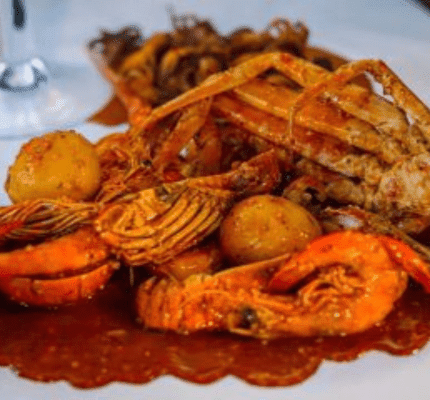
Finding the best seafood restaurant near me can transform an ordinary meal into an extraordinary culinary experience. Whether you’re celebrating a special occasion or simply craving fresh ocean flavours, the difference between a mediocre seafood meal and an exceptional one often comes down to knowing what to look for.
Great seafood restaurants share several key characteristics that set them apart from the rest. From sourcing practices to preparation methods, these establishments understand that seafood quality depends on multiple factors working together harmoniously. Understanding these elements will help you identify restaurants that consistently deliver outstanding seafood experiences.
The best seafood dining experiences combine exceptional ingredients, skilled preparation, and an understanding of how to let natural flavours shine. Let’s explore the essential qualities that distinguish truly excellent seafood establishments from the competition.
How Important Is Seafood Freshness And Sourcing
While freshness is incredibly important for exceptional seafood dining, it’s worth noting that proper handling and sustainable sourcing practices are equally crucial factors. The difference between seafood consumed within hours of being caught versus seafood that has travelled long distances becomes immediately apparent in both taste and texture. Research shows that fresh seafood offers superior firmness, natural sweetness, and a clean oceanic flavour without any fishy or unpleasant odours.
What Are The Signs Of Proper Sourcing Practices
Restaurants that prioritise quality often source their seafood from local vendors, markets, or trusted suppliers who understand proper handling. NOAA Fisheries recommends choosing knowledgeable, reputable dealers with a proven record of proper handling practices. This approach delivers a fundamentally different taste experience compared to standard commercial sourcing. When seafood comes directly from local fishermen or specialised markets, the improvement in flavour can be remarkable.
- Daily delivery schedules from trusted suppliers
- Relationships with local fishing operations
- Clear communication about catch dates and origins
- Seasonal menu adjustments based on availability
- Transparent information about sourcing practices
The best establishments often display their sourcing information prominently, whether through daily specials boards or staff knowledge. This transparency indicates confidence in their supply chain and commitment to quality.
How Can You Assess Freshness Before Ordering
Several indicators can help you evaluate freshness before committing to a meal. Industry standards indicate that fresh seafood should have bright, clear eyes in whole fish, firm flesh that springs back when pressed, and a clean ocean smell rather than any fishy odours. Live seafood displays, when properly maintained, often indicate serious commitment to freshness.
Staff knowledge also provides valuable insights. Servers and kitchen staff at quality establishments can typically tell you when specific items arrived, where they came from, and how they’re prepared. This level of detailed information usually indicates proper handling and storage practices throughout the supply chain.
What Preparation Methods Enhance Natural Seafood Flavours
The finest seafood restaurants understand that exceptional ingredients often require minimal intervention to shine. Evidence shows that simplicity in preparation frequently produces the most impressive results, allowing the seafood’s natural characteristics to take centre stage rather than being masked by heavy sauces or complex seasonings.
Which Cooking Techniques Preserve Quality Best
Simple preparation methods tend to highlight seafood quality most effectively. Grilling, steaming, and light searing preserve the natural texture and flavour while adding subtle enhancement. The best chefs understand how to apply just enough heat to achieve proper cooking without overcooking, which can quickly ruin even the finest ingredients.
| Cooking Method | Best For | Flavour Impact | Skill Required |
|---|---|---|---|
| Light Grilling | Firm fish, shellfish | Enhances natural taste | High |
| Steaming | Delicate fish, mussels | Preserves pure flavour | Medium |
| Raw Preparation | Sashimi-grade fish | Unmasked flavour | Very High |
| Poaching | White fish, salmon | Gentle, clean taste | Medium |
Raw preparations like sashimi or ceviche represent the ultimate test of seafood quality and restaurant skill. These dishes require absolute confidence in sourcing and handling, as there’s nowhere to hide inferior ingredients. Restaurants offering high-quality raw seafood typically maintain exceptional standards across their entire menu.
How Do Seasonings And Sauces Affect Quality
The best seafood restaurants use seasonings to enhance rather than mask natural flavours. Light touches of salt, herbs, citrus, or quality oils can elevate seafood without overwhelming its inherent characteristics. Heavy sauces or excessive seasoning often indicate attempts to cover inferior ingredients.
Quality establishments understand the balance between enhancement and preservation. They might offer signature preparations that showcase their culinary creativity, but these should still allow the seafood’s natural qualities to shine through. The seasoning should complement and amplify, never dominate.
What Role Does Location And Environment Play
Dining location can significantly impact the seafood experience, particularly when restaurants operate near their sourcing areas. Coastal establishments often enjoy advantages in both ingredient access and culinary expertise that comes from local seafood traditions.
How Does Geographic Location Affect Quality
Restaurants located near fishing communities or coastal areas frequently offer superior experiences due to proximity to fresh catches and established relationships with local suppliers. This geographical advantage often translates into shorter supply chains, fresher ingredients, and deeper understanding of local seafood varieties.
However, distance from the coast doesn’t automatically disqualify a restaurant. Urban establishments can excel by developing strong relationships with trusted suppliers and focusing on proper handling and storage. The key lies in understanding and working within logistical constraints while maintaining quality standards.
What Atmosphere Enhances The Seafood Experience
The dining environment can significantly enhance seafood enjoyment, though preferences vary among diners. Research suggests that visual aesthetics and natural settings influence taste perception and overall satisfaction. Some prefer elegant, refined settings that elevate the meal into a special occasion, while others enjoy casual, hands-on environments that emphasise the interactive nature of seafood dining.
- Clean, well-maintained facilities indicating proper food handling
- Appropriate lighting that allows proper food evaluation
- Comfortable seating arrangements for potentially messy meals
- Adequate ventilation to manage cooking odours
- Staff trained to assist with unfamiliar preparations
The atmosphere should match the style of seafood being served. Casual crab houses might embrace a fun, messy environment, while fine dining establishments focusing on delicate preparations might require more refined settings.
How Can You Evaluate Menu Quality And Variety
A restaurant’s menu reveals much about their approach to seafood and overall quality standards. The best establishments balance variety with focus, offering enough options to satisfy different preferences while maintaining expertise across their selections.
What Menu Characteristics Indicate Quality
Quality seafood restaurants typically feature seasonal menus that change based on availability and freshness. Industry practices show that many establishments use seasonal menus to ensure freshness and leverage peak availability. This flexibility demonstrates commitment to sourcing the best available ingredients rather than relying on frozen or preserved options year-round.
Menu descriptions should provide meaningful information about preparation methods, sourcing, or origins when relevant. Vague descriptions might indicate lack of knowledge or confidence in ingredients, while detailed explanations suggest transparency and expertise.
Which Variety Levels Work Best
The evidence is mixed regarding whether focused or diverse menus work best for seafood restaurants. Some successful establishments focus on doing fewer things exceptionally well rather than offering overwhelming variety, while others thrive by offering diverse seasonal options and creative preparations. A focused menu allows kitchen staff to perfect specific techniques and maintain consistent quality across all offerings.
However, some variety remains important to accommodate different tastes and dietary preferences. The key lies in thoughtful curation rather than extensive options. Quality establishments might offer signature dishes alongside rotating specials based on seasonal availability.
| Menu Type | Advantages | Potential Concerns | Best For |
|---|---|---|---|
| Focused Selection | Consistent quality, expertise | Limited options | Specialty establishments |
| Broad Variety | Wide appeal, choice | Quality inconsistency | Family restaurants |
| Seasonal Rotation | Peak freshness, flexibility | Unpredictable favourites | High-end dining |
| Signature Focus | Brand recognition, mastery | Repetitive for regulars | Chain establishments |
What Service Standards Should You Expect
Exceptional seafood service extends beyond basic hospitality to include specific knowledge and skills related to seafood preparation, handling, and enjoyment. Staff expertise can significantly enhance the dining experience by guiding selections and explaining preparations.
How Important Is Staff Knowledge
Knowledgeable staff can provide valuable guidance on selecting dishes based on personal preferences, preparation methods, and seasonal availability. Industry guidance emphasises that staff equipped with menu knowledge and understanding of ingredients can guide diners confidently and make recommendations. They should understand the differences between various seafood types, cooking methods, and flavour profiles to help diners make informed choices.
Quality establishments train their staff to answer questions about sourcing, preparation techniques, and recommendations for wine or side pairings. This expertise indicates serious commitment to the seafood dining experience and helps ensure customer satisfaction.
What Practical Service Elements Matter Most
Seafood dining often requires specific service accommodations that good restaurants anticipate and provide seamlessly. These might include proper utensils for shell removal, finger bowls, protective clothing for messy preparations, or assistance with unfamiliar dishes.
- Appropriate tools and utensils for different seafood types
- Timely service that prevents overcooking during delays
- Proper plate warming or cooling for temperature-sensitive dishes
- Clear communication about preparation times and special requirements
- Accommodation for allergies and dietary restrictions
How Do You Identify Value And Authenticity
Understanding value in seafood dining requires looking beyond simple price comparisons to consider quality, portion sizes, preparation complexity, and overall experience. The most expensive option isn’t always the best, nor is the cheapest necessarily poor quality.
What Pricing Patterns Indicate Fair Value
Seafood pricing should reflect market realities, seasonal availability, and preparation complexity. Industry experts confirm that pricing is heavily influenced by supply constraints, quotas, and seasonal availability. Restaurants offering consistently low prices on premium seafood might be cutting corners on quality or sourcing. Conversely, extremely high prices should correspond to exceptional quality, unique preparations, or premium locations.
Quality establishments often adjust prices seasonally based on availability and market conditions. This flexibility indicates responsive sourcing practices and commitment to maintaining standards regardless of supply challenges.
How Can You Recognise Authentic Expertise
Authentic seafood expertise reveals itself through consistent execution, appropriate techniques, and understanding of how different seafood types respond to various preparations. Restaurants with genuine expertise typically avoid common mistakes like overcooking delicate fish or underseasoning shellfish.
The difference between authentic expertise and superficial knowledge becomes apparent in details such as proper timing, temperature control, and understanding of how different seafood varieties require different approaches. Genuine expertise results in consistently excellent outcomes rather than occasional successes.
What the Research Says About Seafood Quality
Current evidence provides valuable insights into what truly matters for exceptional seafood dining experiences:
- Fresh seafood consumed within hours of being caught shows significantly superior firmness, natural sweetness, and clean oceanic flavours compared to long-distance transported alternatives
- Simple preparation methods like grilling, steaming, and light searing consistently preserve seafood’s natural quality and moisture better than complex preparations
- Raw seafood preparations require strict sourcing from reliable suppliers and meticulous handling practices, including proper temperature control and commercial freezing to eliminate parasites
- The dining environment, including visual aesthetics and natural settings, genuinely influences taste perception and overall satisfaction
- While freshness is crucial, experts note that other factors like sustainable sourcing and proper handling practices are equally important for exceptional dining
- The evidence on menu variety is mixed – some establishments succeed with focused specialties while others thrive with diverse, seasonal offerings
What Should You Do Next To Find Quality Seafood Dining
Armed with knowledge about quality indicators, you can now approach seafood restaurant selection with confidence. Start by researching establishments in your area that emphasise fresh sourcing, simple preparations, and knowledgeable service.
Consider visiting during peak times when turnover ensures maximum freshness, and don’t hesitate to ask staff about sourcing, preparation methods, and recommendations. Quality establishments welcome these conversations as opportunities to showcase their expertise and commitment.
How Can You Make The Most Of Your Experience
Approach seafood dining as an opportunity to explore new flavours and preparations while supporting establishments that prioritise quality and sustainability. Be willing to try seasonal specials and trust recommendations from knowledgeable staff who understand their ingredients and preparations.
Remember that exceptional seafood dining often involves some element of adventure, whether trying unfamiliar species, experiencing new preparation methods, or embracing the hands-on nature of certain dishes. The best seafood restaurants create environments where this exploration feels comfortable and rewarding.
Key Takeaways For Seafood Restaurant Selection
Finding exceptional seafood dining requires understanding the fundamental elements that distinguish quality establishments from average ones. While freshness remains incredibly important, it works alongside proper sourcing practices, skilled preparation, and knowledgeable service to create outstanding experiences.
The best seafood restaurants balance simplicity with expertise, allowing natural flavours to shine while demonstrating mastery of technique. They maintain transparent relationships with suppliers, adapt to seasonal availability, and create environments that enhance the seafood dining experience.
By focusing on these quality indicators rather than superficial factors, you can consistently identify restaurants that deliver memorable seafood experiences worth both your time and investment.
Think you have what it takes to work at Kickin'Inn?
Fill out an expression of interest form here. We strive to respond to all applicants as promptly as possible. We look forward to hearing from you!