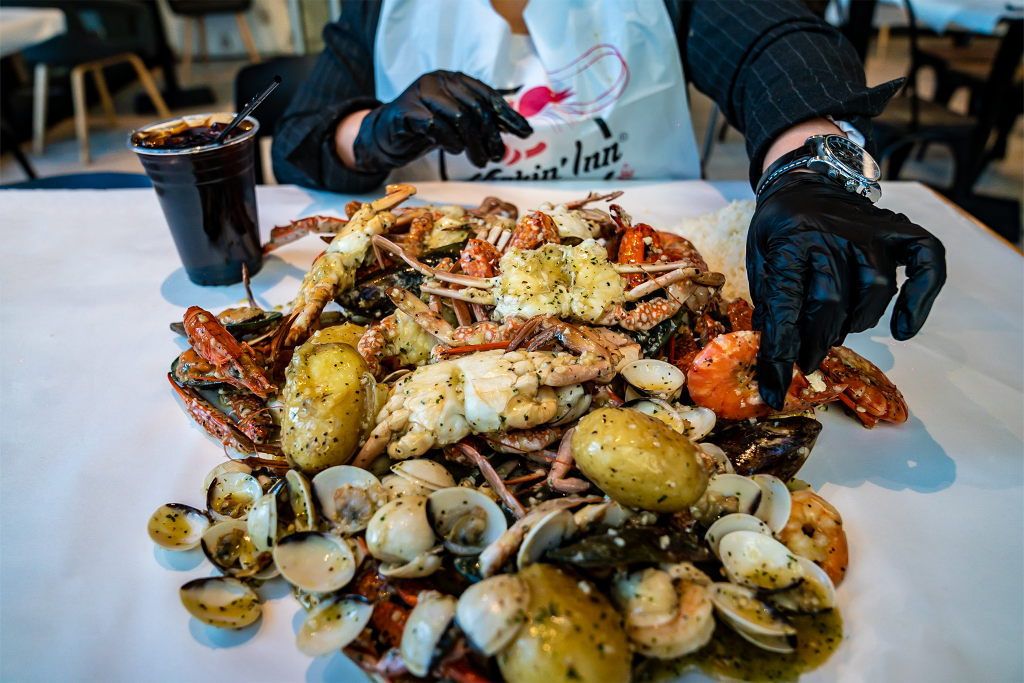
When you’re exploring Louisiana’s famous seafood scene, you’ll quickly encounter two distinct culinary traditions that often get confused – Cajun vs Creole seafood. While both styles share Louisiana roots and a love for bold flavours, they offer surprisingly different taste experiences that can dramatically change your dining expectations.
Understanding these differences isn’t just about culinary trivia. Whether you’re planning a meal, choosing a restaurant dish, or trying to recreate authentic flavours at home, knowing what distinguishes Cajun from Creole seafood will help you make more informed choices and set the right flavour expectations.

The key differences lie in ingredients, seasoning approaches, cultural origins, and cooking techniques. Each tradition reflects distinct historical influences and regional resources, creating two vibrant but separate approaches to preparing seafood that have evolved over centuries in Louisiana’s unique cultural landscape.
What Makes Creole Seafood Distinctive
Creole seafood cuisine stands out for its sophisticated, layered approach to flavour building. Research from culinary historians confirms that the most recognisable marker of Creole cooking is the frequent use of tomatoes, which rarely appear in traditional Cajun dishes. This simple ingredient distinction creates a fundamentally different flavour foundation that influences everything from gumbo to jambalaya.
How Do Creole Seasonings Create Unique Flavours
Creole seasoning profiles traditionally emphasise herbs alongside spices, creating complex aromatic layers that complement rather than overwhelm seafood’s natural flavours. However, modern Creole seasoning blends show that the balance between herbs and heat sources can vary significantly. The characteristic herb blend may include:
- Thyme – adds earthy, slightly minty undertones
- Oregano – provides Mediterranean-inspired depth
- Bay leaves – contribute subtle warmth and complexity
- Parsley – brightens the overall flavour profile
This herb-forward approach reflects Creole cuisine’s urban sophistication and international influences. The seasonings work to enhance rather than mask seafood flavours, creating dishes where you can still taste the distinctive character of prawns, oysters, or fish alongside the aromatic seasoning blend.
Which Seafood Types Are Most Common in Creole Cooking
Creole cuisine traditionally favours saltwater seafood, reflecting New Orleans’ position as a major Gulf Coast port city. Studies of Louisiana Creole cuisine show that access to fresh Gulf seafood directly shaped the cuisine’s development. The most frequently featured seafood includes:
- Gulf prawns and large shrimp
- Fresh and smoked oysters
- Red snapper and other Gulf fish
- Blue crab and soft-shell crab
- Crawfish (though less central than in Cajun cooking)
The urban location and port access meant Creole cooks had consistent access to fresh saltwater catches, influencing both ingredient availability and cooking techniques that preserve and showcase these premium seafood options.
What Defines Cajun Seafood Character
Cajun seafood represents a more rustic, resource-conscious approach to cooking that developed in Louisiana’s rural areas. This tradition emphasises bold, straightforward flavours built around readily available local ingredients and practical cooking methods that maximise both flavour and nutrition from every ingredient.
How Do Cajun Spice Profiles Differ From Creole
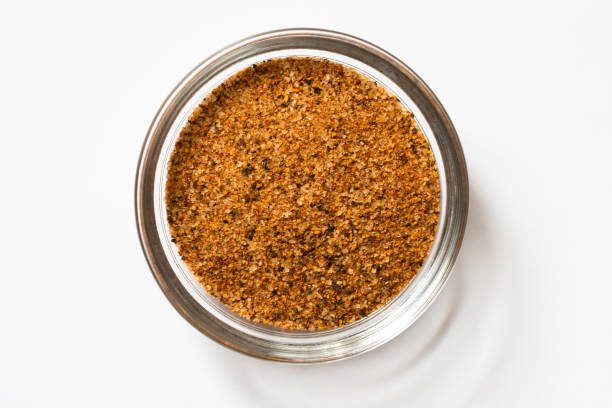
Cajun seasoning takes a pepper-forward approach that creates immediate, warming heat rather than subtle complexity. Traditional Cajun seasoning recipes consistently feature these spice components as their foundation. The classic Cajun spice foundation includes:
- Cayenne pepper – provides the signature heat level
- Black pepper – adds sharp, earthy spice
- White pepper – contributes clean, penetrating heat
- Paprika – delivers colour and mild sweetness
- Garlic powder – adds savoury depth
This spice blend creates the bold, warming sensation that Cajun seafood is famous for. Research shows that Cajun seasonings produce more intense heat than Creole blends, though both styles are designed to enhance rather than overwhelm the seafood’s natural flavours.
Which Ingredients Shape Traditional Cajun Seafood Dishes
Cajun cooking developed around freshwater and locally available resources, creating a distinctive ingredient profile that differs markedly from Creole traditions. However, modern evidence suggests the relationship with freshwater sources may be more complex than traditionally understood. Key characteristics include:
- Heavy reliance on crawfish and available local catches
- Minimal or no tomato use
- Emphasis on rice as a base and extender
- Frequent use of andouille sausage for flavour depth
- Dark roux as a foundation for many dishes
The absence of tomatoes isn’t just a preference – culinary research confirms it reflects the practical, rural origins where cooks used what was locally abundant and could be preserved or stored easily without refrigeration.
How Do Classic Dishes Compare Between the Two Styles
The clearest way to understand Cajun vs Creole seafood differences is through their signature dishes, where the distinct approaches to ingredients, seasonings, and techniques become immediately apparent to your taste buds.
What Are the Key Differences in Gumbo Preparation
Gumbo serves as the perfect example of how these two traditions diverge while working with similar base concepts. The differences are both visual and flavourful:
| Aspect | Creole Gumbo | Cajun Gumbo |
|---|---|---|
| Tomatoes | Often included for tangy sweetness | Typically absent |
| Roux colour | Medium brown | Very dark, chocolate brown |
| Primary seafood | Gulf shrimp, oysters, crab | Crawfish, freshwater fish |
| Seasoning focus | Herbs and balanced spices | Pepper-forward heat |
| Texture | Slightly lighter, more broth-like | Thicker, more substantial |
These differences create distinctly different eating experiences – Creole gumbo tends to be more refined and complex, while Cajun gumbo offers heartier, more intensely flavoured satisfaction.
How Does Jambalaya Showcase Each Tradition
Jambalaya provides another clear comparison point, with visual cues that immediately signal which tradition you’re experiencing. Culinary experts note that these distinct preparation methods create fundamentally different dishes:
- Creole jambalaya – known as “red jambalaya” due to tomato inclusion, features gulf seafood prominently, has a more sauce-like consistency
- Cajun jambalaya – called “brown jambalaya” for its deeper, roux-based colour, emphasises crawfish and local catches, creates a drier, more rice-focused dish
The tomato distinction creates fundamentally different flavour profiles, with Creole versions offering brighter, more acidic notes that complement delicate seafood, while Cajun versions provide deeper, more concentrated flavours that stand up to spicier seasonings.
What Cultural and Historical Factors Shape These Flavour Differences
Understanding the cultural backgrounds behind Cajun vs Creole seafood helps explain why these flavour differences developed and why they’ve remained distinct despite geographic proximity and shared Louisiana heritage.
How Did Geographic Location Influence Cooking Styles
The fundamental differences between these cuisines stem largely from where each community settled and what resources were available. Historical research shows that Creole cuisine developed in New Orleans, a bustling port city with access to international ingredients, diverse cultural influences, and consistent supplies of Gulf seafood.
Cajun communities, in contrast, established themselves in rural Louisiana’s bayou regions, where they adapted their cooking to available freshwater resources, local wildlife, and limited access to imported ingredients. This geographic distinction created different approaches to seafood preparation that persist today.
The rural Cajun tradition emphasised preservation techniques, hearty preparation methods, and making the most of every ingredient – factors that influenced everything from spice preferences to cooking techniques that maximised flavour from simpler ingredient lists.
Why Do Modern Interpretations Often Blend the Two Styles
Contemporary Louisiana cooking increasingly blends Cajun and Creole elements, creating fusion dishes that combine the best aspects of both traditions. This cultural intermingling reflects several factors:
- Increased mobility between rural and urban areas
- Modern ingredient availability across all regions
- Restaurant industry innovations
- Family intermarriage between communities
- Tourist expectations for “authentic” Louisiana flavours
Many modern seafood restaurants offer dishes that incorporate elements from both traditions, recognising that diners often appreciate the complexity of Creole herbs combined with Cajun spice levels, or the freshness of Gulf seafood prepared with traditional Cajun techniques.
What the Research Shows About Authentic Preparations
Culinary research provides clear guidance on what defines authentic examples of each tradition:
- Tomato use patterns: Studies consistently show that authentic Cajun seafood dishes avoid tomatoes, while Creole preparations typically include them
- Spice balance principles: Both traditions follow the principle that seasonings should enhance rather than mask seafood flavours, though they achieve this through different approaches
- Regional ingredient patterns: Evidence shows Creole cuisine’s reliance on Gulf Coast saltwater species, though the evidence on Cajun cuisine’s relationship with freshwater sources is more mixed than traditionally assumed
- Heat intensity differences: Research confirms Cajun seasonings create more pronounced heat levels while maintaining flavour balance
Which Style Should You Choose for Different Occasions
Selecting between Cajun and Creole seafood approaches depends on your flavour preferences, heat tolerance, occasion type, and the specific seafood you’re preparing or ordering.
When Does Creole Seafood Work Best
Creole seafood excels in situations where you want sophisticated, layered flavours that complement rather than dominate the seafood’s natural character. Consider Creole options when:
- Preparing delicate seafood like snapper or oysters
- Serving guests who prefer moderate heat levels
- Creating dishes for formal dining occasions
- Wanting bright, acidic notes from tomatoes
- Pairing with wine or lighter beverages
The herb-forward seasoning profile makes Creole seafood particularly suitable for spring and summer dining, where the lighter flavour approach feels more appropriate for warmer weather and outdoor occasions.
When Should You Choose Cajun Seafood Preparation
Cajun seafood shines when you want bold, warming flavours that create a more substantial, comfort-food experience. Opt for Cajun styles when:
- Using robust seafood like crawfish or catfish
- Serving people who enjoy significant heat
- Preparing casual, communal dining experiences
- Wanting hearty, filling meal options
- Cooking for cooler weather occasions
The pepper-forward approach makes Cajun seafood ideal for gatherings where bold flavours and interactive eating experiences (like seafood boils) are the goal.
How Can You Experience Both Styles Properly
To truly appreciate the differences between Cajun vs Creole seafood, you need opportunities to taste authentic examples of each tradition prepared with proper techniques and quality ingredients.
What Should You Look for in Authentic Preparations
Authentic Cajun and Creole seafood should demonstrate clear distinctions in their approach to seasoning, ingredients, and preparation methods. When evaluating authenticity, consider:
- Ingredient integrity – Creole dishes should include tomatoes where traditional, Cajun should avoid them
- Spice balance – heat should enhance rather than overwhelm seafood flavours
- Seafood quality – fresh, properly prepared seafood that retains its distinct character
- Seasoning depth – complex flavour development rather than one-note spice applications
Quality examples of both styles will showcase the seafood prominently while demonstrating the distinctive seasoning and preparation approaches that define each tradition.
For those interested in exploring these distinctive Louisiana seafood traditions, experiencing authentic Cajun and Creole flavours provides the best foundation for understanding what makes each style special and when to choose one over the other.
Which Dishes Offer the Best Introduction to Each Style
New enthusiasts should start with signature dishes that clearly demonstrate each tradition’s characteristics. For Creole seafood, begin with dishes that showcase the herb-forward, tomato-inclusive approach such as Creole gumbo or red jambalaya. These preparations highlight the sophisticated, layered flavour development that defines this tradition.
For Cajun seafood, start with preparations that demonstrate the bold, pepper-forward approach like traditional crawfish boils or brown jambalaya. These dishes showcase the hearty, straightforward flavour intensity that makes Cajun cooking so distinctive.
Consider trying both styles with similar seafood – such as shrimp prepared both Creole and Cajun ways – to directly compare how the different approaches affect the same base ingredients. This side-by-side comparison often provides the clearest understanding of each tradition’s unique character.
What to Expect When Exploring These Seafood Traditions
Both Cajun and Creole seafood traditions offer rich, satisfying experiences that showcase Louisiana’s unique approach to bold flavours and quality seafood preparation. Understanding their differences enhances your ability to choose dishes that match your preferences and occasions.
The distinctions between these styles reflect centuries of cultural development, geographic influences, and practical adaptations that created two parallel but distinct approaches to preparing exceptional seafood. Rather than viewing one as superior to the other, appreciate how each tradition addresses different flavour preferences and dining situations.
Modern Louisiana cuisine increasingly blends elements from both traditions, creating innovative preparations that honour historical roots while meeting contemporary tastes. This evolution continues the living tradition of adapting classic techniques to current ingredients and dining preferences.
Whether you prefer the sophisticated, herb-driven complexity of Creole preparations or the bold, pepper-forward directness of Cajun cooking, both traditions offer authentic paths to experiencing Louisiana’s celebrated seafood culture. The key is understanding what each brings to the table and choosing based on your specific flavour goals and dining context.
Think you have what it takes to work at Kickin'Inn?
Fill out an expression of interest form here. We strive to respond to all applicants as promptly as possible. We look forward to hearing from you!