If you’ve ever browsed the seafood section at your local market or restaurant, you’ve likely noticed the eye-watering price tags on king crab legs. These premium crustaceans can cost anywhere from $50 to $80 per kilogram in Australia, though market prices vary significantly depending on the supplier and quality. Despite their hefty cost, king crab legs remain highly sought after by seafood enthusiasts and special occasion diners.
The steep pricing of king crab legs isn’t arbitrary – it reflects a complex web of environmental, regulatory, and market factors that have fundamentally reshaped the global crab industry. Understanding these factors can help you make informed decisions about when and why to splurge on this luxury seafood.
This article explores the key drivers behind king crab pricing, examines whether they deliver value that justifies their premium cost, and provides practical guidance for enjoying these magnificent crustaceans without breaking the bank.
What Makes King Crab Legs So Expensive
How Environmental Changes Are Driving Up Prices
The primary factor behind soaring king crab prices is the dramatic decline in crab populations across key harvesting regions. Ocean temperatures in the Bering Strait and other prime crab habitats have risen significantly over recent years, creating hostile conditions for these cold-water creatures.
Warmer waters increase crab metabolism and caloric demands, leading to starvation during marine heatwaves when foraging areas become limited. Research has confirmed this link between warmer conditions and reduced survival rates, particularly for snow crab populations. This environmental stress has created a cascading effect throughout the entire crab ecosystem, making it increasingly difficult for populations to maintain sustainable levels.
- Rising sea temperatures reduce crab survival rates
- Increased metabolic demands cause starvation in warmer waters
- Breeding patterns become irregular in unstable conditions
- Juvenile crabs struggle to reach maturity in warmer waters
Why Harvesting Quotas Have Been Dramatically Reduced
In response to declining populations, fisheries management authorities have implemented strict quotas designed to prevent complete stock collapse. These regulations represent a significant shift from historical harvesting practices, with some seasons being cancelled entirely to allow populations time to recover.
Multiple Alaska crab seasons, including snow crab and king crab, were cancelled entirely in recent years due to population crashes from marine heatwaves. Current quotas are set at levels far below previous decades – for instance, red king crab landings dropped from 24 million pounds in 2010 to just 9 million pounds total for king crab in 2023. While these measures are essential for long-term sustainability, they inevitably drive up prices for consumers in the short term.
| Factor | Impact on Price | Timeline |
|---|---|---|
| Reduced quotas | High | Immediate |
| Cancelled seasons | Very High | 1-2 years |
| Population recovery | Moderate decrease | 5-10 years |
How Geopolitical Factors Influence King Crab Pricing
What Trade Restrictions Mean for Australian Consumers
International trade policies have added another layer of complexity to king crab pricing. While evidence shows that trade measures are increasingly used to combat illegal fishing practices, the direct impact on traditional crab supply chains affecting Australian consumers remains less clear. Geopolitical tensions are reshaping global seafood trade flows, though experts have different views on how significantly this affects local pricing.
Before recent geopolitical tensions, certain regions could source king crab competitively from multiple suppliers. Now, with various trade challenges, the available supply has contracted while demand remains constant, contributing to higher prices across the board.
Some Asian markets continue to offer more competitive pricing due to different trade relationships, but these savings rarely translate to Australian consumers due to shipping costs and import duties.
Why Alternative Sourcing Doesn’t Solve the Price Problem
Even when alternative sources are available, they often come with their own premium pricing due to increased logistics costs, quality concerns, or limited availability. The global nature of the king crab market means that disruptions in any major producing region ripple through to affect worldwide pricing.
Are King Crab Legs Worth Their Premium Price
What Makes King Crab Taste Superior to Other Crabs
Despite widespread sticker shock, many seafood enthusiasts believe king crab legs justify their premium pricing through exceptional taste and texture. King crab meat offers a distinctively sweet, rich flavour that sets it apart from more common varieties like mud crab or blue swimmer crab.
The meat itself is remarkably tender yet substantial, with a satisfying bite that doesn’t become rubbery when properly prepared. This unique combination of sweetness and texture creates an eating experience that many consider unmatched in the crustacean world.
- Sweet, clean flavour without fishy aftertaste
- Firm yet tender texture when cooked properly
- Generous meat yield from large leg sections
- Versatile preparation options from steaming to grilling
For those seeking to understand how king crab compares to other varieties, the size and meat density differences become immediately apparent when dining.
When King Crab Makes Sense as a Splurge Purchase
The value proposition of king crab legs becomes clearer when viewed as an occasional luxury rather than a regular protein source. Special occasions, celebrations, or memorable dining experiences often warrant the premium investment, particularly when the cost is shared among multiple diners.
Consider king crab legs worthwhile when you can fully appreciate the experience – this means having adequate time to savour the meal, proper tools for cracking shells, and an appreciation for subtle flavour differences. Rushing through expensive crab legs diminishes their value significantly.
| Occasion Type | Value Rating | Considerations |
|---|---|---|
| Special celebrations | High | Cost shared, memorable experience |
| Date nights | Medium | Interactive, conversation-friendly dining |
| Casual weeknight dinners | Low | Premium cost hard to justify |
| Large group gatherings | Medium | High total cost but shared experience |
How to Enjoy King Crab Without Breaking the Budget
What Timing Strategies Can Reduce Costs
Smart timing can help with king crab pricing, though the evidence on specific cost reduction strategies is still emerging. Peak harvest season from October to January may offer slightly better prices due to increased supply of fresh king crab, though experts have different views on how significant these savings can be.
Many restaurants offer king crab specials during weekday periods or as part of seafood festivals where the premium pricing is offset by portion sizes or accompanying dishes. These promotional periods can represent good value between quality and affordability.
Which Preparation Methods Maximise Value
Choosing the right preparation method can dramatically influence your king crab experience and perceived value. Simple steaming or boiling preserves the natural sweetness while allowing the premium quality to shine through without masking flavours with heavy sauces or complicated preparations.
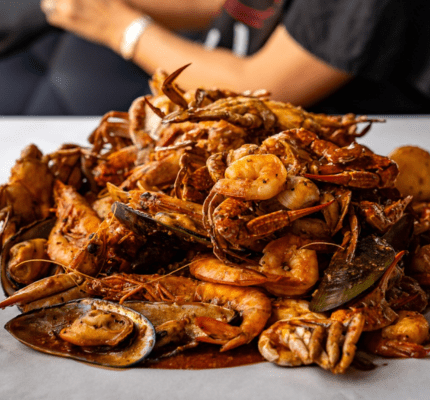
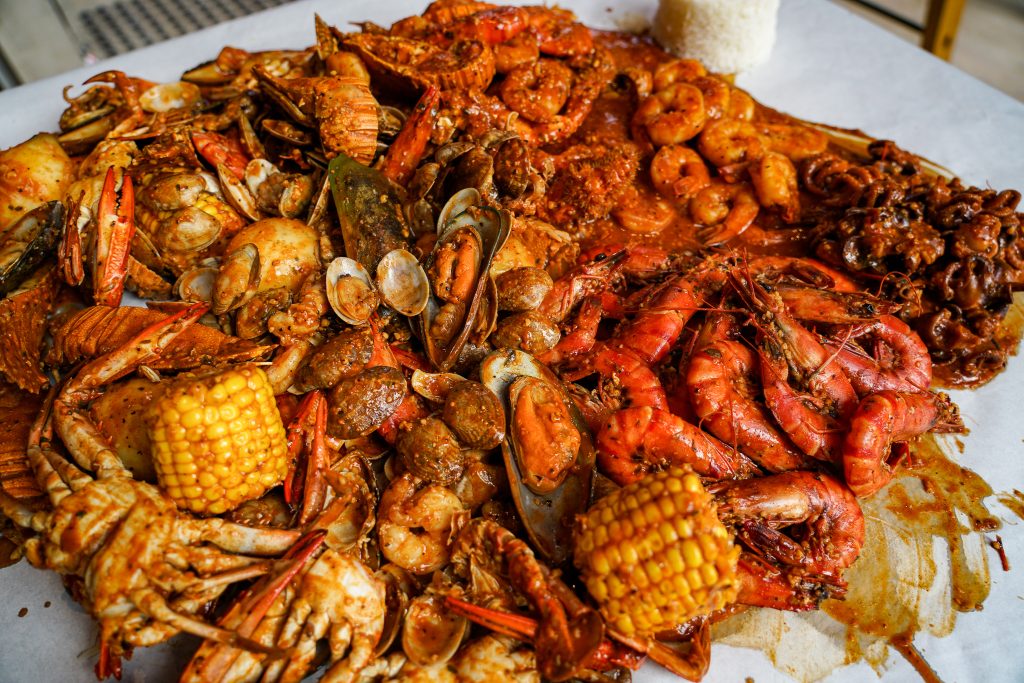
Sharing-style presentations, such as seafood boils or mixed platters, can make the premium cost more palatable while creating an interactive dining experience that enhances the overall value proposition.
To explore what makes king crab legs particularly appealing to seafood enthusiasts, consider the social and experiential aspects alongside the culinary ones.
What Consumer Sentiment Reveals About King Crab Pricing
Why Market Scepticism Is Growing
Consumer attitudes toward king crab pricing reveal significant scepticism about current market rates. Many potential buyers question whether anyone actually purchases crab legs at prevailing prices, suggesting a disconnect between pricing and perceived value for average consumers.
This scepticism extends to concerns about sustainability practices and whether premium pricing truly reflects conservation efforts or simply market manipulation. Some consumers express frustration with what they perceive as wasteful industry practices that contribute to scarcity while maintaining high prices.
How Restaurants and Suppliers Are Responding
In response to market pressures, suppliers are adjusting their approaches – research shows that some are reducing portion sizes and opting for lower grades to manage costs, though not all studies agree on how widespread these practices are. However, demand remains strong among king crab aficionados who continue purchasing despite high prices.
Transparency about sourcing, sustainability practices, and the factors driving pricing has become increasingly important for maintaining customer trust and justifying premium positioning in the market.
What the Research Says About King Crab Pricing
Multiple studies and industry reports confirm several key points about the king crab market:
- Environmental impacts are real: Marine heatwaves have been definitively linked to massive crab population declines, particularly affecting snow crab through increased metabolic stress and starvation.
- Conservation measures work: Strict quotas and seasonal closures implemented by fisheries authorities have shown early signs of helping populations stabilise, with some recovery indicators emerging by 2025.
- Supply constraints drive pricing: Current quotas remain substantially below historical harvesting levels from previous decades, creating legitimate scarcity in the market.
- Consumer transparency matters: Sustainability certifications and clear sourcing information increasingly influence purchasing decisions and help justify premium pricing.
- Pricing varies significantly: Australian retail prices show considerable variation depending on quality, supplier, and market conditions, though we don’t yet know for sure how seasonal timing affects costs.
What to Do Next If You Want to Try King Crab
If you’re considering experiencing king crab legs for the first time or looking to enjoy them more affordably, start by researching local restaurants that offer them as part of promotional deals or seafood festivals. This approach allows you to gauge your personal appreciation for the premium product before committing to higher-priced options.
Consider visiting during off-peak dining times when restaurants may offer special pricing or larger portions. Many establishments provide the tools and guidance needed for first-time king crab diners, making the experience more enjoyable and worthwhile.
For deeper insights into the specific factors driving king crab pricing, research can help you time your purchases more strategically.
Look for restaurants that specialise in seafood boils or hands-on dining experiences, as these venues often provide better value through generous portions and inclusive pricing that covers the full dining experience. Check current seafood promotions to find opportunities to try premium crab options at more accessible price points.
Final Thoughts on King Crab Value and Pricing
King crab legs command premium prices due to legitimate factors including environmental pressures, strict conservation quotas, and complex global supply chains. While the cost may seem excessive for regular consumption, the exceptional quality and unique dining experience can justify the investment for special occasions.
The key to getting value from king crab lies in approaching it with realistic expectations and choosing the right context for your purchase. Whether through restaurant promotions, special events, or carefully timed purchases, opportunities exist to enjoy this premium seafood without completely compromising your budget.
As environmental conditions and industry practices continue to evolve, king crab pricing will likely remain elevated in the near term. Understanding these dynamics helps you make informed decisions about when and how to incorporate this luxury seafood into your dining experiences.
Think you have what it takes to work at Kickin'Inn?
Fill out an expression of interest form here. We strive to respond to all applicants as promptly as possible. We look forward to hearing from you!