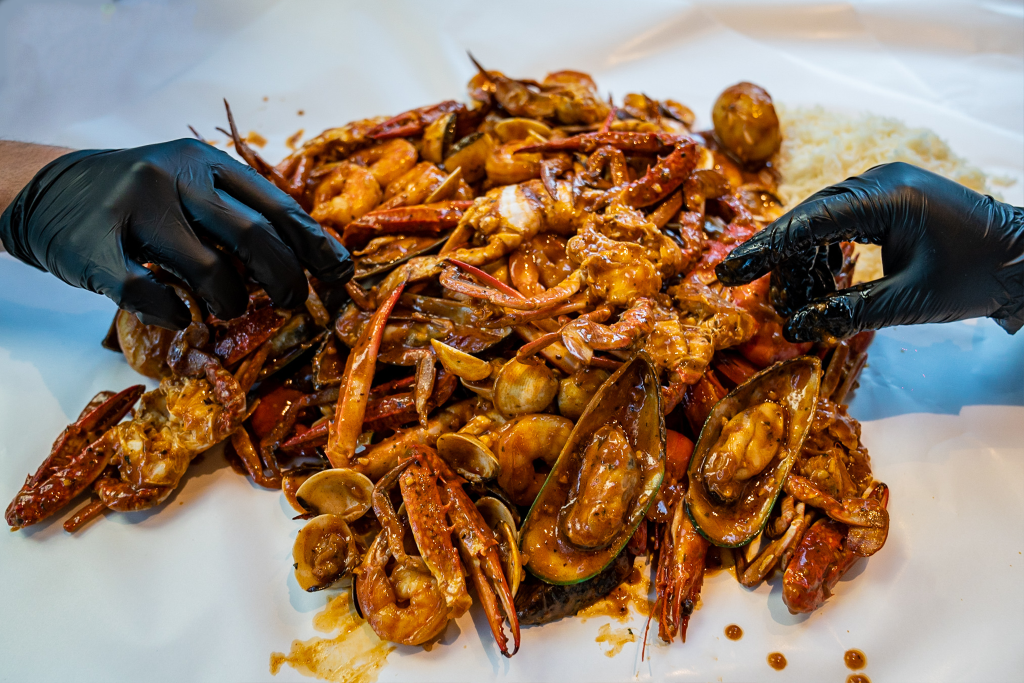
Picture this – you’re craving that perfect kick of Cajun flavour for your seafood boil, chicken wings, or weekend prawns, but your spice jar is looking sad and empty. The good news? Creating your own homemade cajun spice blend is ridiculously easy and way more delicious than anything you’ll grab off the shelf. Plus, you get to control exactly how much heat, salt, and smoky goodness goes into every batch.
A proper Cajun spice blend brings together the holy trinity of heat, herbs, and aromatics that make Louisiana cuisine so addictive. We’re talking paprika for that gorgeous colour, cayenne for the fire, garlic powder for depth, and a bunch of other magical ingredients that turn ordinary seafood into something spectacular. The best part? You probably already have most of these spices hanging out in your pantry right now.
Whether you’re planning a messy seafood feast with mates or just want to jazz up your weeknight dinners, learning to make your own blend means you’ll never be stuck with boring, oversalted store-bought versions again. Let’s dive into everything you need to know to create the perfect homemade cajun spice blend that’ll have everyone asking for your secret recipe.
What Makes a Great Cajun Spice Blend
The magic of Cajun seasoning lies in its balance of heat, smokiness, and aromatic depth. Unlike other spice blends that might focus on just one flavour profile, a proper Cajun mix needs to hit multiple taste buds at once – think warming spices, a decent kick of heat, and enough savoury elements to make your mouth water.
Essential Spices Every Blend Needs
The foundation of any killer Cajun blend starts with these must-have ingredients. Each one plays a specific role in creating that authentic Louisiana flavour profile.
- Paprika – Your base spice that gives the blend its signature reddish colour and mild, sweet pepper flavour
- Cayenne pepper – This is where the heat lives, so adjust according to your spice tolerance
- Garlic powder – Adds that essential savoury depth without the hassle of fresh garlic
- Onion powder – Works with the garlic to create a solid aromatic foundation
- Oregano – Brings an earthy, slightly bitter note that balances the heat
- Thyme – Adds a subtle herbal complexity that makes the blend more interesting
- Salt – Enhances all the other flavours, but you’ll want to control this carefully
Optional Ingredients That Add Character
Once you’ve mastered the basics, these extras can take your blend from good to absolutely incredible. Don’t feel like you need all of them – pick and choose based on what flavours excite you most.
- Smoked paprika – Swaps out some regular paprika for a gorgeous smoky depth
- Black pepper – Adds a different kind of heat that complements the cayenne
- White pepper – Creates a more complex heat profile
- Celery seed – Classic Louisiana flavour that adds earthiness
- Mustard powder – Brings a slight tang and helps bind flavours
- Cumin – Use sparingly for a subtle warming note

How to Balance Salt Levels for Better Flavour
Here’s where most home cooks and even commercial blends go wrong – they load up on salt thinking it’ll make everything taste better. The reality is that many popular Cajun seasonings are basically expensive salt with a few spices thrown in, which can overwhelm the actual flavour you’re trying to create.
Why Less Salt Often Means More Flavour
When you make your own blend, you get complete control over sodium levels. This isn’t just about health – it’s about creating a more versatile seasoning that actually enhances your food rather than masking it. Too much salt in your spice blend means you can’t adjust seasoning properly when cooking, and you’ll end up with dishes that taste one-dimensional.
The smart approach is to create your spice blend with minimal salt (or none at all), then add salt separately when cooking. This way, you can balance salt levels for better flavour and achieve the perfect balance for each dish.
Creating Salt-Free Variations
Consider making a salt-free version of your Cajun blend as your base recipe. This gives you maximum flexibility – you can use it as a seasoning salt by adding your preferred amount of salt later, or use it as a pure spice blend for dishes where you’re controlling salt separately.
| Blend Type | Salt Level | Best Uses | Storage Tips
|
|---|---|---|---|
| Salt-free blend | 0% | Marinades, rubs, cooking spice | Stays fresh longer |
| Low-salt blend | 10-15% | Table seasoning, light finishing | Good all-purpose option |
| Traditional blend | 25-30% | Boils, heavy seasoning | Most similar to store-bought |
Step-by-Step Recipe for Perfect Cajun Seasoning
Ready to get your hands dirty? This recipe creates about half a cup of seasoning – enough for several seafood boils or to keep your spice game strong for weeks. The measurements here lean towards medium heat, but we’ll show you how to adjust for your perfect spice level.
Basic Cajun Spice Blend Recipe
Start with these proportions, then tweak to your taste preferences.
- 3 tablespoons sweet paprika
- 1 tablespoon garlic powder
- 1 tablespoon onion powder
- 1 tablespoon dried oregano
- 1 tablespoon dried thyme
- 1 teaspoon cayenne pepper (adjust to taste)
- 1 teaspoon black pepper
- 1 teaspoon salt (optional – add to taste)
Mixing and Storage Instructions
- Combine dry ingredients – Whisk all spices together in a medium bowl until evenly distributed
- Taste and adjust – Take a small pinch and taste it. Add more cayenne for heat, more salt for seasoning, or more paprika to mellow things out
- Store properly – Transfer to an airtight container or spice jar. Label with the date and your heat level notes
- Let it meld – The flavours develop over a day or two, so don’t judge your first attempt too harshly
Heat Level Adjustments
Everyone’s spice tolerance is different, and the beauty of homemade seasoning is getting it exactly right for your crew.
- Mild version – Use 1/2 teaspoon cayenne, add 1 extra tablespoon paprika
- Medium version – Stick with the base recipe as written
- Hot version – Increase cayenne to 2 teaspoons, add 1/2 teaspoon white pepper
- Extra hot version – Use 1 tablespoon cayenne, add 1/2 teaspoon chipotle powder for heat and smoke
For more detailed guidance on customising your heat levels, check out these heat level adjustments that work particularly well for home cooks.
Advanced Techniques for Superior Flavour
Once you’ve mastered the basic blend, these pro techniques will take your homemade cajun spice blend to restaurant-quality levels. It’s all about maximising flavour extraction and creating more complex taste profiles.
Using Whole Spices for Fresher Taste
Pre-ground spices are convenient, but whole spices that you grind yourself deliver significantly more flavour. The oils in spices start degrading the moment they’re ground, so whole spices stay potent much longer.
Consider starting with whole versions of these ingredients and grinding them fresh.
- Whole black peppercorns instead of ground pepper
- Whole mustard seeds instead of mustard powder
- Whole cumin seeds for a nuttier, more complex flavour
- Whole celery seeds for authentic Louisiana taste
Use a spice grinder or mortar and pestle to grind small batches. The extra effort pays off in noticeably brighter, more vibrant flavours.
Toasting Spices for Deeper Complexity
This technique borrowed from Indian and Middle Eastern cooking can transform your Cajun blend. Lightly toasting certain spices in a dry pan before grinding releases essential oils and creates deeper, more complex flavours.
Toast these spices individually for 1-2 minutes until fragrant.
- Cumin seeds – until they smell nutty and warm
- Mustard seeds – until they start to pop
- Celery seeds – just until they release aroma
Let them cool completely before grinding and mixing with your other spices.
Creating Signature Variations
Once you’re comfortable with the basic recipe, try these variations to create your own signature blend.
| Variation Name | Key Addition | Flavour Profile | Best For
|
|---|---|---|---|
| Smoky Cajun | Smoked paprika + chipotle | Rich, smoky heat | Grilled seafood, BBQ |
| Herby Cajun | Extra thyme + sage | Fresh, aromatic | Chicken, vegetables |
| Citrus Cajun | Lemon pepper + orange zest | Bright, zesty heat | Fish, prawns |
| Sweet Heat | Brown sugar + extra paprika | Sweet and spicy | Ribs, roasted vegetables |
How to Test and Perfect Your Blend
Creating the perfect Cajun seasoning isn’t a one-and-done deal. Like any good recipe, it takes a bit of experimentation to get it exactly how you like it. The key is testing small batches and keeping notes so you can replicate your successes.
Smart Testing Methods
Don’t waste a whole batch of prawns testing an unproven spice mix. These simple testing methods let you dial in your flavours before you commit to a full feast.
- Oil taste test – Mix a small amount with olive oil and taste on crusty bread
- Egg scramble – Add a pinch to scrambled eggs for a quick flavour check
- Roasted potato wedges – Toss wedges with oil and your spice blend, roast for 20 minutes
- Simple chicken thigh – Season one thigh and pan-fry for the full experience
Common Issues and How to Fix Them
Even experienced cooks run into these problems when developing spice blends. Here’s how to troubleshoot the most common issues.
- Too salty – Add more of all the other spices to dilute the salt ratio
- Too hot – Add more paprika and a touch of brown sugar to mellow the heat
- Tastes flat – Increase the garlic powder and add a pinch of MSG or mushroom powder
- Missing something – Try adding a small amount of celery seed or mustard powder
- Colour too pale – Increase paprika or add a touch of turmeric
Storage and Shelf Life Tips
Making a brilliant Cajun blend is only half the battle – storing it properly ensures it stays potent and flavourful for months. Poor storage can turn your carefully crafted seasoning into expensive, flavourless dust faster than you’d think.
Proper Storage Containers and Conditions
Your homemade spice blend needs protection from three main enemies – light, heat, and moisture. Any exposure to these will degrade the essential oils that give your blend its punch.
- Glass jars with tight lids – Mason jars or recycled spice jars work perfectly
- Cool, dark storage – Pantry or spice drawer, not above the stove
- Dry conditions – Never store in the fridge where condensation can form
- Small batches – Make what you’ll use in 6-8 months rather than massive quantities
How Long Does Homemade Cajun Seasoning Last
Properly stored homemade Cajun seasoning stays potent for 8-12 months, which is often longer than store-bought versions sitting on shelves for months before you even buy them. The key is recognising when potency starts to fade.
Signs your spice blend needs refreshing include dull colour, weak aroma when you open the container, and flavours that taste flat or one-dimensional when cooking. If your blend still smells vibrant and looks colourful, it’s probably still good to use.
Creative Ways to Use Your Homemade Blend
Now that you’ve created the perfect Cajun seasoning, it’s time to put it to work beyond the obvious seafood applications. This versatile blend can transform ordinary weeknight dinners into something special and add excitement to ingredients you might otherwise find boring.
Beyond Seafood Applications
While your homemade blend will absolutely shine on prawns, crab, and fish, don’t limit yourself to just seafood. These applications might surprise you with how delicious they turn out.
- Roasted vegetables – Toss sweet potato wedges, cauliflower, or Brussels sprouts with oil and seasoning
- Popcorn seasoning – Mix with melted butter for movie night with a kick
- Rim salt for cocktails – Mix with coarse salt for Bloody Marys or margaritas
- Compound butter – Mix into softened butter for an instant flavour boost for bread or steaks
- Salad dressing base – Whisk into vinaigrettes for warm, spicy salads
- Pizza seasoning – Sprinkle over pizza before or after baking
Marinades and Wet Applications
Your dry spice blend becomes even more versatile when you turn it into marinades, pastes, and wet seasonings. These applications help the flavours penetrate deeper into proteins and vegetables.
- Basic marinade – Mix 2 tablespoons seasoning with 1/4 cup oil and 2 tablespoons acid (lemon juice or vinegar)
- Dry brine – Rub directly onto meat or fish 30 minutes before cooking
- Sauce base – Mix with mayonnaise for sandwiches or with sour cream for dips
- Butter compound – Mix into softened butter with herbs for a finishing touch
Batch Cooking and Meal Prep Ideas
Having homemade Cajun seasoning on hand makes meal prep infinitely more interesting. Here are some batch-cooking ideas that take advantage of your signature blend.
| Prep Idea | Technique | Storage Time | Reheating Notes
|
|---|---|---|---|
| Seasoned chicken thighs | Season and freeze raw | 3 months frozen | Thaw overnight, cook as normal |
| Cajun vegetable mix | Pre-season cut vegetables | 3 days refrigerated | Roast straight from fridge |
| Seasoning butter logs | Roll in plastic wrap | 6 months frozen | Slice while frozen |
| Marinated prawns | Season and vacuum seal | 2 days refrigerated | Quick sauté from raw |
What to Do Next
You’re now armed with everything you need to create authentic, personalised Cajun seasoning that puts store-bought blends to shame. The best part? You can adjust the heat, salt, and flavour profile to match exactly what you and your crew love most.
Start with the basic recipe and don’t be afraid to experiment. Make notes about what works and what doesn’t – building your signature blend is half the fun. Once you’ve nailed your perfect mix, consider making larger batches to share with friends or keep multiple varieties on hand for different cooking styles.
The beauty of homemade spice blends is that they get you excited about cooking again. When you’ve got a jar of your signature Cajun seasoning ready to go, even a simple weeknight dinner becomes an opportunity to create something delicious and memorable.
Key Takeaways for Cajun Seasoning Success
Creating the perfect homemade Cajun spice blend comes down to understanding balance, controlling your salt levels, and not being afraid to adjust the recipe to suit your taste preferences. Remember that commercial blends are often loaded with salt and preservatives, while your homemade version gives you complete control over every element.
The foundational spices – paprika, cayenne, garlic powder, onion powder, oregano, and thyme – create the authentic Cajun flavour profile, but the magic happens when you adjust the ratios to create something uniquely yours. Whether you prefer mild and aromatic or hot and smoky, the basic technique stays the same.
Most importantly, don’t expect perfection on your first try. Great spice blends evolve over time as you learn what works best for your cooking style and taste preferences. Keep experimenting, take notes, and enjoy the process of creating something that’s genuinely better than anything you can buy off the shelf.
Think you have what it takes to work at Kickin'Inn?
Fill out an expression of interest form here. We strive to respond to all applicants as promptly as possible. We look forward to hearing from you!