Walking into a seafood boil restaurant for the first time can feel like stepping into a completely different dining world. The atmosphere buzzes with excitement, tables are covered in butcher paper instead of tablecloths, and diners roll up their sleeves for a hands-on feast. If you’ve never experienced a seafood boil experience before, you might wonder what to expect from this messy, flavourful, and thoroughly engaging style of dining.
A seafood boil restaurant specialises in cooking fresh seafood – prawns, crab, mussels, and crawfish – together in large pots with bold spices, corn, and potatoes. Restaurant menus consistently feature these combinations, with establishments offering various seafood selections alongside traditional sides. The cooked seafood arrives at your table in plastic bags or spread directly on butcher paper, ready for you to dig in with your hands. This communal, interactive dining style originated in the southern United States, particularly in Louisiana with its rich Cajun traditions, but has become increasingly popular across Australia, offering a unique alternative to traditional restaurant experiences.
Understanding what happens during a seafood boil experience helps you prepare for an evening that’s equal parts delicious meal and entertaining activity. From the moment you sit down to the final bite, every aspect of the experience is designed to be social, flavourful, and delightfully messy.
What Should You Expect When You Arrive
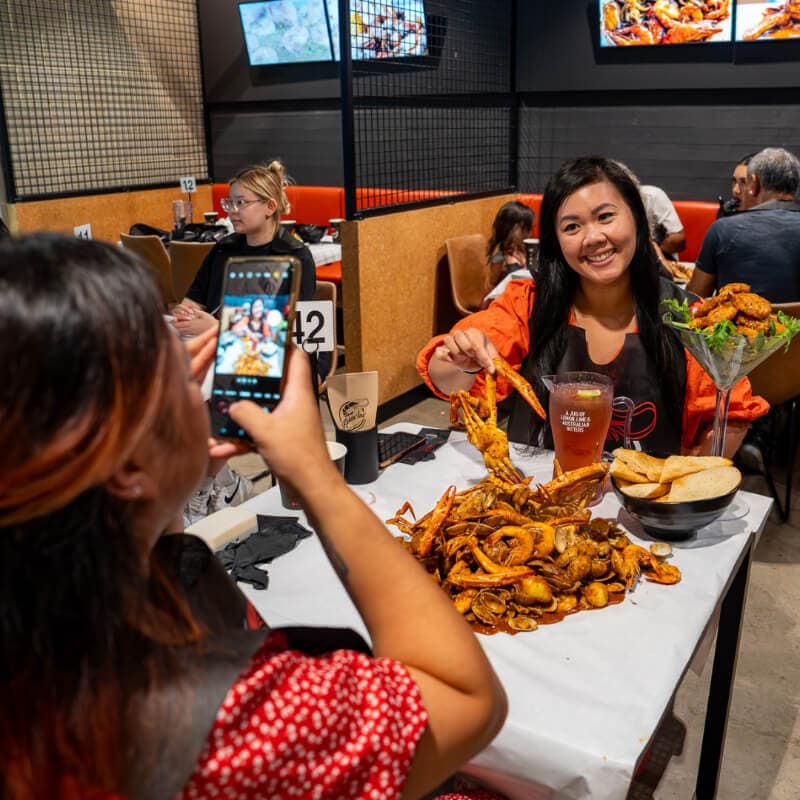
The moment you enter a seafood boil restaurant, you’ll notice the relaxed, casual atmosphere. Most establishments feature communal-style seating with long tables covered in disposable paper. The decor often reflects coastal or Cajun themes, with bright colours and nautical touches creating an upbeat environment.
How Does The Ordering Process Work
Ordering at a seafood boil restaurant differs significantly from traditional dining. Industry guidance suggests that the process typically involves choosing seafood proteins, selecting spice levels, and confirming or customising side options. You’ll typically choose from several options including individual seafood selections or pre-made combination bags. The process usually involves:
- Selecting your preferred seafood types such as prawns, mud crab, or blue swimmer crab
- Choosing your spice level from mild to extra hot
- Picking additional items like corn on the cob, potatoes, or sausage
- Deciding on portion sizes based on your group’s appetite
The staff often provide helpful guidance about spice levels and portion sizes, especially for first-time diners. While many establishments aim to help customers understand their options, the availability of sample tastings for spice blends varies between restaurants.
What Preparation Should You Do Before Eating
Smart diners come prepared for the hands-on nature of seafood boil dining. Evidence from established restaurants shows that plastic gloves and bibs are often provided, though this isn’t universal across all venues. You’ll want to wear clothes you don’t mind getting a bit messy. Rolling up your sleeves and removing any delicate jewellery helps you fully enjoy the experience without worry.
The restaurant typically provides wet wipes, paper towels, and finger bowls, but bringing your own hand sanitiser can be helpful for peace of mind.
What Happens When Your Food Arrives
The arrival of your seafood boil creates an immediate sensory experience. The aromatic blend of spices, garlic, and fresh seafood fills the air as staff pour your order directly onto the paper-covered table or present it in large plastic bags.
Why Does The Seafood Look Different From Other Restaurants
First-time diners often notice that prawns arrive with their shells on and the dark digestive tract visible along the back. This presentation serves important culinary purposes that enhance your dining experience. Cooking prawns with the shell on protects the delicate meat from overcooking while allowing the shell to impart additional flavour to the seafood.
The digestive tract, often called the “vein,” remains intact because removing it from every prawn would be impractical for large-volume cooking. This sediment-like material is completely harmless to consume, though some diners prefer to remove it themselves while eating. The hands-on preparation is part of the authentic seafood boil experience, encouraging diners to work for each delicious bite.
| Seafood Type | Typical Presentation | Eating Method | Preparation Time |
|---|---|---|---|
| Prawns | Shell-on, head optional | Peel by hand, remove digestive tract if desired | 2-3 minutes per prawn |
| Mud Crab | Whole crab, cracked shell | Use provided crackers and picks | 5-10 minutes per crab |
| Mussels | Shell-on in cooking liquid | Use shells as natural spoons | 30 seconds per mussel |
| Crawfish | Whole with shell | Twist and suck technique | 1-2 minutes per piece |
How Do You Navigate The Hands-On Eating Experience
The interactive nature of seafood boil dining requires some technique, but the learning curve is part of the fun. Each type of seafood has its own approach, and watching fellow diners or asking staff for demonstrations helps newcomers feel confident.
What Techniques Work Best For Different Seafood
Successful seafood boil dining involves mastering a few key techniques. For prawns, gently pinch the shell near the head and peel it away in sections, leaving the tail as a natural handle if you prefer. The meat should come away easily from properly cooked prawns.
Crab requires more effort but offers rewarding payoffs. Use the provided crackers to break open the claws and legs, then use the small picks to extract meat from smaller crevices. Many experienced diners use empty crab shells as natural bowls for dipping sauce.
Mussels offer the simplest eating experience – use the empty shell halves as tiny spoons to scoop out the meat and flavourful cooking liquid.
How Do You Handle The Mess Gracefully
Embracing the messiness rather than fighting it makes the experience more enjoyable. Keep wet wipes within easy reach and don’t hesitate to use them frequently. The provided bibs protect your clothing, but food stains are considered badges of honour in seafood boil culture.
Creating a small pile of shells on one side of your eating area helps keep your workspace organised. Most restaurants provide large buckets for shell disposal, making cleanup easier as you eat.
What Flavours And Spices Should You Expect
The bold, complex flavours of seafood boil seasoning create the signature taste experience that keeps diners returning. Traditional blends combine Cajun and Creole spices with garlic, lemon, and butter to create layers of heat and flavour.
How Do Different Spice Levels Affect Your Experience
Understanding spice levels helps you choose the right heat for your palate. Industry standards show that mild seasonings focus on garlic, herbs, and subtle warmth without significant heat. Medium levels introduce noticeable chilli heat that builds gradually as you eat. Hot and extra-hot options deliver intense heat using ingredients like ghost pepper and Carolina Reaper that can overwhelm inexperienced spicy food eaters.
The beauty of seafood boil spicing lies in how the heat enhances rather than masks the natural seafood flavours. Quality restaurants balance their spice blends to complement the sweetness of prawns and the richness of crab without overpowering these delicate tastes.
What Role Do Side Items Play In The Meal
Corn on the cob, potatoes, and sausage serve important functions beyond adding variety to your meal. These starchy sides absorb the flavourful cooking liquid and spices, creating satisfying bites that help balance the richness of seafood. They also provide relief from intense spice levels when needed.
The vegetables cook alongside the seafood, absorbing all the aromatic seasonings while maintaining their natural textures and flavours.
What Social Aspects Make Seafood Boils Special
The communal nature of seafood boil dining creates natural conversation and bonding opportunities. The shared experience of learning techniques, comparing spice tolerance, and working through challenging shellfish creates memorable group experiences.
Why Do Groups Enjoy This Dining Style
Seafood boil restaurants excel at bringing people together through shared challenges and discoveries. The hands-on eating style breaks down formal dining barriers, encouraging laughter and interaction as diners help each other crack particularly stubborn crab claws or share technique tips.
The extended eating time – often 1-2 hours for a full meal – allows for meaningful conversation between the intensive work of extracting seafood meat. This pacing creates a relaxed social atmosphere that differs markedly from quick-service dining.
How Do You Include Hesitant Diners In The Experience
Some diners feel intimidated by the hands-on preparation or concerned about the mess factor. Starting with easier seafood options like mussels or pre-cracked crab helps build confidence. Choosing milder spice levels initially allows hesitant diners to focus on technique without battling intense heat.
Experienced diners can offer helpful demonstrations and encouragement while respecting individual comfort levels. Remember that not everyone enjoys the same level of mess or spice, and that’s perfectly acceptable.
What Should You Know About Practical Considerations
Planning ahead helps ensure your seafood boil experience meets your expectations and dietary needs. Understanding timing, pricing, and accommodation options helps you make informed decisions about when and where to dine.
How Long Does A Typical Seafood Boil Meal Take
Allow 90 minutes to 2 hours for a complete seafood boil experience, including ordering, cooking time, and the extended eating process. While home cooking guides detail preparation times, restaurant experiences naturally take longer due to the social nature and hands-on eating style. The hands-on nature of extracting meat from shells naturally slows the pace of eating, but this extended timeline is part of the experience’s appeal.
Kitchen preparation varies depending on your order size and the restaurant’s current volume. The cooking process cannot be rushed without compromising food quality, so patience enhances your overall experience.
What Options Exist For Different Dietary Preferences
While seafood boil restaurants focus primarily on shellfish and crustaceans, most establishments offer alternatives for diners with different needs. Grilled fish options, chicken, or vegetarian corn and potato combinations accommodate various dietary restrictions.
Some diners prefer less hands-on preparation, though this goes against traditional seafood boil culture. While requesting pre-peeled prawns or pre-cracked crab is possible at some locations, it typically increases costs and may not be available during busy periods.
- Gluten-free options often include plain boiled seafood without certain seasonings
- Dairy-free preparations replace butter-based sauces with oil-based alternatives
- Low-sodium requests focus on fresh herbs rather than salt-heavy spice blends
- Vegetarian sides include corn, potatoes, and mushrooms cooked in vegetable broth
How Can You Make The Most Of Your Visit
Maximising your seafood boil experience involves understanding both the culinary and social elements that make this dining style special. Preparation and the right mindset help ensure an enjoyable evening for everyone in your group.
What Should You Do To Prepare For Your First Visit
Successful first-time diners come hungry and ready to learn. Eating lightly earlier in the day helps you fully appreciate the rich, filling nature of seafood boil meals. Bringing hair ties for long hair and removing rings or bracelets prevents frustration during hands-on eating.
Researching the restaurant’s spice levels and specialties helps you order confidently. Many establishments post sample menus online, allowing you to plan your selections in advance.
Consider starting your seafood boil journey with us at Kickin’Inn, where our experienced team guides first-time diners through every step of the process. Our welcoming atmosphere and helpful staff ensure you feel confident tackling everything from mud crab to spicy prawns.
What Makes A Seafood Boil Experience Memorable
The best seafood boil experiences combine quality ingredients, perfect spice levels, and great company. Focus on trying different seafood types and spice combinations to discover your preferences. Don’t rush the process – the extended eating time is designed to enhance social connection and flavour appreciation.
Take photos of the colourful spread before diving in, but remember that phones and messy fingers don’t mix well during the actual eating. Many diners find that fully engaging with the hands-on experience without digital distractions creates more meaningful memories.
What the research says about seafood boil dining
Understanding the evidence behind seafood boil practices helps explain why this dining style has remained popular and effective.
- Shell-on cooking methods are scientifically supported – Culinary research confirms that cooking prawns with shells protects the delicate meat and prevents overcooking
- Spice level progression follows established patterns – Restaurant industry standards consistently show mild levels focusing on garlic and herbs, while extreme levels use scientifically measured super-hot peppers
- Interactive dining enhances social connection – The hands-on nature creates natural bonding opportunities through shared challenges and extended meal times
- Some aspects need more research – While many restaurants aim to provide gloves and bibs, practices vary significantly between establishments
- Timing varies by location – Home cooking guides provide detailed preparation times, but restaurant service timing depends on many factors that aren’t yet well documented
What You Can Expect After Your Seafood Boil Experience
A well-executed seafood boil experience leaves diners satisfied, social, and often planning their next visit. The combination of fresh seafood, bold flavours, and interactive dining creates lasting positive memories that extend well beyond the meal itself.
Most diners find themselves craving the unique spice blends and social atmosphere within days of their first visit. The hands-on eating style, while initially challenging, becomes second nature and adds to the overall enjoyment of future seafood meals.
Understanding what makes seafood boil dining special – the authentic preparation methods, the social bonding, and the bold flavour combinations – helps you appreciate this distinctive culinary experience. Whether you’re planning your first visit or looking to enhance future experiences, embracing the messy, flavourful, hands-on nature of seafood boil culture guarantees an memorable dining adventure.
Think you have what it takes to work at Kickin'Inn?
Fill out an expression of interest form here. We strive to respond to all applicants as promptly as possible. We look forward to hearing from you!