The debate between boiled seafood vs grilled seafood has been simmering in kitchens and restaurants for decades. Whether you’re planning a backyard feast or choosing your next dining adventure, understanding the differences between these two popular cooking methods can help you make the perfect choice for your taste buds and occasion.
Both boiling and grilling offer distinct advantages that transform fresh seafood into memorable meals. While boiled seafood creates tender, flavour-infused dishes perfect for sharing, grilled seafood delivers smoky char and concentrated tastes that showcase the natural essence of ocean ingredients. Your personal preferences, the specific seafood you’re cooking, and the dining experience you want to create all play crucial roles in determining which method will deliver the best results.
This guide explores the key differences between boiled and grilled seafood preparation, helping you understand when each method shines brightest and how to choose the right approach for your next seafood celebration.
What Makes Boiled Seafood Special
How Does the Boiling Process Transform Seafood
Boiled seafood cooking involves immersing fresh ingredients in seasoned, bubbling water that infuses every piece with bold flavours. Research shows that spicing techniques for seafood boils allow aromatics and seasonings to flavour the cooking liquid, which then transfers to the seafood during cooking. The gentle heat breaks down tough fibres while preserving the delicate texture that makes seafood so appealing. Unlike other cooking methods, boiling allows spices and seasonings to flavour the cooking broth, though the evidence suggests this penetration may be more limited than often claimed, with much flavouring occurring through contact with the seasoned cooking liquid.
The magic happens when Cajun spices, garlic, onions, and aromatic herbs meld together in the cooking liquid. As seafood cooks, it absorbs these flavours while releasing its own natural juices back into the pot, creating a rich, complex broth that enhances everything it touches.
What Textures and Flavours Can You Expect
Properly boiled seafood can deliver remarkably tender results, though cooking guides emphasise that precise timing is crucial to avoid the rubbery texture that results from overcooking. When done correctly, the cooking liquid keeps ingredients moist throughout the process, preventing the dryness that can plague other cooking methods. You’ll experience seafood with enhanced natural sweetness, complemented by whatever spice blend you choose to incorporate.
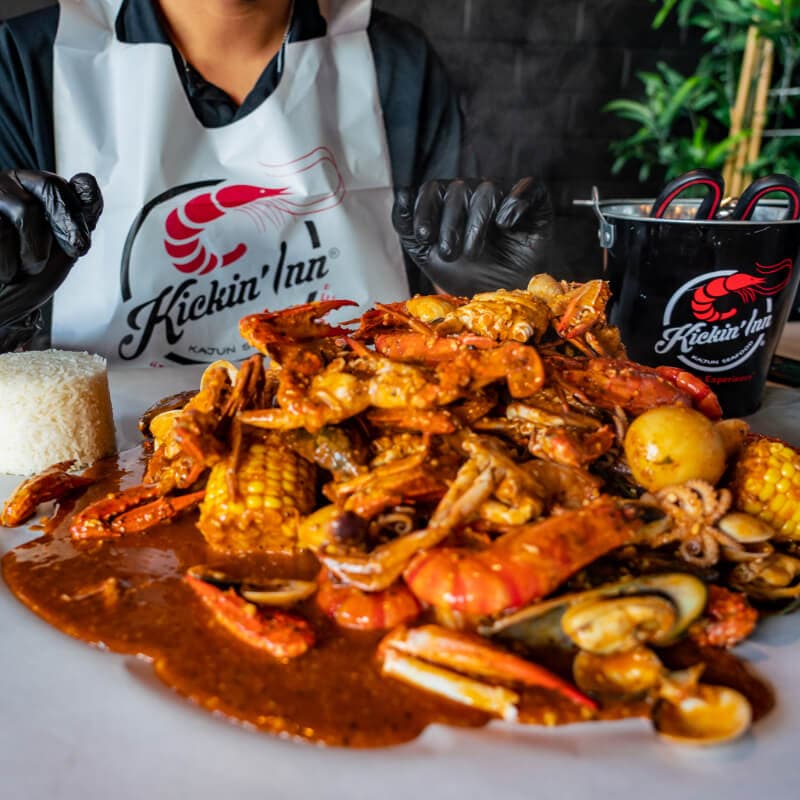
The communal aspect of seafood boils creates a unique dining experience where flavours continue to develop as ingredients sit together. Vegetables like corn, potatoes, and sausage absorb the seafood essence while contributing their own characteristics to the overall flavour profile.
What Makes Grilled Seafood Stand Out
How Does Grilling Change Seafood Character
Grilled seafood develops different characteristics through direct heat exposure, with grilling techniques creating caramelisation and enhanced flavours. The high temperatures remove excess moisture while intensifying natural seafood flavours, as seafood grilling guides confirm that this cooking method concentrates existing flavours through browning and char development. Grill marks aren’t just visual appeal; they represent areas where sugars and proteins have transformed into complex, savoury compounds.
The grilling process removes excess moisture while intensifying natural seafood flavours. Unlike boiling, which adds external flavours, grilling concentrates what’s already present in the seafood itself. This makes grilling particularly effective for showcasing premium ingredients where you want the natural taste to shine.
What Cooking Techniques Work Best for Grilled Seafood
Successful grilling requires understanding how different seafood types respond to direct heat. Professional cooking guidance confirms that firm fish like salmon and tuna can handle direct grilling, while delicate options benefit from foil packets or cedar planks that provide gentler, indirect cooking. The key lies in maintaining proper moisture levels while achieving the desired char.
Temperature control becomes critical with grilled seafood, as the line between perfectly cooked and overdone can be razor-thin. Using techniques like indirect heat zones and foil wrapping helps retain moisture while still developing that distinctive grilled character.
Which Seafood Types Work Best with Each Method
What Seafood Excels When Boiled
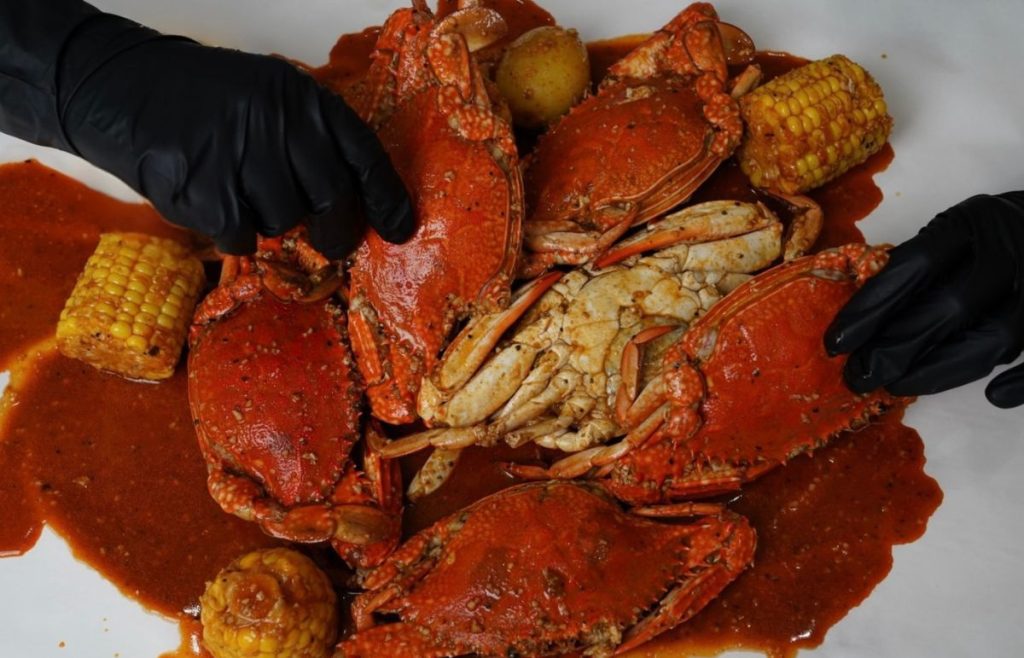
Certain seafood varieties truly shine in boiling liquid, particularly those with shells that benefit from flavour infusion. The best fish for a Cajun boil experience typically include robust options that hold their texture under extended cooking times.
- Crabs and lobsters develop incredible flavour when boiled with aromatic spices
- Shrimp absorb seasonings beautifully while maintaining their signature snap
- Mussels and clams open naturally, releasing their briny essence into the cooking liquid
- Firm white fish varieties hold together well in boiling liquid
- Crawfish become tender and perfectly spiced through the boiling process
Which Options Perform Better When Grilled
Grilling works exceptionally well for seafood that benefits from surface caramelisation and concentrated flavours. These varieties develop enhanced taste profiles when exposed to direct heat and smoke.
- Salmon develops a beautiful crust while staying moist inside
- Tuna maintains its meaty texture with perfect searing capabilities
- Whole fish like snapper showcase natural flavours through grilling
- Large prawns develop sweet, smoky characteristics
- Scallops caramelise beautifully under direct heat
How Do Cooking Times and Temperatures Compare
What Timing Considerations Matter for Boiled Seafood
Boiled seafood cooking relies on consistent water temperature and precise timing to achieve optimal results, as temperature control experts emphasise that both factors are critical variables for success. The gentle, surrounding heat cooks ingredients evenly, but timing remains crucial for preventing overcooking.
| Seafood Type | Boiling Time | Key Indicators |
|---|---|---|
| Large Prawns | 3-4 minutes | Pink colour, curled shape |
| Crab Legs | 4-6 minutes | Bright red shells |
| Mussels | 5-7 minutes | Shells fully opened |
| Fish Portions | 6-8 minutes | Flakes easily with fork |
How Does Grilling Time Differ
Grilled seafood typically requires shorter cooking times but more active attention due to the intense, direct heat involved. Cooking times are typically shorter, but the margin for error decreases significantly. The key lies in understanding how different thicknesses and densities respond to grill temperatures.
Most grilled seafood benefits from medium-high heat rather than maximum temperature, allowing the interior to cook properly while developing surface caramelisation. Frequent turning and careful attention prevent the dry, tough results that can occur when grilling becomes too aggressive.
What Flavour Profiles Can You Achieve
How Do Seasonings Work Differently in Each Method
The way seasonings interact with seafood varies dramatically between boiling and grilling. Understanding these differences helps you choose the right approach for your desired flavour outcome.
Boiled seafood allows for complex spice blends to flavour the cooking liquid, which then transfers to the seafood during cooking. Seafood boil ingredients work together to create layered flavour experiences where each component contributes to an overall taste profile. The cooking liquid becomes a flavour vehicle that carries seasonings to the seafood’s surface and exposed areas.
Grilled seafood relies on surface seasonings and marinades that create concentrated flavour bursts. Dry rubs and herb crusts develop intense characteristics through caramelisation, while the natural seafood flavours remain prominent underneath these enhanced surfaces.
Which Method Offers More Versatility
Personal preference strongly influences the choice between seafood preparation methods, with each offering distinct advantages depending on your flavour goals. Boiled seafood provides incredible versatility in spice combinations and allows for easy customisation of heat levels and aromatic profiles.
Grilling offers different versatility through cooking technique variations rather than seasoning complexity. You can achieve everything from delicate, barely-touched preparations to bold, heavily charred results depending on your approach and timing.
Which Method Works Better for Different Occasions
When Does Boiled Seafood Excel
Both seafood preparation methods have occasions where they truly shine, making the choice dependent on your specific dining context. Boiled seafood creates natural opportunities for communal dining experiences where sharing and conversation flow as easily as the flavourful cooking liquid.
Family gatherings, casual parties, and relaxed celebrations benefit from the hands-on, interactive nature of seafood boils. The cooking method encourages lingering over meals, with multiple courses emerging from the same pot and plenty of time for socialising between servings.
What Situations Favour Grilled Options
Grilled seafood works beautifully for more formal occasions where presentation matters as much as taste. The visual appeal of perfectly marked fish or beautifully caramelised prawns creates impressive dinner party centrepieces that showcase culinary skill.
Outdoor entertaining, romantic dinners, and occasions where you want to highlight premium seafood ingredients often call for grilling approaches. The cooking method allows individual portions and precise control over each serving’s doneness level.
How Do Health and Nutrition Compare
What Nutritional Differences Exist
From a nutritional standpoint, both cooking methods preserve many of the essential benefits that make seafood such a valuable protein source. The differences lie primarily in added ingredients and cooking fats rather than the seafood itself.
Boiled seafood typically involves minimal added fats, as nutrition guidance confirms that boiling and steaming are healthy cooking methods that avoid added fats. However, the communal nature often includes butter, sausages, and other accompaniments that can increase caloric content significantly.
Grilled seafood may involve marinades or finishing oils that add calories, but portion control becomes easier when serving individual pieces. The cooking method itself doesn’t add significant calories, making it easy to keep preparations light and healthful.
Which Method Retains More Nutrients
Both methods can preserve valuable nutrients, though research suggests the picture is somewhat complex. Studies show that selenium retention varies between cooking methods and seafood types, with both boiling and grilling showing good but variable nutrient preservation. The evidence on omega-3 fatty acids and mineral retention is still emerging, with different studies showing varying results depending on the specific seafood and cooking conditions.
The key lies in avoiding overcooking with either method, as excessive heat breaks down beneficial compounds regardless of the cooking technique used.
What Equipment and Setup Do You Need
How Do Equipment Requirements Differ
The practical considerations for each cooking method involve different equipment needs and setup requirements that might influence your choice.
Boiled seafood requires large pots capable of holding significant volumes of water and ingredients, along with powerful burners that can maintain rolling boils. Strainers, large serving platters, and communal dining setup become essential for proper service.
Grilled seafood needs reliable grill equipment with good temperature control capabilities. Additional tools like fish baskets, cedar planks, and foil become important for achieving optimal results with different seafood types.
What Skill Levels Work Best for Each Method
Beginning cooks often find boiled seafood more forgiving, as the gentle, surrounding heat provides some buffer against timing mistakes. The visual cues for doneness tend to be clearer, with shells opening and colours changing dramatically.
Grilling requires more developed timing instincts and temperature judgement, but the principles remain straightforward. Success comes through practice and understanding how your specific equipment performs rather than complex techniques.
What the Research Says About Seafood Cooking Methods
Understanding what research tells us about these cooking methods can help guide your choices and expectations.
- Professional cooking guides consistently support that firm fish varieties handle direct grilling well, while delicate seafood benefits from gentler methods like foil packets
- Boiling allows seasonings to flavour the cooking liquid effectively, though evidence suggests flavour transfer occurs mainly through contact rather than deep penetration
- Both methods can preserve important nutrients like selenium and proteins, though retention varies by seafood type and cooking conditions
- Temperature control and precise timing are critical for both methods, with experts noting that even small variations can affect texture and quality
- The evidence on nutrient retention between methods is mixed, with some studies favouring boiling for certain compounds while others show similar results across cooking methods
- Cooking time recommendations vary by source, but large prawns consistently show best results with 3-4 minutes of boiling time
How to Choose the Right Method for Your Needs
What Factors Should Guide Your Decision
Choosing between boiled and grilled seafood ultimately depends on several practical and personal considerations that go beyond simple taste preferences. Consider your available time, equipment, guest preferences, and the overall dining experience you want to create.
Comparing seafood boil experiences with other dining formats can help clarify what type of meal atmosphere you’re seeking. Think about whether you want an interactive, communal experience or more individual, refined presentations.
Regional preferences and cultural backgrounds often influence these choices significantly. Understanding your guests’ expectations and dietary restrictions helps ensure everyone enjoys the experience you’re creating.
When Should You Consider Professional Preparation
Sometimes the best choice involves leaving the cooking to experienced professionals who can deliver exceptional results without the stress of home preparation. This becomes particularly valuable for large gatherings or special occasions where you want to focus on hosting rather than cooking.
Professional kitchens offer advantages in equipment capability, timing coordination, and flavour development that can be difficult to replicate at home. Expert Cajun seafood preparation techniques often involve years of experience and specialised knowledge that creates superior results.
Consider professional options when you want to experience authentic regional preparations or when entertaining large groups where home cooking becomes impractical.
What to Do Next for Your Seafood Experience
The choice between boiled and grilled seafood doesn’t have to be permanent or exclusive. Many seafood lovers enjoy both methods for different occasions, appreciating the unique benefits each approach provides. Start by considering your immediate needs, available equipment, and the type of dining experience you want to create.
For those seeking authentic, expertly prepared seafood experiences, professional restaurants specialise in perfecting these cooking methods. You can experience both styles to better understand your preferences before investing in home equipment or planning your own seafood gatherings.
Take advantage of current seafood dining promotions to explore different preparation styles and discover which flavours resonate most with your taste preferences.
Whether you choose the communal warmth of a seafood boil or the sophisticated char of grilled preparations, the most important factor remains using fresh, quality ingredients and cooking them with care and attention to timing.
Key Takeaways for Your Seafood Journey
Both boiled and grilled seafood offer distinct advantages that make them valuable additions to your culinary repertoire. Boiled seafood excels at creating communal, flavour-rich experiences perfect for casual gatherings and family meals. The method allows for complex spice blends and ensures tender, well-seasoned results that encourage sharing and socialising.
Grilled seafood delivers concentrated flavours and elegant presentations ideal for more formal occasions or when showcasing premium ingredients. The cooking method highlights natural seafood characteristics while adding smoky complexity through caramelisation and char development.
Your choice ultimately depends on the occasion, your flavour preferences, available equipment, and the dining experience you want to create. Both methods preserve the nutritional benefits that make seafood such a valuable protein source, while offering different approaches to flavour development and presentation.
Consider experimenting with both techniques to fully appreciate the range of possibilities seafood cooking offers, or visit experienced professionals who can demonstrate the peak potential of each preparation method.
Think you have what it takes to work at Kickin'Inn?
Fill out an expression of interest form here. We strive to respond to all applicants as promptly as possible. We look forward to hearing from you!