When you’re craving fresh seafood, two popular dining options often come to mind – the seafood boil experience and the traditional buffet. While both offer plenty of delicious seafood, they create completely different dining experiences. Understanding the seafood boil vs buffet distinction can help you choose the perfect option for your next meal out.
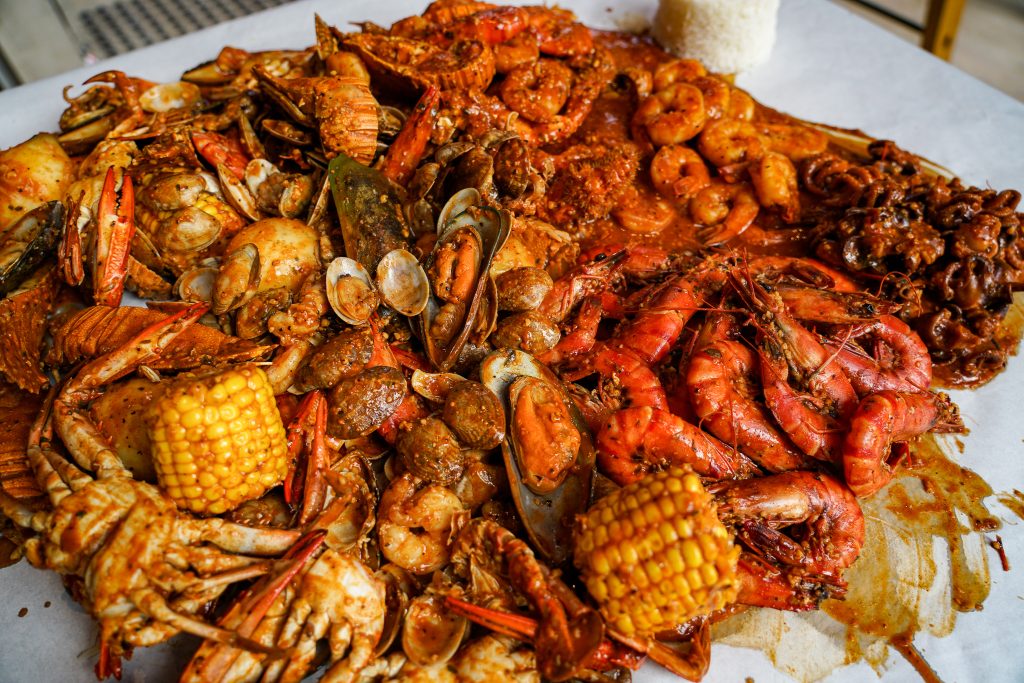
A seafood boil is an interactive, communal dining experience where fresh seafood is cooked together with spices, corn, and potatoes, then served directly on your table or in bags. In contrast, a seafood buffet presents pre-cooked dishes displayed on warming trays where diners serve themselves from a variety of prepared options.
Each style has its own unique atmosphere, pricing structure, and social dynamic. Whether you prefer the hands-on excitement of cracking shells and getting messy, or the convenience of sampling multiple dishes at your own pace, there’s a seafood dining experience that matches your preferences.
How Does the Seafood Boil Experience Work
The seafood boil dining concept centres around freshly cooked seafood that’s prepared to order and served in a distinctly casual, interactive format. Unlike traditional restaurant service, seafood boils encourage diners to roll up their sleeves and dive in with their hands.
What Makes Seafood Boil Service Unique
Most seafood boil restaurants serve your meal in large plastic bags or directly on paper-covered tables. This approach has gained popularity because it’s both efficient for restaurants and creates an authentic, no-fuss atmosphere. The bags help contain the flavourful juices and spices while making cleanup easier for both diners and staff.
The cooking process involves boiling seafood items like prawns, crab, mussels, and crawfish together with vegetables such as corn on the cob, potatoes, and sausage. Traditional recipes confirm this method allows the flavours to meld beautifully while ensuring everything reaches the perfect doneness at the same time. Everything is seasoned with bold spice blends before being cooked together in large pots.
What to Expect During Your Visit
When you order a seafood boil, you typically choose from different seafood combinations and spice levels. The restaurant prepares your selection fresh, though it’s worth noting that cooking times for complete seafood boils are typically longer than the quick service many expect, as proper preparation involves careful timing to ensure all ingredients are perfectly cooked. Once ready, your feast arrives at the table along with crackers, picks, and plenty of napkins.
The social aspect is fundamental to the seafood boil experience. Tables are often covered with paper or plastic, and diners share the communal pile of seafood, getting messy and chatting while they work to extract meat from shells. Restaurant experts describe this format as fostering natural conversation and creating memorable shared experiences, though it’s designed to be relaxed, fun, and interactive.
How Do Seafood Buffets Operate
Seafood buffets follow the traditional self-service model where prepared dishes are displayed on warming stations and diners create their own plates. This format prioritises variety and convenience over the interactive cooking experience.
What Types of Food Are Available
A typical seafood buffet includes both hot and cold options. Industry menus commonly feature hot dishes like fried prawns, grilled fish, seafood pasta, chowders, and various preparations of crab and lobster, alongside cold sections with items such as prawns on ice and seafood salads. While many venues offer sushi and other specialised items, the specific offerings can vary significantly between establishments.
Many seafood buffets also include non-seafood options such as roasted meats, salads, vegetables, and desserts. This variety makes buffets appealing to groups with mixed preferences or families with children who might not enjoy seafood.
How Pricing and Service Work
Buffets typically charge a fixed price per person, often with different rates for adults and children. Some offer time-limited seatings, particularly during peak hours or for premium seafood items like crab legs or lobster. The all-you-can-eat model appeals to diners who want to sample multiple dishes or those with hearty appetites.
Service is minimal since diners serve themselves, though staff maintain the buffet stations and clear plates from tables. This can result in faster turnover and lower labour costs, which often translates to competitive pricing for the amount of food available.
What Are the Key Differences in Atmosphere and Experience
The dining atmosphere differs dramatically between seafood boils and buffets, affecting everything from how long you stay to what you wear.
| Aspect | Seafood Boil | Seafood Buffet |
|---|---|---|
| Atmosphere | Casual, interactive, communal | Relaxed, self-paced, varied |
| Mess Factor | High – hands-on eating expected | Low – utensil-friendly options |
| Social Dynamic | Encourages sharing and interaction | Individual choice and exploration |
| Meal Duration | 1.5-2.5 hours typically | 45 minutes to 1.5 hours |
| Customisation | Spice levels and seafood combinations | Portion control and dish selection |
Which Experience Suits Different Occasions
Seafood boils excel for celebratory occasions, date nights where you want to be playful, or group gatherings where the shared experience is part of the entertainment. The hands-on nature and extended meal time create natural conversation opportunities and memorable experiences.
Buffets work better for business meals, families with picky eaters, or when you want to control your portion sizes precisely. Event planning guidelines suggest buffet service typically takes 45 minutes to just over an hour, making them ideal when you have limited time or prefer to avoid getting messy while eating.
How Do Costs and Value Compare
Pricing structures differ significantly between these dining formats, affecting both the upfront cost and overall value proposition.
Understanding Seafood Boil Pricing
Seafood boils typically price by the type and quantity of seafood ordered. Premium items like crab and lobster cost more per serving than prawns or mussels. Many restaurants offer combination packages or “mixed bags” that provide better value when ordering multiple seafood types.
The portion sizes in seafood boils are generally substantial, with most single servings easily feeding one hungry adult. However, the interactive eating style means you’ll spend more time extracting meat from shells, which can make smaller portions feel more satisfying than they might initially appear.
How Buffet Value Works
All-you-can-eat pricing for seafood buffets typically ranges from moderate to expensive, depending on the quality and variety of seafood offered. The value depends heavily on your appetite and willingness to try different dishes.
For diners who eat modest portions or prefer to stick to familiar foods, buffets may not provide optimal value. However, those who enjoy sampling various preparations and have healthy appetites often find buffets economical, especially when premium items like crab legs are included.
Hidden Costs to Consider
Seafood boils may include additional charges for extra spice blends, premium seasonings, or extra vegetables. Some restaurants also charge separately for drinks, sides, or desserts that might be included in buffet pricing.
Buffets sometimes add charges for excessive plate waste or premium weekend pricing. It’s worth checking whether drinks, desserts, and service charges are included in the advertised price.
Which Option Works Best for Different Groups
Your dining companions and the occasion often determine which format provides the better experience.
When Seafood Boils Are the Better Choice
Groups seeking an interactive, social experience benefit most from seafood boils. The shared nature of the meal naturally encourages conversation and creates lasting memories. This format works particularly well for:
- Date nights where you want a playful, memorable experience
- Friend groups celebrating special occasions
- Adults who enjoy hands-on dining and don’t mind getting messy
- Diners who appreciate bold, spicy flavours and freshly cooked seafood
- Groups with similar seafood preferences and spice tolerance
The communal aspect means everyone at the table should be comfortable with the casual, messy nature of the experience. It’s less suitable for formal occasions or when diners have vastly different seafood preferences.
When Buffets Provide Better Value
Seafood buffets excel when variety and individual choice matter more than shared experiences. They can accommodate different preferences and dietary requirements, though catering experts emphasise that successfully managing food allergies, particularly seafood allergies, requires careful planning and additional precautions beyond what typical buffet service alone can provide:
- Families with children who may prefer non-seafood options
- Business meals where time and cleanliness are important
- Groups with diverse tastes (though those with seafood allergies may need special arrangements)
- Diners who want to sample many different preparations
- Those with time constraints who need to eat quickly
Buffets also work well when you’re unsure about portion sizes or want to control exactly what goes on your plate.
What About Home Alternatives and AYCE Options
Both dining styles have evolved to include variations that bridge the gap between restaurant experiences and home cooking.
Growing Popularity of All-You-Can-Eat Seafood Boils
Some restaurants now offer unlimited seafood boil experiences, typically charging a fixed price for continuous refills of boiled seafood. These hybrid offerings combine the interactive boil experience with the value proposition of buffet-style pricing.
While the evidence around specific operating practices is still emerging, these venues often need to balance the interactive experience with practical considerations around timing and premium seafood availability. This format appeals to groups who love the boil experience but want predictable costs and the ability to try multiple combinations.
Home Seafood Boil Considerations
Creating seafood boils at home has become increasingly popular as specialty equipment and spice blends become more accessible. Home catering services demonstrate that home boils can provide significant cost savings, especially for large groups, while allowing complete control over ingredients and spice levels.
The main challenges involve sourcing fresh seafood, having adequate cooking equipment, and managing the cleanup process. However, many find that home boils create an even more intimate, customisable experience than restaurant versions.
What the Research Says About Seafood Dining Experiences
Understanding how different dining formats work can help you make the best choice for your group and occasion:
- Traditional seafood boil recipes consistently show the benefits of cooking seafood and vegetables together with bold spices, creating enhanced flavour profiles
- Buffet-style service generally allows for quicker meal completion, with most dining experiences lasting under 1.5 hours
- The evidence on timing expectations is mixed – while seafood boils create memorable social experiences, preparation times may be longer than many diners initially expect
- Food safety considerations are particularly important for seafood allergies, with experts noting that buffet environments require additional precautions and planning
- Both formats can accommodate different group sizes and preferences, though the social dynamics differ significantly
How to Choose the Right Experience for Your Next Meal
Selecting between a seafood boil and buffet depends on weighing several practical and experiential factors against your specific situation and preferences.
Questions to Ask Before Deciding
Consider these key factors when planning your seafood dining experience:
- How much time do you have? Seafood boils require more time for both cooking and eating, while buffets offer quicker service
- What’s the group dynamic? Boils work better for close friends or family, while buffets accommodate diverse groups more easily
- How important is variety? Buffets offer more options, while boils focus on perfecting specific combinations
- What’s your comfort level with messy eating? Boils require getting your hands dirty, while buffets offer fork-friendly options
- Are you celebrating something special? Boils create more memorable, interactive experiences for celebrations
Making the Most of Your Choice
Regardless of which format you choose, certain strategies can enhance your experience. For seafood boils, arrive hungry and prepared to get messy – wear casual clothes and remove any rings or watches that might get damaged by spices or seafood juices.
For buffets, start with smaller portions to sample different options before committing to larger servings. Focus on items that are best served hot and fresh, and save room for premium offerings that provide the best value for the fixed price.
Both seafood boils and buffets have their place in Australia’s diverse dining scene. The choice ultimately comes down to what type of experience you’re seeking – the interactive, flavour-forward adventure of a boil, or the variety and convenience of a well-stocked buffet.
Key Takeaways for Your Seafood Dining Decision
Understanding the fundamental differences between seafood boils and buffets helps you choose the experience that best matches your occasion, group, and preferences.
Seafood boils offer an interactive, social dining experience centred around freshly cooked, boldly spiced seafood served in a casual, hands-on format. They’re ideal for celebrations, close groups, and diners who enjoy the process of eating as much as the food itself.
Seafood buffets provide variety, convenience, and individual choice in a more traditional restaurant setting. They work best for mixed groups, time-conscious diners, and those who prefer to sample many different seafood preparations.
Both options can provide excellent value and memorable meals when matched to the right occasion. Consider your group dynamics, time constraints, and desired atmosphere when making your choice. Whether you’re cracking shells at a communal boil or exploring diverse offerings at a buffet, Australia’s seafood dining scene offers exceptional experiences for every preference.
Think you have what it takes to work at Kickin'Inn?
Fill out an expression of interest form here. We strive to respond to all applicants as promptly as possible. We look forward to hearing from you!