Choosing the perfect oyster for your seafood feast can feel overwhelming when you’re faced with Atlantic versus Pacific varieties. Whether you’re planning a romantic date night, gathering the crew for a messy seafood boil, or just curious about what makes these ocean gems so different, understanding the key distinctions between Atlantic and Pacific oysters will help you make the best choice for your taste buds and dining style.
The main difference between Atlantic and Pacific oysters lies in their flavour profiles, shell shapes, and growing environments. Atlantic oysters deliver a crisp, briny punch with flatter, teardrop-shaped shells, while Pacific oysters offer incredible variety in taste and texture with deeper, more curved shells. Each type brings its own personality to the table, making them suited for different preparations and preferences.
Let’s dive into what sets these two oyster families apart, so you can order with confidence and get the most out of your next seafood adventure 🦪
What Makes Atlantic Oysters Special
Atlantic oysters are the quintessential choice for anyone craving that classic, clean ocean taste. These beauties are known for their pronounced saltiness and crisp finish that makes your mouth water for the next slurp.
How Do Atlantic Oysters Taste and Look
The hallmark of Atlantic oysters is their heavy, briny flavour that hits you straight away. They’re typically flatter and more teardrop-shaped than their Pacific cousins, with shells that are easier to shuck and perfect for that classic half-shell presentation. The meat inside tends to be firmer and less creamy, delivering a sharp, clean taste that seafood lovers describe as the “true” oyster experience.
Some of the most celebrated Atlantic varieties come from Prince Edward Island and New Brunswick, where cold waters and optimal growing conditions create oysters with exceptional clarity of flavour. These regions consistently produce oysters with that perfect balance of sweet and salty that makes them ideal for raw consumption.
When Are Atlantic Oysters the Best Choice
Atlantic oysters shine when you want that traditional oyster experience. They’re perfect for:
- First-time oyster eaters who want to understand what the fuss is about
- Raw bar presentations where you want clean, briny flavours
- Pairing with crisp wines or classic cocktails
- Situations where you want the oyster flavour to stand out clearly
Their slim profile and intense brininess make them less suitable for grilling, but they’re absolute champions when served fresh on the half shell with just a squeeze of lemon.

What Sets Pacific Oysters Apart
Pacific oysters are the adventurous choice, offering an incredible range of flavours and textures that can surprise even experienced oyster enthusiasts. These varieties showcase just how diverse the oyster world can be, with each growing region producing distinct characteristics.
How Do Pacific Oysters Differ in Taste and Texture
Pacific oysters typically offer a milder, more complex flavour profile compared to their Atlantic counterparts. You might taste notes of melon, butter, cucumber, or even subtle mineral undertones depending on where they’re grown. They tend to be less salty overall, with a creamier texture that can range from smooth to slightly firm.
The shells are generally deeper and more curved, which means larger oysters can develop richer, sometimes coppery flavours. This depth also makes them excellent candidates for grilling or roasting, as they hold their shape well and the meat doesn’t get lost in the cooking process.
Why Pacific Northwest Varieties Stand Out
The Pacific Northwest has earned a reputation for producing some of the world’s most exceptional oysters. The region’s pristine cold waters, steady temperatures, and ideal salinity levels create perfect growing conditions that result in oysters with remarkable flavour diversity.
From Washington’s Hood Canal to British Columbia’s coastal waters, Pacific Northwest oysters can range from minerally and crisp to rich and buttery. Some varieties offer sweet notes that balance beautifully with their natural brininess, while others develop complex umami characteristics that make them perfect for cooking applications.
The region also produces rare varieties like Olympia oysters, which are prized for their unique, distinctive flavour that you simply can’t find anywhere else. These specialty oysters appeal to adventurous eaters looking for something truly different.
Which Oysters Work Best for Different Preparations
Understanding how each oyster type performs in different preparations can help you make the right choice for your dining experience, whether you’re slurping them raw or incorporating them into a cooked dish.
Raw Versus Cooked Applications
For raw consumption, Atlantic oysters generally take the crown with their crisp, clean flavour and manageable size. Their pronounced brininess and firm texture make them ideal for classic raw bar presentations, and they pair beautifully with traditional accompaniments like mignonette or cocktail sauce.
Pacific oysters, particularly the larger varieties, often perform better when cooked. Their deeper shells make them perfect for grilling, roasting, or incorporating into seafood boils where their creamier texture and complex flavours can really shine. The cooking process mellows any coppery notes while intensifying their natural sweetness.
| Preparation Style | Atlantic Oysters | Pacific Oysters
|
|---|---|---|
| Raw on half shell | Excellent – crisp and briny | Good (choose smaller sizes) |
| Grilling or roasting | Limited (too thin) | Excellent – holds shape well |
| Seafood boils | Good for mixed texture | Great – adds creaminess |
| Wine pairing | Crisp whites, champagne | Richer whites, light reds |
How Size Affects Your Experience
Size matters more than you might think when choosing oysters. Smaller oysters, regardless of type, tend to be sweeter and more tender, making them ideal for raw consumption. As oysters grow larger, their flavours intensify and can become more complex, but potentially overwhelming for some palates.
Large Pacific oysters can develop a coppery or metallic taste that some find off-putting when eaten raw, but this same intensity makes them fantastic for grilling where the heat balances out the strong flavours. Atlantic oysters generally maintain their crisp character regardless of size, though larger ones can become quite briny.
Where Growing Conditions Shape Flavour
The environment where oysters grow plays a massive role in their final flavour profile. Understanding these influences helps explain why oysters from different regions can taste so dramatically different, even within the same species.
How Ocean Salinity Affects Taste
Ocean salinity is one of the biggest factors in oyster flavour development. Atlantic waters tend to be saltier, which directly translates to that characteristic briny punch in Atlantic oysters. The consistent salinity levels along the Atlantic coast create oysters with predictable, clean flavours that many consider the gold standard.
Pacific waters vary more in salinity depending on freshwater inputs from rivers and seasonal changes. This variation creates the incredible diversity of flavours found in Pacific oysters, from sweet and mild to rich and complex. Areas with more freshwater influence tend to produce sweeter oysters, while fully marine environments create more traditionally briny varieties.
Why Water Temperature Matters
Colder waters generally produce firmer, more flavourful oysters with better shelf life. This is why some of the best Pacific oysters come from the chilly waters of the Pacific Northwest, where stable cold temperatures allow oysters to develop slowly and build complex flavours.
Interestingly, some Atlantic oysters grown on the West Coast benefit from these optimal cold-water conditions year-round. These premium oysters command higher prices because they combine the classic Atlantic flavour profile with the superior growing conditions of the Pacific coast.
What About Regional Preferences and Availability
Your personal oyster preference often reflects what you grew up eating and what’s readily available in your area. This regional influence shapes not just individual tastes, but entire dining cultures around oyster consumption.
How Growing Up Shapes Oyster Preferences
Many oyster enthusiasts find themselves naturally drawn to varieties similar to what they first experienced. If you grew up near the Atlantic coast, that sharp, briny flavour might represent “real” oysters to you. Pacific coast natives often prefer the more varied, complex flavours of their local varieties.
This doesn’t mean you’re stuck with one type forever. Many oyster lovers report that their palates evolved over time, learning to appreciate different flavour profiles and discovering new favourites through careful tasting and comparison.
Which Regions to Avoid and Why
Not all oyster-growing regions are created equal. Gulf oysters, for instance, are widely considered inferior in flavour quality compared to both Atlantic and Pacific varieties. The warmer waters and different environmental conditions create oysters that many find less appealing, with muddier flavours and softer textures.
When choosing oysters, stick to reputable growing regions known for quality. For Atlantic varieties, look for oysters from Prince Edward Island, New Brunswick, or other cold-water Atlantic locations. For Pacific oysters, the Pacific Northwest consistently produces exceptional quality, though California and British Columbia also offer excellent options.
How to Choose the Right Oysters for Your Occasion
Selecting the perfect oysters depends on your specific situation, from intimate date nights to big group celebrations. Here’s how to match oyster types to your dining goals and make sure everyone leaves happy and satisfied.
What Works Best for Different Group Sizes
For intimate dinners or date nights, Atlantic oysters often work better because their clean, consistent flavour appeals to most palates without being too adventurous. They’re also easier to eat elegantly, which matters when you’re trying to impress someone special.
Large group gatherings benefit from variety. Offering both Atlantic and Pacific options lets everyone find something they enjoy, and it makes for great conversation as people compare flavours and share their preferences. Consider ordering a mix that includes:
- Classic Atlantic varieties for traditionalists
- Mild Pacific options for adventurous beginners
- One or two specialty varieties for the true oyster enthusiasts in your group
When to Prioritise Cooking Over Raw Service
If your group includes oyster skeptics or people new to shellfish, cooked preparations can be more approachable. Pacific oysters excel in grilled applications, where their natural creaminess becomes even more appealing and any intimidation factor disappears.
For seafood boils and similar messy, social dining experiences, Pacific oysters often work better because their robust flavour holds up well against bold seasonings and spices. Their deeper shells also make them easier to handle when everything’s covered in sauce and you’re eating with your hands.
How to Balance Quality and Budget
Premium oyster varieties can add up quickly, especially for large groups. Atlantic oysters from well-known regions often cost more than Pacific varieties, but you don’t always need to go for the most expensive option to get great flavour.
Consider mixing premium varieties with more affordable but still high-quality options. This way, you get to experience the best flavours while keeping costs reasonable. Many restaurants also offer oyster specials during certain hours or days of the week, making it easier to try premium varieties without breaking the budget.
Making the Most of Your Oyster Experience
Now that you understand the key differences between Atlantic and Pacific oysters, it’s time to put that knowledge to delicious use. Whether you’re heading out for a seafood feast or planning your own oyster adventure, these practical tips will help you get the most flavour and fun from every shell.
How to Order Like a Pro
When ordering oysters, don’t be afraid to ask questions about origin, size, and preparation recommendations. Good servers love sharing their knowledge about different varieties and can guide you toward options that match your preferences and the occasion.
Start with smaller portions if you’re trying new varieties, especially if you’re dining with others who might want to share and compare. Most restaurants are happy to do mixed dozen orders that let you sample different types without committing to a full serve of something you might not love.
For group dining, consider ordering oysters in stages rather than all at once. This keeps them at optimal temperature and freshness while giving you a chance to reorder favourites or try something different based on how the first round goes.
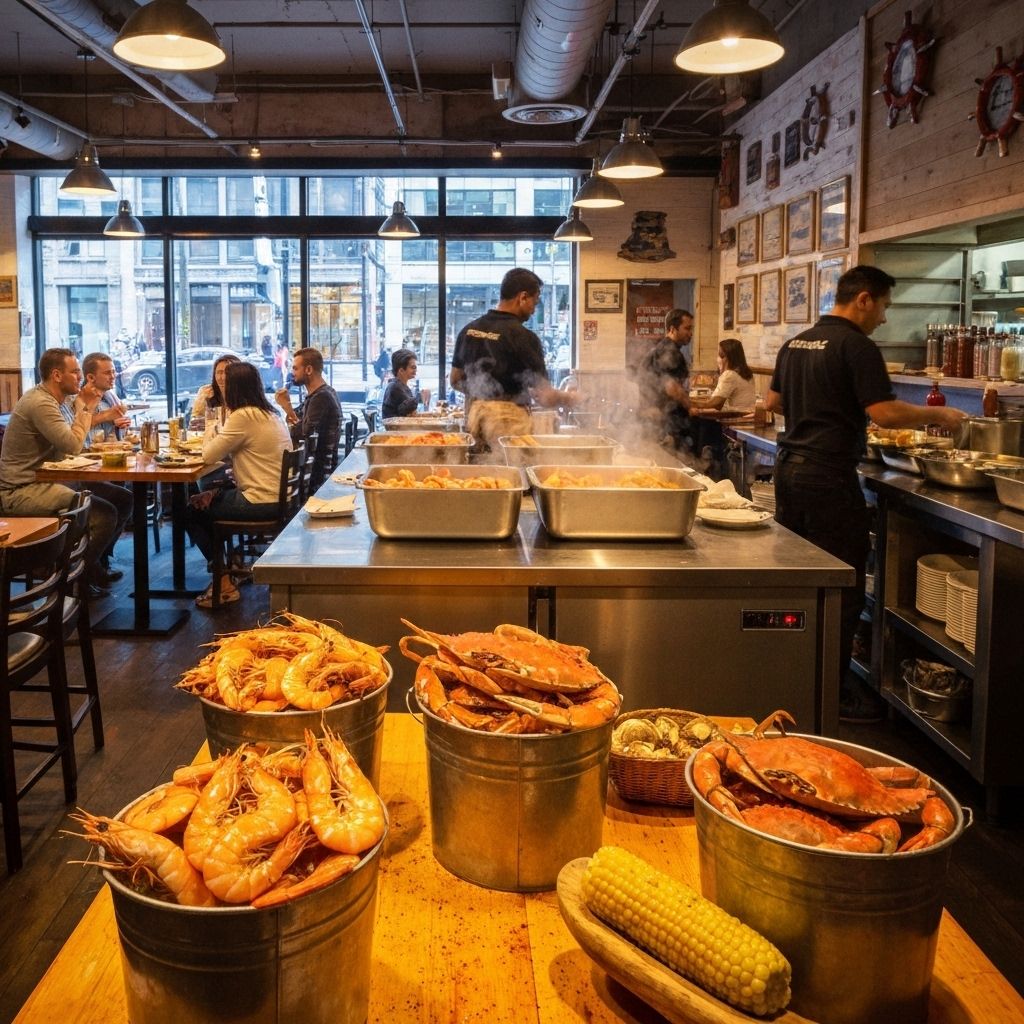
Ready to put your newfound oyster knowledge to the test? Come experience the difference for yourself at Kickin’Inn, where we serve up fresh oysters alongside our famous seafood boils. Whether you prefer the classic brininess of Atlantic varieties or want to explore the complex flavours of Pacific oysters, our team can help you choose the perfect selection for your group. Book your table and get ready for a hands-on seafood adventure that’ll have you slurping, cracking, and discovering new favourites in our signature messy-but-magnificent style 🦪🦐
Key Takeaways for Your Next Oyster Adventure
Understanding the differences between Atlantic and Pacific oysters opens up a whole world of flavour possibilities. Atlantic oysters deliver that classic, crisp brininess that defines the traditional oyster experience, while Pacific varieties offer incredible diversity and complexity that can surprise and delight even experienced seafood lovers.
Remember that personal preference plays a huge role in oyster enjoyment. What tastes perfect to one person might be too briny or too mild for another, and that’s completely normal. The best approach is to stay curious, try different varieties, and pay attention to what you enjoy most.
Whether you choose Atlantic oysters for their reliable, clean flavour or Pacific varieties for their adventurous complexity, you’re in for a treat. Both types bring something special to the table, and understanding their unique characteristics helps ensure your next seafood experience is everything you hoped for and more.
Think you have what it takes to work at Kickin'Inn?
Fill out an expression of interest form here. We strive to respond to all applicants as promptly as possible. We look forward to hearing from you!