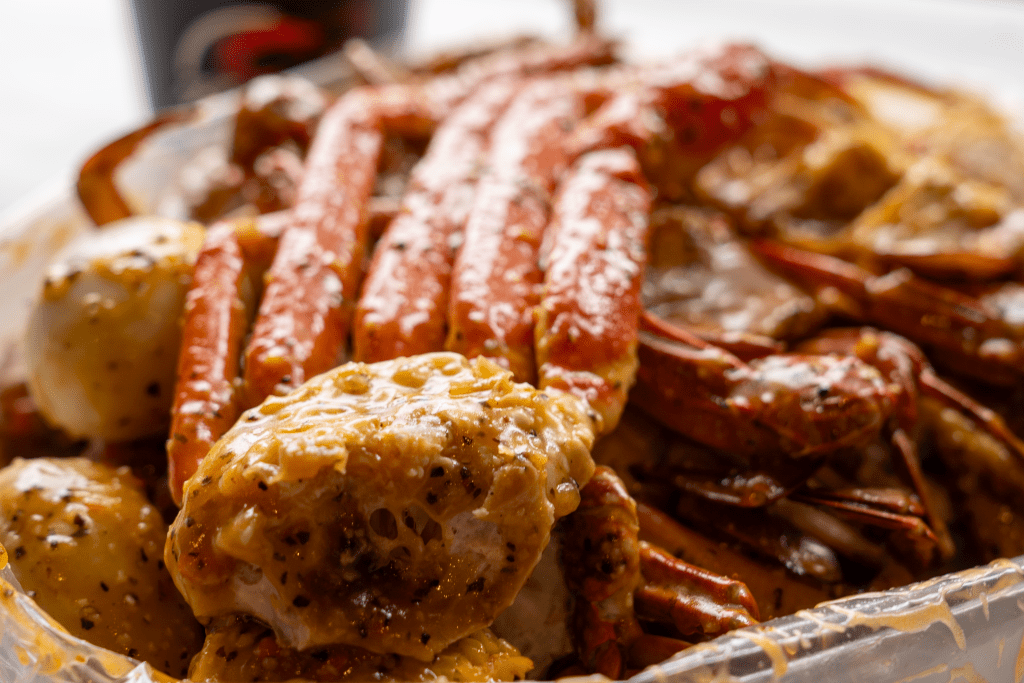
When you’re browsing a seafood restaurant menu, the variety of crab options can feel overwhelming. From sweet Dungeness to impressive Alaskan King crab, each type brings its own unique flavour profile, texture, and dining experience. Understanding the most popular types of crab served in restaurants helps you make confident choices and discover new favourites that match your taste preferences.
The world of restaurant crab extends far beyond the standard “crab cakes” or “crab salad” offerings. Different regions specialise in particular varieties, each with distinct characteristics that influence both preparation methods and pricing. Whether you’re seeking the sweetest meat, the most substantial portions, or the most interactive dining experience, knowing what makes each type special ensures you’ll order with confidence.
This guide explores the most celebrated crab varieties you’ll encounter in restaurants, from the consensus favourites that appear on menus nationwide to regional specialities that offer unique culinary adventures.
Which Crab Types Dominate Restaurant Menus
Restaurant crab selections commonly feature several primary varieties, though industry sources suggest the exact number varies, each offering distinct advantages for different dining preferences and preparation styles. Understanding these core options helps diners navigate menus more effectively and set appropriate expectations for their meal.
How Do Regional Preferences Shape Restaurant Offerings
Geographic location significantly influences which crab types restaurants feature prominently. West Coast establishments frequently showcase Dungeness crab due to local sourcing advantages and cultural preferences. East Coast venues often emphasise blue crab preparations, particularly in regions with strong maritime traditions. Meanwhile, Alaskan King crab appears consistently across diverse locations despite its premium pricing, though industry data on its geographic distribution remains mixed.
The popularity patterns reflect both ingredient availability and regional culinary traditions. Restaurants typically feature local varieties as signature items while offering widely recognised options like King crab to satisfy diverse customer expectations.
| Crab Type | Primary Regions | Restaurant Popularity | Price Range |
|---|---|---|---|
| Dungeness | West Coast | Very High | Moderate to High |
| Blue Crab | East Coast, Gulf | Very High | Moderate |
| Alaskan King | Nationwide | High | Premium |
| Snow Crab | Nationwide | High | Moderate |
| Stone Crab | Southeast, Florida | Medium | High |
What Makes Dungeness Crab a Restaurant Favourite
Dungeness crab stands out as a highly favoured choice among seafood enthusiasts, particularly for its exceptional sweetness and balanced flavour profile. This West Coast specialty delivers quality that makes it a reliable menu option for restaurants seeking to showcase premium seafood, though evidence suggests meat yield can vary significantly depending on seasonal factors.
Why Do Diners Choose Dungeness Over Other Options
The appeal of Dungeness crab lies in its naturally sweet meat that doesn’t require heavy seasoning or elaborate preparation to shine. Unlike some crab varieties that can taste overly briny or require strong flavour additions, Dungeness offers a clean, oceanic sweetness that satisfies both seafood newcomers and experienced diners.
Restaurant preparation typically emphasises the crab’s natural qualities rather than masking them. Popular serving methods include:
- Simple steamed presentations with butter and lemon
- Incorporation into pasta dishes where the crab flavour remains prominent
- Cold preparations that highlight the sweet meat texture
- Light seasoning blends that complement rather than overpower
While restaurants appreciate Dungeness crab for its quality, portion control can be challenging as meat yield varies considerably with size and seasonal conditions.
What Should You Expect From Restaurant Dungeness Preparations
Fresh Dungeness crab typically arrives at restaurants from Pacific Coast fisheries, though seasonal availability can affect pricing and menu placement. The meat offers a firm yet tender texture with a distinctly sweet flavour that distinguishes it from Atlantic varieties.
Most restaurants serve Dungeness either whole or as picked meat in composed dishes. Whole preparations allow diners to experience the interactive aspect of crab dining, while picked meat applications showcase the ingredient in refined presentations without the work.
How Do Blue Crabs Define East Coast Dining
Blue crabs hold special significance in East Coast restaurant culture, particularly in regions around the Chesapeake Bay where they represent both culinary tradition and local identity. These crabs offer a distinct flavour profile that differs markedly from their West Coast counterparts.
What Sets Chesapeake Bay Blue Crabs Apart
Blue crabs from the Chesapeake Bay region are widely considered the pinnacle of this variety due to the unique environmental conditions that influence their flavour development. The brackish waters create ideal growing conditions that produce crabs with particularly sweet, delicate meat.
Restaurant preparations often celebrate the regional connection through traditional cooking methods and signature seasonings. Classic presentations include:
- Steamed blue crabs with regional spice blends
- Crab cakes that highlight the meat’s natural sweetness
- Soft-shell preparations during moulting season
- Traditional crab boils with local seasoning traditions
The cultural significance extends beyond flavour, as many restaurants emphasise the authenticity and provenance of their blue crab sourcing to attract diners seeking genuine regional experiences.
How Do Different Regions Prepare Blue Crabs
While Chesapeake Bay blue crabs receive widespread recognition, other regions offer distinct preparation styles that create unique dining experiences. Louisiana establishments often incorporate blue crabs into Cajun and Creole preparations that emphasise bold spicing and complex flavour combinations.
The Vietnamese-Cajun fusion approach has gained particular recognition for its innovative seasoning blends that complement the crab’s natural sweetness while adding aromatic complexity. This style demonstrates how traditional ingredients can evolve through cultural exchange and creativity.
Why Does Alaskan King Crab Command Premium Status
Alaskan King crab is often positioned as a premium offering in restaurant settings, commanding higher prices while delivering an impressive dining experience that justifies the investment for many seafood enthusiasts, though its ranking among crab varieties isn’t definitively established across the industry.
What Quality Factors Drive King Crab Popularity
The exceptional taste of Alaskan King crab stems from the cold, nutrient-rich waters where these crabs develop. The harsh environment produces meat with remarkable sweetness and a substantial, satisfying texture that distinguishes it from smaller varieties.
King crab legs offer practical advantages that appeal to restaurant diners seeking value for premium pricing:
- Large meat portions that provide substantial satisfaction
- Easy extraction that minimises dining frustration
- Consistent quality even when previously frozen
- Impressive presentation that enhances the dining experience
The size and visual impact of King crab legs create a sense of occasion that makes them popular for special dining experiences and celebrations.
How Do Restaurants Handle King Crab Availability
Most restaurants serve previously frozen Alaskan King crab due to the remote harvesting locations and seasonal fishing restrictions. Quality processing and storage techniques ensure that frozen King crab maintains excellent flavour and texture, making year-round availability possible.
Restaurant preparation typically focuses on gentle warming methods that preserve the meat’s natural characteristics while ensuring food safety. Simple preparations allow the crab’s inherent quality to shine without unnecessary complication.
What Other Crab Varieties Offer Unique Experiences
Beyond the mainstream favourites, several crab varieties provide distinctive dining experiences for adventurous diners seeking something different from standard menu offerings.
How Do Stone Crabs Provide Premium Dining
Stone crab claws represent a luxury dining experience characterised by sweet, lobster-like meat and sustainable harvesting practices. Only the claws are harvested, allowing the crab to regenerate them, which creates a renewable resource that appeals to environmentally conscious diners.
The preparation typically emphasises the meat’s natural qualities through minimal cooking and classic accompaniments. Stone crab season creates limited-time menu opportunities that generate excitement among seafood enthusiasts.
What Role Does Snow Crab Play in Restaurant Menus
Snow crab offers an accessible middle ground between premium King crab and smaller varieties. The sweet, delicate meat provides good value while delivering satisfying portions that work well in both casual and upscale restaurant settings.
Restaurant preparations often feature snow crab in combination dishes or as components in seafood platters where variety enhances the overall dining experience.
| Preparation Style | Best Crab Types | Dining Experience | Skill Required |
|---|---|---|---|
| Steamed Whole | Blue, Dungeness | Interactive | Moderate |
| Picked Meat Dishes | All varieties | Refined | Minimal |
| Crab Legs | King, Snow | Satisfying | Low |
| Soft Shell | Blue (seasonal) | Unique | None |
How Should You Choose Between Different Crab Types
Selecting the right crab type depends on several factors including flavour preferences, dining style, budget considerations, and regional availability. Understanding these decision points helps ensure a satisfying restaurant experience.
What Factors Influence Your Best Choice
Consider your tolerance for hands-on dining when choosing between whole crab presentations and picked meat preparations. Whole crabs provide interactive experiences but require time and effort, while prepared dishes offer convenience and refined presentation.
Budget considerations play a significant role in crab selection. Premium varieties like King crab and Stone crab command higher prices but offer exceptional quality, while blue crab and snow crab provide excellent value for money.
Flavour intensity preferences guide selection between subtly sweet varieties and those with more pronounced oceanic characteristics. First-time crab diners often prefer milder options like Dungeness or King crab before exploring more distinctive varieties.
When Should You Trust Restaurant Recommendations
Restaurant staff recommendations often reflect current quality and preparation strengths. Seasonal availability affects both freshness and pricing, making server guidance valuable for optimal selection.
Regional specialities typically receive more attention and better preparation at restaurants with local connections. Establishments near crab harvesting areas often provide superior examples of their regional varieties.
What Should You Know About Crab Dining Etiquette
Proper crab dining involves practical considerations and social awareness that enhance the experience for everyone at the table. Understanding basic techniques and expectations prevents frustration and allows focus on enjoyment.
How Do You Navigate Hands-On Crab Dining
Whole crab presentations require specific tools and techniques that restaurants typically provide along with instruction for unfamiliar diners. Essential tools include crackers, picks, and often small hammers for accessing meat efficiently.
The process involves systematic approach rather than random cracking. Starting with larger, easier-to-access portions builds confidence before tackling smaller, more challenging areas. Most restaurants provide finger bowls and plenty of napkins to manage the inherently messy nature of whole crab dining.
Consider the social context when ordering whole crabs, as the time and attention required may not suit every dining situation. Business meals and romantic dinners often work better with picked meat preparations that allow conversation to flow naturally.
How Can You Enjoy Premium Crab Experiences
Experiencing the best that restaurant crab offerings provide requires understanding quality indicators, seasonal timing, and preparation methods that showcase each variety’s strengths.
What Timing Considerations Affect Quality
Seasonal availability significantly impacts both quality and pricing for different crab varieties. Research shows that timing affects crab size and meat quality, with peak seasons varying by species. Dungeness crab season typically runs from late autumn through early spring, while blue crab peaks during warmer months. Stone crab season creates limited windows of availability that generate anticipation among enthusiasts.
Understanding these patterns helps diners time their restaurant visits for optimal experiences while avoiding periods when frozen alternatives replace fresh options.
For the ultimate hands-on seafood experience with bold flavours and fresh preparation, consider exploring specialised seafood establishments that focus on traditional boil preparations and interactive dining styles.
What the Research Says About Restaurant Crab Varieties
Understanding the evidence behind popular crab choices helps diners make informed decisions about their seafood dining experiences.
- Studies confirm that regional sourcing significantly affects crab availability and quality in restaurants, with West Coast venues consistently featuring Dungeness crab and East Coast establishments specialising in blue crab preparations.
- Research demonstrates that Dungeness crab’s naturally sweet flavour profile makes it a standout choice, though meat yield consistency varies more than commonly believed.
- Evidence shows that Chesapeake Bay blue crabs consistently receive recognition as superior quality specimens, though population concerns affect restaurant availability.
- Industry data suggests that while Alaskan King crab commands premium pricing, its positioning as the definitive top-tier choice isn’t universally established across restaurant categories.
- Seasonal timing research confirms that harvest periods dramatically impact both quality and pricing, though optimal timing varies significantly between crab species and regions.
What Makes Each Crab Type Worth Trying
The diversity of crab types available in restaurants ensures that every diner can find varieties that match their preferences, budget, and dining style. From the sweet elegance of Dungeness to the impressive satisfaction of King crab legs, each type offers distinct advantages.
Understanding the characteristics, preparation methods, and cultural significance of different crab varieties enhances restaurant dining experiences and builds appreciation for this exceptional seafood category. Whether seeking familiar comfort or adventurous exploration, the world of restaurant crab provides endless opportunities for memorable meals.
The key lies in approaching crab dining with curiosity and realistic expectations, allowing each variety’s unique qualities to shine through proper preparation and mindful enjoyment.
Think you have what it takes to work at Kickin'Inn?
Fill out an expression of interest form here. We strive to respond to all applicants as promptly as possible. We look forward to hearing from you!