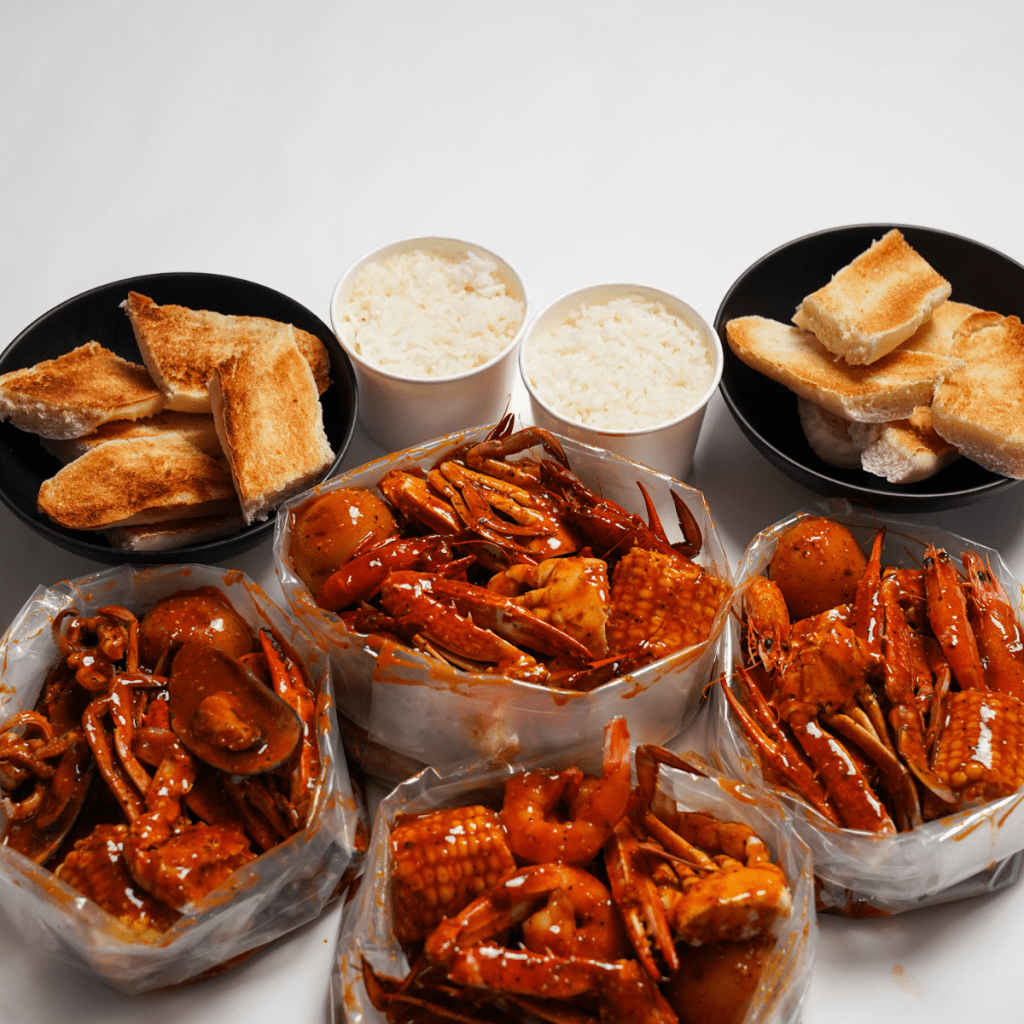
Ever found yourself staring at a menu wondering what the difference is between soft shell and hard shell crabs? You’re not alone! These two crab types might seem like completely different creatures, but here’s the kicker – they’re actually the same species caught at different times in their natural lifecycle. Understanding the soft shell hard shell crab difference can help you make the perfect choice for your next seafood feast.
Whether you’re planning a messy hands-on crab session with mates or trying to decide what’ll give you the most bang for your buck, knowing how these crustaceans work makes all the difference. Soft shell crabs offer a completely edible experience where you can crunch into the whole thing, while hard shell crabs require some serious shell-cracking action to get to that sweet meat inside. 🦀
Let’s dive into everything you need to know about these fascinating creatures, from their biology to how they end up on your plate, so you can order with confidence next time you’re eyeing up that seafood menu.
What Are Soft Shell Crabs and How Do They Form
Soft shell crabs aren’t a separate species – they’re typically blue crabs that have just completed one of nature’s most incredible transformations. When a crab outgrows its current shell, it literally sheds the entire thing in a process called moulting. For a brief window of time after this happens, the new shell underneath is completely soft and pliable.
Why Do Crabs Need to Moult Their Shells
Think of it like outgrowing your favourite jeans, but way more dramatic. As crabs grow, their hard exoskeleton becomes too tight and restrictive. Unlike us, they can’t just buy a bigger size – they have to completely abandon their old shell and grow a new one from scratch.
The moulting process is triggered by growth hormones and happens multiple times throughout a crab’s life, especially when they’re young and growing rapidly. During peak growing seasons, younger crabs might moult every few weeks, while mature crabs do it less frequently.
The timing is absolutely crucial – once a crab sheds its old shell, it has only a few hours before the new shell starts hardening. This narrow window is when commercial crab farmers and fishers swoop in to harvest them as soft shell crabs.

How Are Soft Shell Crabs Harvested
Soft shell crab farming is incredibly labour-intensive and requires constant monitoring. Farmers keep crabs in special holding systems and check them frequently – sometimes hourly during peak moulting season – to catch them at exactly the right moment after they’ve shed their shells.
The crabs must be harvested immediately after moulting because if you wait too long, the shell hardens and you’ve missed your chance. This precise timing requirement is one reason why soft shell crabs tend to be more expensive and seasonal compared to regular hard shell varieties.
What Makes Hard Shell Crabs Different
Hard shell crabs are the same species but caught when their shells have fully hardened and matured. These are what most people picture when they think of crabs – tough, protective shells that require some serious equipment (or strong hands) to crack open and access the meat inside.
How Do Hard Shell Crabs Develop Their Tough Exterior
After a crab moults, its soft new shell gradually hardens through a process called calcification. The crab pumps water into its body to expand the soft shell to its maximum size, then calcium carbonate deposits begin forming to create that rock-hard protective barrier we’re familiar with.
This hardening process takes several days to weeks, depending on the species and environmental conditions. Once fully hardened, these shells provide excellent protection from predators and allow the crab to function normally in its marine environment.
Hard shell crabs represent the mature, stable phase of the crab lifecycle, which is why they’re available year-round and generally more affordable than their soft shell counterparts.
| Aspect | Soft Shell Crabs | Hard Shell Crabs
|
|---|---|---|
| Shell texture | Soft, pliable, fully edible | Hard, protective, requires cracking |
| Availability | Seasonal, limited harvest window | Year-round availability |
| Price point | Generally more expensive | More affordable option |
| Eating method | Consume whole crab | Extract meat from shell |
| Preparation time | Quick cooking, minimal prep | Requires shell-cracking tools |
How Should Soft Shell Crabs Be Prepared and Cleaned
While soft shell crabs are completely edible, proper cleaning before cooking is essential for the best flavour and texture. The cleaning process removes parts that, while not harmful, can be unpleasant to eat or affect the overall taste experience.
What Parts Need to Be Removed From Soft Shell Crabs
Standard preparation involves removing three main components:
- The face – cutting off the front portion including the eyes and mouth parts
- The gills – removing the feathery gill structures on either side of the body
- The apron – lifting and removing the triangular flap on the underside that contains digestive contents
These parts aren’t dangerous to eat, but the gills have an unpleasant texture and the stomach contents can add bitter or muddy flavours that detract from the sweet crab meat. Professional cleaning ensures you get the pure, delicious crab flavour without any unwelcome surprises.
However, it’s worth noting that some restaurants may serve soft shell crabs with minimal cleaning, especially when they’re deep-fried. If you’re particular about preparation, don’t hesitate to ask your server about how they handle their soft shells.
Why Does Preparation Matter So Much
Proper preparation isn’t just about taste – it’s about ensuring every bite is enjoyable. Uncleaned soft shell crabs can have a “muddy” or overly briny flavour, and the texture of uncleaned gills can be off-putting for many diners.
The cleaning process also helps preserve the delicate sweet flavour that makes soft shell crabs such a prized delicacy. When done correctly, you should taste pure crab sweetness with none of the harsh or unpleasant notes that can come from digestive contents or gills.
Which Type of Crab Should You Choose
The choice between soft shell and hard shell crabs often comes down to your dining goals, experience level, and what kind of meal you’re after. Both offer unique advantages that suit different occasions and preferences.
When Are Soft Shell Crabs the Better Choice
Soft shell crabs shine when you want:
- A mess-free experience – no shell cracking required, just pure eating pleasure
- Unique texture – the combination of tender meat with a slight crunch from the soft shell
- Quick consumption – perfect for when you want to focus on conversation rather than wrestling with shells
- Culinary adventure – trying something many people haven’t experienced before
They’re fantastic for date nights or business meals where you want to enjoy great seafood without the hands-on mess that comes with traditional crab eating. The entire crab is edible, so there’s no waste and no need for shell-cracking tools.
When Hard Shell Crabs Make More Sense
Hard shell crabs are your go-to when you want:
- The classic crab experience – hands-on, social, and interactive dining
- Maximum meat yield – larger crabs often provide more substantial portions
- Better value – generally more affordable and available year-round
- Group dining fun – the communal aspect of everyone cracking shells together
Hard shell crabs are perfect for casual gatherings, family meals, or when you want that authentic “get your hands dirty” seafood experience. They’re also more widely available, making them a reliable choice regardless of season.
How Do Flavours Compare Between the Two
Both types offer that distinctive sweet crab flavour, but with subtle differences. Soft shell crabs provide a more concentrated taste experience since you’re eating the entire crab, shell included. The soft shell itself adds a slight briny note and unique texture that complements the sweet meat.
Hard shell crabs offer pure, sweet crab meat without any additional flavours from the shell. This allows the natural taste of the crab to shine through completely unimpeded. Many consider this the “purest” way to experience crab flavour.
Personal preference plays a huge role here – some diners love the complexity that comes with eating the whole soft shell crab, while others prefer the straightforward sweetness of extracted hard shell meat.
What Should You Expect From the Dining Experience
Understanding what you’re signing up for can make your crab dining experience much more enjoyable, whether you’re trying soft shells for the first time or introducing hard shell crabs to someone new to the seafood scene.
How Do You Actually Eat Soft Shell Crabs
Eating soft shell crabs is surprisingly straightforward. Once properly cleaned and cooked, you simply cut them into manageable pieces with a knife and fork, or pick them up and eat them like a sandwich if they’re prepared in a roll or burger style.
The texture is unique – you’ll get tender, sweet crab meat combined with the slight crunch of the soft shell. It’s not tough or chewy like you might expect; properly prepared soft shells have a pleasant, almost crispy texture that adds to rather than detracts from the eating experience.
Many diners are initially hesitant about eating the shell, but once they try it, they’re often surprised by how natural and enjoyable it feels. The shell adds a subtle oceanic flavour and satisfying texture contrast.
What’s the Hard Shell Crab Experience Like
Hard shell crab eating is definitely more of an event than a meal. You’ll typically be provided with crab crackers, small forks or picks, and plenty of napkins. The process involves systematically working through the crab to extract meat from various parts – claws, legs, and body.
This style of dining is inherently social and interactive. It takes time, requires focus, and naturally encourages conversation and shared experiences around the table. Many people find the process meditative and rewarding, especially when you hit a particularly meaty claw or leg section.
Expect to get your hands messy, and don’t be surprised if the meal takes longer than you initially planned. This is part of the charm – it’s about slowing down and savouring both the food and the company.
Are There Any Dietary Considerations
Both soft shell and hard shell crabs are naturally gluten-free and high in protein, making them suitable for many dietary requirements. However, preparation methods can affect this – breaded or battered soft shell crabs won’t be gluten-free, and cooking methods using shared oils may introduce cross-contamination concerns.
For those with shellfish allergies, both types are obviously off-limits. If you’re trying crab for the first time and have any concerns about seafood allergies, start with a small portion and be aware of any reactions.
From a halal perspective, the permissibility of eating crabs can vary depending on interpretation, so it’s worth checking with your local religious authority if this is a consideration for your dining choices.
How Can You Get the Best Value and Experience
Whether you’re planning a special occasion meal or just want to make the most of your crab dining budget, knowing when and how to order these delicacies can make a significant difference to both your wallet and your satisfaction.
When Should You Look for Soft Shell Crabs
Soft shell crab season typically runs from late spring through early autumn, with peak availability usually occurring during warmer months when crabs are actively moulting. Prices tend to be lower during peak season when supply is more abundant.
If you’re keen to try them, don’t wait until the end of the season – quality and availability can become inconsistent as the season winds down. The best soft shells are usually found early to mid-season when harvesting operations are running at full capacity.
Many restaurants will advertise when they have fresh soft shells available, as it’s often a limited-time offering that depends on successful harvesting conditions.
What Should You Know About Ordering for Groups
When ordering for a group, consider that different people have varying comfort levels with hands-on seafood eating. Hard shell crabs are great for social, casual dining where everyone can participate in the shell-cracking experience together.
Soft shell crabs work well when you want to share the experience without the mess, or when dining with people who might be intimidated by traditional crab preparation. They’re also excellent for mixed groups where some people want to focus on conversation rather than food preparation.
Consider portion sizes carefully – soft shell crabs are typically served as individual portions, while hard shell crabs can often be shared, though yields vary significantly based on the size and type of crab.
How Do You Know You’re Getting Quality
For soft shell crabs, look for places that can tell you when they received their shipment and how the crabs are prepared. Fresh soft shells should smell like the ocean – clean and briny – without any strong fishy odours.
With hard shell crabs, active, lively crabs are the gold standard, though this obviously doesn’t apply to cooked preparations. Cooked hard shell crabs should have bright colour and meat that’s firm and sweet-smelling.
Don’t hesitate to ask your server about sourcing, preparation methods, and recommendations. Good seafood restaurants are usually happy to share information about their products and preparation techniques.
Both types of crab should be stored and handled properly to maintain quality and safety. Reputable establishments will be transparent about their handling and preparation processes if you ask.
What Should You Try Next
Now that you understand the difference between soft shell and hard shell crabs, you’re ready to dive into your next seafood adventure with confidence. Whether you choose the unique, fully-edible experience of soft shell crabs or the traditional hands-on fun of hard shell varieties, you’ll know exactly what to expect.
Remember that both types offer their own distinct pleasures – soft shells for their novelty and convenience, hard shells for their interactive dining experience and classic appeal. Many crab enthusiasts enjoy both types for different occasions and moods.
The key to enjoying either type is understanding what makes them special and choosing the right setting for your crab dining experience. Whether you’re planning an intimate dinner or a lively group gathering, there’s a crab option that’ll perfectly match your needs.
Consider starting with whichever type sounds most appealing to you, then exploring the other option on a future visit. Both soft shell and hard shell crabs offer delicious ways to enjoy the sweet, delicate flavours that make crab such a beloved seafood choice.
Think you have what it takes to work at Kickin'Inn?
Fill out an expression of interest form here. We strive to respond to all applicants as promptly as possible. We look forward to hearing from you!