If you’ve ever wondered about the bold, spicy flavours that make Cajun seafood so irresistible, you’re not alone. This distinctive cuisine has captured hearts and taste buds across Australia, bringing the vibrant flavours of Louisiana’s bayous to our shores. Cajun seafood represents more than just a cooking style – it’s a celebration of improvisation, family tradition, and bold seasoning that transforms simple ingredients into extraordinary meals.
At its core, Cajun seafood combines fresh seafood with distinctive spice blends, aromatic vegetables, and cooking techniques that have been passed down through generations. What makes this cuisine particularly appealing is its emphasis on communal dining and hands-on enjoyment, where the experience is just as important as the flavours themselves.
Understanding Cajun seafood means appreciating both its cultural roots and its modern evolution. From traditional Louisiana fishing communities to contemporary Australian seafood boils, this cuisine continues to adapt while maintaining its essential character of bold flavours and shared enjoyment.
What Are The Core Elements That Define Cajun Seafood
Cajun seafood builds on fundamental ingredients and techniques that create its signature taste profile. The foundation starts with what’s known as the “holy trinity” – a combination of celery, onion, and bell pepper that forms the aromatic base for most dishes. This vegetable trio provides the earthy backdrop that allows seafood flavours to shine.
How Do Traditional Seasonings Shape The Flavour Profile
The spice blends used in Cajun seafood are what truly set it apart from other cuisines. These seasonings typically include paprika, cayenne pepper, garlic powder, onion powder, oregano, and thyme. Research shows that authentic Cajun spice blends consistently feature these core ingredients, creating the complex heat with aromatic depth that defines the cuisine. The heat level can vary significantly, but the goal is always to enhance rather than overwhelm the natural seafood flavours.
What makes Cajun seasoning particularly interesting is its flexibility. Traditional cooks rely on taste and experience rather than strict measurements, adjusting spices based on what’s available and personal preference. This approach means that Cajun seafood can vary considerably from one cook to another, even within the same family.
Which Seafood Works Best With Cajun Preparations
Cajun cooking embraces whatever seafood is fresh and available, but certain types work particularly well with bold seasonings. Studies of traditional Cajun ingredients confirm this adaptable approach. Popular choices include:
- Prawns and shrimp, which absorb spices beautifully while maintaining their sweet flavour
- Crab, particularly mud crabs and blue swimmer crabs that hold up to robust seasonings
- Crawfish, the traditional Louisiana favourite that’s increasingly available in Australia
- Mussels and clams, which contribute briny depth to seafood boils
- Firm fish like barramundi or snapper that won’t fall apart during cooking
The key is choosing seafood that can stand up to intense flavours while contributing its own unique characteristics to the overall dish.
How Does Cajun Differ From Other Seafood Cooking Styles
Understanding what makes Cajun seafood unique requires comparing it to other popular cooking traditions. While many cuisines feature seafood prominently, Cajun cooking has several distinctive characteristics that set it apart.
What Distinguishes Cajun From Creole Cuisine
There’s often confusion between Cajun and Creole cooking, and understanding the difference helps clarify what makes Cajun seafood special. Creole cuisine developed in New Orleans and other cities, incorporating more diverse ingredients and European cooking techniques. It’s often described as the more refined, cosmopolitan cousin to Cajun cooking.
Cajun cuisine, by contrast, emerged from rural communities that had limited access to exotic ingredients. Historical research shows that Cajun cooking developed when Acadian settlers found themselves in Louisiana’s isolated swamps and bayous, relying on local ingredients and developing a rustic, improvisational style. This led to a more resourceful approach that made the most of available local resources, often relying on whatever proteins and vegetables were on hand.
This resourceful approach means Cajun seafood tends to be more adaptable and less rigid in its requirements. Where Creole dishes might call for specific ingredients, Cajun cooking encourages substitution based on availability and preference.
How Does The Cooking Philosophy Impact Modern Preparations
The Cajun approach to cooking emphasises intuition over precise measurement. Traditional cooks rely on sensory cues – the smell of browning vegetables, the sound of proper sizzling, and the visual indicators of properly cooked seafood. This philosophy creates dishes that feel alive and dynamic rather than strictly standardised.
This flexibility has proven particularly valuable as Cajun seafood has spread globally. Cooks can adapt recipes to local ingredients and preferences while maintaining the essential spirit of bold flavours and communal enjoyment.
Why Has Cajun Seafood Become So Popular In Recent Years
The rise of Cajun seafood’s popularity stems from several converging trends that make it particularly appealing to modern diners. Understanding these factors helps explain why this Louisiana tradition has found such enthusiastic reception worldwide.
What Role Does Social Dining Experience Play
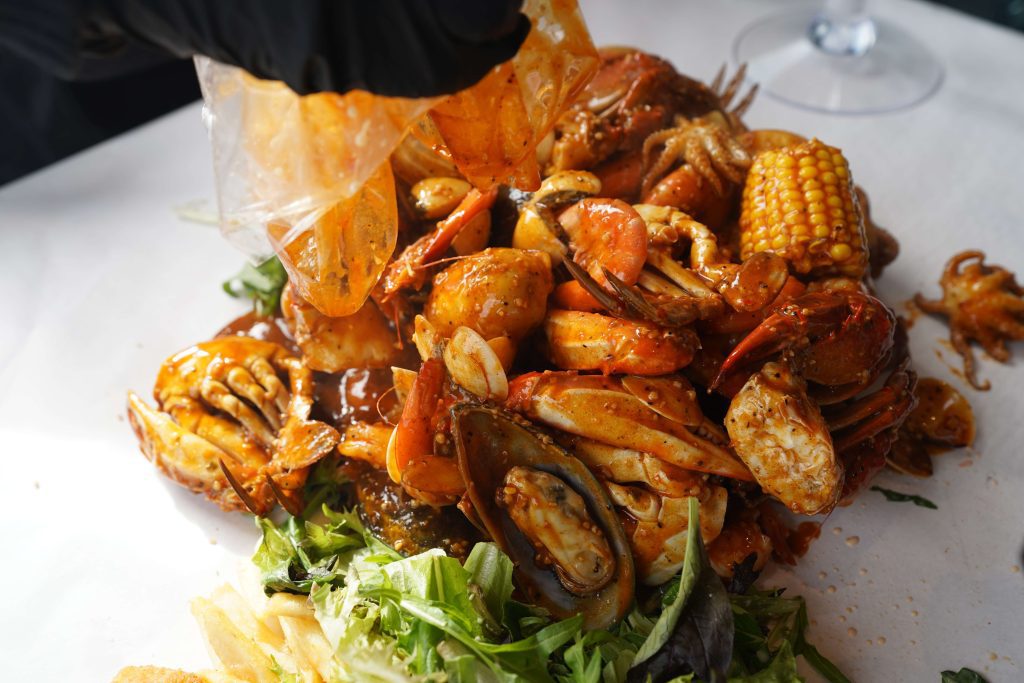
Cajun seafood naturally encourages communal dining in ways that many modern cuisines don’t. Research into seafood boil traditions shows that the traditional seafood boil format brings people together around shared tables, often covered with paper or newspaper, where everyone digs in with their hands. This breaks down social barriers and creates memorable experiences that go far beyond just eating.
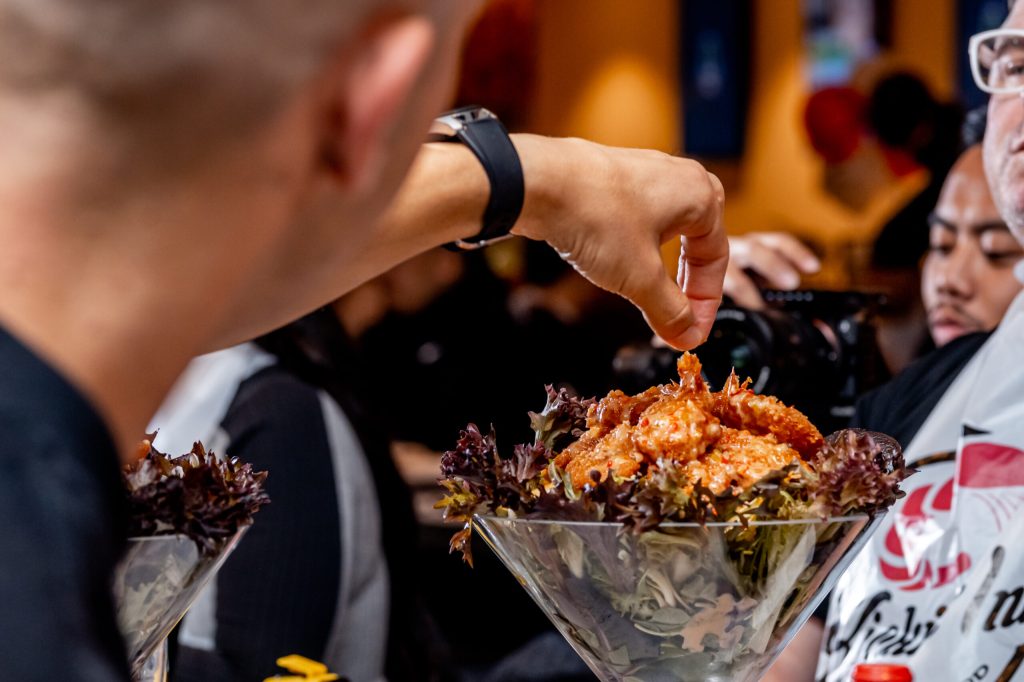
The hands-on nature of eating Cajun seafood – cracking shells, peeling prawns, and sharing sides – slows down the dining experience in an appealing way. In our fast-paced world, this forced slowdown creates space for conversation and connection that many people crave.
How Do Bold Flavours Appeal To Modern Palates
Contemporary diners increasingly seek authentic, bold flavours that provide clear sensory experiences. Cajun seafood delivers exactly this – there’s nothing subtle or ambiguous about properly seasoned seafood boil. The combination of heat, aromatics, and seafood sweetness creates memorable taste experiences that stand out in a crowded dining landscape.
The spice levels in Cajun cuisine also offer customisation opportunities. Industry standards show that quality establishments provide multiple spice level options, allowing diners to choose their heat preference while still enjoying the complex flavour profiles that make the cuisine distinctive. This flexibility makes it accessible to a broader range of palates.
What Makes The Presentation Style So Appealing
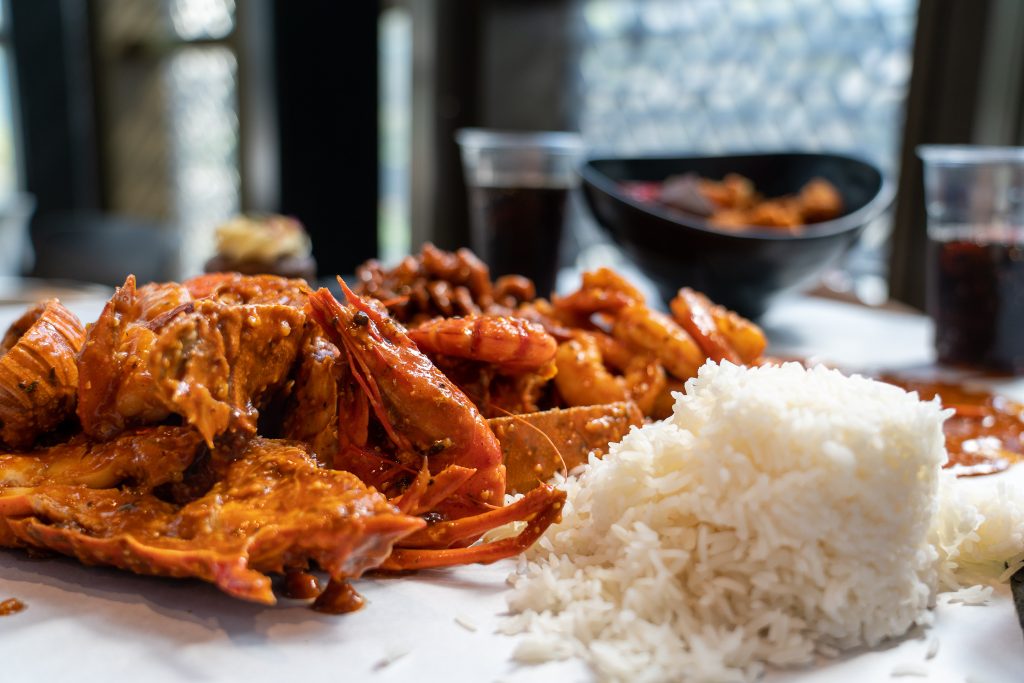
The visual impact of Cajun seafood cannot be understated. Large portions of colourful seafood, often mixed with corn, potatoes, and sausage, create Instagram-worthy presentations that naturally encourage sharing both in person and on social media. The casual, abundant style appeals to diners who want value and visual excitement.
This presentation style also communicates abundance and generosity, qualities that resonate strongly with diners looking for satisfying, memorable meals. The contrast between sophisticated flavours and casual presentation creates an approachable luxury that appeals across different demographics.
What Should You Expect From Authentic Cajun Seafood
Knowing what constitutes authentic Cajun seafood helps diners make informed choices and set appropriate expectations. While the cuisine’s flexibility means there’s no single “correct” version, certain elements consistently appear in quality preparations.
Which Preparation Methods Indicate Quality
Authentic Cajun seafood typically involves several key preparation steps that build layers of flavour. The process often begins with creating a flavourful base using the holy trinity of vegetables, properly bloomed spices, and appropriate cooking fats. Quality preparations take time to develop these foundational flavours rather than rushing to add seafood.
The seafood itself should be cooked just until done – overcooking is one of the most common mistakes that can ruin even the best seasonings. Prawns should be tender, crab meat should be sweet and flaky, and any fish should hold together while being thoroughly heated.
| Element | Signs of Quality | Warning Signs |
|---|---|---|
| Seasoning | Complex heat with aromatic depth | One-dimensional burn or overwhelming salt |
| Seafood | Just cooked through, natural sweetness intact | Rubbery texture, fishy smell, or falling apart |
| Vegetables | Softened but with some texture remaining | Mushy vegetables or raw, harsh flavours |
| Overall dish | Balanced flavours, proper sauce consistency | Greasy appearance, separated sauces, uneven seasoning |
How Much Variation Is Normal In Traditional Recipes
One of the most important things to understand about Cajun seafood is that variation is not only normal but expected. Traditional Cajun cooks pride themselves on adapting recipes based on available ingredients, seasonal changes, and personal preferences. Studies of traditional Cajun recipes show significant variation even within the same community, with endless adaptations in ingredients and techniques.
Family recipes often vary significantly even within the same community. What matters more than strict adherence to a single recipe is the cooking approach – building flavours carefully, respecting the ingredients, and creating something that brings people together around the table.
However, some boundaries do exist. Dishes that rely heavily on premade spice mixes without developing fresh flavour bases, or preparations that overwhelm seafood with excessive heat without balancing flavours, may not represent the cuisine at its best.
What The Research Says About Cajun Seafood
Understanding the evidence behind Cajun seafood’s appeal and authenticity helps diners make informed choices and appreciate this distinctive cuisine.
- The “holy trinity” foundation of onions, celery, and bell pepper is consistently documented across culinary sources as essential to authentic Cajun flavour development
- Traditional spice blends featuring paprika, cayenne, garlic powder, onion powder, oregano, and thyme create the complex heat and aromatic depth that defines quality Cajun seafood
- The communal dining experience inherent in seafood boils effectively promotes social bonding and breaks down barriers through shared, hands-on eating
- Customisable spice levels make Cajun seafood accessible to diverse palates while maintaining authenticity
- Recipe variation is normal and expected – the evidence shows significant differences even within traditional communities, though we don’t yet know all the factors that determine which variations become most popular
- The historical development from resource-limited rural communities explains the cuisine’s adaptable, improvisational nature, though experts have different views on how much modern adaptations should vary from traditional methods
How Can You Enjoy Cajun Seafood At Its Best
Getting the most from your Cajun seafood experience involves understanding both what to look for and how to approach the dining experience itself. The communal nature of the cuisine means that preparation extends beyond just the food to the entire social context.
What Should You Know Before Your First Seafood Boil
If you’re new to Cajun seafood boils, preparation helps ensure you’ll enjoy the experience fully. Come prepared to get your hands dirty – literally. Most seafood boils are meant to be eaten with your hands, so dress comfortably and don’t worry about maintaining perfect table manners.
The experience typically involves sharing large portions with others at your table. This communal aspect is part of what makes Cajun seafood special, so embrace the social element and don’t hesitate to ask questions or request different spice levels if available.
- Arrive hungry – portions are typically generous and meant to be satisfying
- Be prepared for spice – even “mild” Cajun seasoning has more heat than many other cuisines
- Take your time – the hands-on eating style naturally slows the meal down
- Bring friends – the experience is designed for sharing and conversation
- Stay hydrated – spicy food requires plenty of drinks to balance the heat
Which Accompaniments Enhance The Experience
Traditional Cajun seafood benefits from thoughtful accompaniments that complement rather than compete with the bold flavours. Classic sides often include corn on the cob, potatoes, and sometimes sausage, all cooked in the same spiced liquid as the seafood.
Bread serves an important practical function, helping to moderate spice levels and soak up flavourful juices. Simple preparations work best – crusty bread or dinner rolls that can handle being dipped without falling apart.
Beverage choices matter significantly with spicy food. Beer often pairs well with Cajun seafood, as do other drinks that can help balance heat levels without overwhelming the palate.
What To Do Next If You Want To Experience Cajun Seafood
Ready to dive into the bold, spicy world of Cajun seafood? The best way to understand this cuisine is to experience it firsthand, ideally in a setting that captures both the flavours and the communal spirit that make it special.
Look for establishments that emphasise fresh seafood, house-made spice blends, and the traditional hands-on dining experience. The atmosphere should feel welcoming and social, encouraging you to take your time and enjoy the meal as an experience rather than just sustenance.
Consider starting with a mixed seafood boil if you’re new to the cuisine – this allows you to sample different types of seafood and find your preferences. Don’t hesitate to ask about spice levels and accompaniments that can help balance the heat if needed.
Whether you’re planning a celebration with friends or simply want to try something new, Cajun seafood offers an experience that goes beyond typical dining. The combination of bold flavours, communal enjoyment, and hands-on fun creates memories that last long after the meal ends.
Key Takeaways About Cajun Seafood
Cajun seafood represents a unique culinary tradition that combines bold flavours with social dining experiences. Its popularity stems from the perfect balance of authentic taste, visual appeal, and communal enjoyment that resonates with modern diners seeking memorable experiences.
The cuisine’s flexibility and emphasis on fresh ingredients mean that quality can vary, but the best preparations focus on building complex flavour profiles while respecting the natural taste of seafood. Understanding this balance helps diners appreciate both the tradition and the modern interpretations that make Cajun seafood so appealing.
Most importantly, Cajun seafood is meant to be enjoyed as a social experience. The hands-on dining style, generous portions, and bold flavours all contribute to creating connections and memories that extend far beyond the meal itself. Whether you’re a longtime fan or curious newcomer, approaching Cajun seafood with an open mind and empty stomach ensures the best possible experience.
Think you have what it takes to work at Kickin'Inn?
Fill out an expression of interest form here. We strive to respond to all applicants as promptly as possible. We look forward to hearing from you!