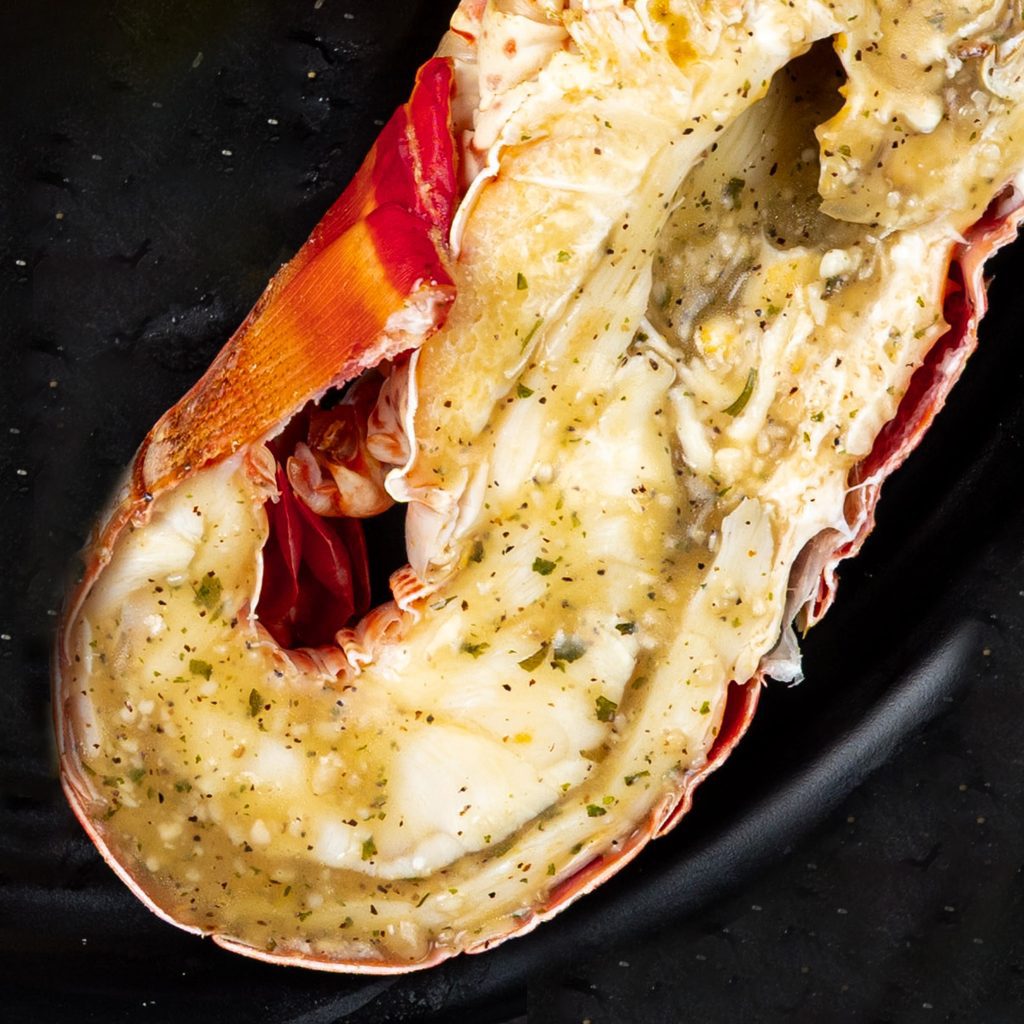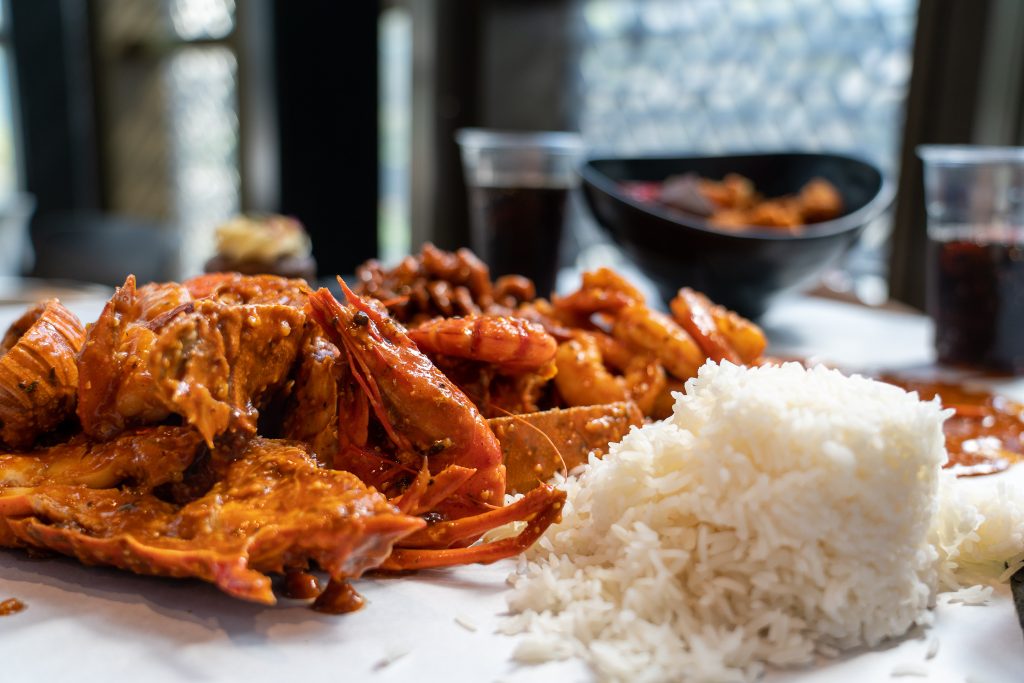
Curried prawns are a genuine Australian time capsule. Sweet, mild, faintly retro, usually involving curry powder rather than a ground-from-scratch masala, and absolutely delicious when it is done properly. 🦐
This is not an Indian prawn curry and it is not trying to be. It is the dish from Australian pubs, cookbooks and family kitchens, and it has its own rules worth respecting.
What the Australian version actually is
Worth defining, because people sometimes expect it to be something else and are then disappointed by their own cooking.
The classic Australian curried prawns is a mild, slightly sweet, creamy curry built on curry powder, onion, a little apple or banana for sweetness in some versions, and finished with cream or coconut milk. Served on rice, often with a scattering of sultanas or coconut on top in the older recipes.
It comes out of mid-century Australian home cooking, where curry powder was the available shortcut and the flavour profile was tuned for mild palates. That is its heritage rather than a flaw, and a well-made one is comfort food of a high order.
If you want something fierier
Then you want a different dish, and that is a perfectly good choice. A South Indian prawn curry with fresh chilli, curry leaves and tamarind is a spectacular thing. It just is not this recipe, and trying to turn this one into that by dumping in chilli produces something muddled.
The prawns matter more than the spice
In a mild curry there is nowhere for a bad prawn to hide.
There are five major species of Australian wild prawns, and the two questions worth asking are whether the prawn is wild and whether it is Australian. King and banana prawns are both excellent here.
On where they come from, the Northern Prawn Fishery is one of Australia’s major prawn fisheries, targeting species including white and redleg banana prawns and tiger prawns. Plenty of what you buy at an Australian fish counter comes from there.
Buy green, meaning raw. Pre-cooked prawns simmered in a curry sauce are the fastest route to rubber, because you are cooking them a second time in liquid, which is the worst possible treatment.

Blooming the curry powder, the step that matters
If you take one thing away from all of this, make it this.
Curry powder added to liquid tastes dusty and raw. Curry powder fried in oil or butter for sixty to ninety seconds before any liquid goes in tastes like a curry. The heat releases the fat-soluble aromatic compounds in the spices, and that single step is the difference between a sauce that tastes homemade and one that tastes like powder stirred into cream.
So the order is onion softened in butter, then the curry powder into the fat, then a brief fry, then your liquid. Keep it moving, because curry powder contains turmeric and ground spices that scorch quickly, and burnt curry powder is bitter in a way nothing fixes.
Ninety seconds is plenty. You are looking for the smell to change from dusty to fragrant and slightly nutty.
The recipe
Serves four. About twenty five minutes.
What you need
Eight hundred grams of green prawns, peeled and deveined. Fifty grams of butter. One large brown onion, finely diced. Two cloves of garlic. A tablespoon of good curry powder, Madras if you want a bit more backbone. One teaspoon of ground cumin. One green apple, peeled and grated, which is the traditional Australian sweetener. One tablespoon of plain flour. Two cups of chicken or fish stock. Half a cup of cream or coconut milk. A squeeze of lemon. Salt to taste.
The method
- Butter in a wide pan, onion over medium heat until soft. Eight minutes, not two. Do not rush this.
- Garlic for thirty seconds, then the curry powder and cumin. Fry ninety seconds until fragrant.
- Grated apple in, stir through. It will almost dissolve into the sauce.
- Flour in, stir for a minute. This is what thickens the sauce without cornflour claggyness.
- Stock gradually, whisking. Add it in stages or you will get lumps.
- Simmer fifteen minutes. The sauce should coat a spoon. This is where flavour develops.
- Prawns in, three to four minutes only. They are done at a loose C shape.
- Cream and lemon off the heat. Then taste and salt properly.
The critical thing is that the sauce is finished before the prawns go anywhere near it. Simmer the sauce for its fifteen minutes on its own, then add prawns at the very end. Prawns sitting in a simmering sauce for fifteen minutes is exactly how this dish gets its bad reputation.
Where it goes wrong
| Problem | Cause | Fix |
|---|---|---|
| Tastes of raw powder | Curry powder not bloomed in fat | Fry it 90 seconds before adding liquid |
| Bitter | Scorched curry powder | Keep it moving, medium heat only |
| Rubbery prawns | Added too early, or pre-cooked | Green prawns, in for the last 4 minutes |
| Thin and watery | Not enough reduction, no flour | Simmer the sauce properly before prawns |
| Flat and dull | Under-salted, no acid | Salt hard, finish with lemon |
| Split sauce | Cream boiled | Add cream off the heat |
The last row catches people who have done everything else right. Once the cream is in, the dish is finished. Do not bring it back to the boil to warm it through, because that is when it breaks.
Keeping it safe
Prawns and a creamy sauce both want care.
The NSW Food Authority advises storing prawns in an airtight container or tightly covered, away from other food, in the coldest part of the fridge, and leaving them in the shell. Thaw frozen prawns in the fridge overnight rather than on the bench.
Leftovers keep for a day in the fridge, and the sauce honestly improves overnight while the prawns do not. If you know you will have leftovers, consider holding back some prawns and adding them fresh when you reheat the sauce.
Serving it the traditional way
Rice, and then the garnishes that make it unmistakably Australian retro.
Steamed long grain rice underneath. Then, if you are being faithful to the era, small bowls of condiments on the table. Desiccated coconut, sultanas, chopped banana, sliced cucumber in yoghurt, mango chutney and pappadums. People take what they want.
That sounds dated and it is genuinely good, because the sweet and cooling elements play off the mild curry nicely. Modern versions skip it and use coriander and lime instead, which also works.
On allergies, seafood allergy is common in Australia and reactions can be severe, and this dish contains both crustacean and usually dairy. Worth flagging both before you serve it.
Or go the other direction entirely
Curried prawns is mild, creamy, nostalgic comfort food. Sometimes you want the complete opposite.
If you want prawns with actual heat behind them, our seafood boil menu runs five Louisiana-inspired sauces, all gluten free, over whole fresh or peeled prawns, with five heat levels from Original right up to 000. The Deluxe Prawn Bag pairs twelve peeled prawns with thirty baby octopus if you want volume. 🔥
There is a venue list here, and our FAQs answer the dairy, gluten and halal questions properly.
The short version
- This is a mild, sweet, creamy curry powder dish, not an Indian curry.
- It comes from mid-century Australian home cooking and has its own logic.
- Use green prawns, never pre-cooked.
- Bloom the curry powder in fat for 90 seconds before adding liquid.
- Burnt curry powder is bitter and cannot be fixed.
- Soften the onion properly, around eight minutes.
- Grated green apple is the traditional Australian sweetener.
- A spoon of flour thickens it better than cornflour.
- Add stock gradually to avoid lumps.
- Finish the sauce completely before the prawns go in.
- Prawns need only three to four minutes at the end.
- Add cream off the heat and do not reboil.
- Salt hard and finish with lemon.
- Store prawns covered in the shell in the coldest part of the fridge.
- Hold back some prawns if you expect leftovers.
Bloom the powder, build the sauce, add the prawns last. That is the entire dish, and it is better than its reputation. 🤤
Think you have what it takes to work at Kickin'Inn?
Fill out an expression of interest form here. We strive to respond to all applicants as promptly as possible. We look forward to hearing from you!