Lobster at home is one of those projects that sounds glamorous and then stalls at the fish counter, usually on a question nobody warns you about. 🦞
So here is the practical version. What the three classic dishes actually are, which one to attempt first, and the bit that stops most people before they start.
Let us deal with the awkward part first
Plenty of people genuinely do not want to dispatch a live lobster themselves, and that is a completely reasonable position rather than a character flaw.
You have options and none of them ruin the dish. Ask the fish counter to do it for you, and many will steam or par-cook it on the spot at no extra charge, which also solves the problem of driving home with something live in a hot car. Or buy a good quality frozen lobster tail, which for mornay and bisque is honestly indistinguishable in the finished dish.
If you do go live, the humane approach is to chill the lobster thoroughly in the fridge or an ice slurry first, which makes it sluggish and unresponsive, and then be quick and decisive. Hesitating is worse for the animal than committing.

Buying it right
The quality of the lobster matters more than your technique, which is annoying but true.
Sydney Fish Market publishes guidance on buying and handling seafood, and the basics apply wherever you shop. A live lobster should be lively, with the tail curling under when lifted. A frozen tail should be solidly frozen with no ice crystals inside the bag, which signal it has thawed and refrozen.
On keeping it safe, the NSW Food Authority advises storing seafood covered, away from other food, in the coldest part of the fridge. A live lobster goes in the fridge under a damp cloth, never in fresh water, which will kill it slowly and ruin the meat.
Thaw frozen tails in the fridge overnight. Never in the microwave, and never under hot water.
The three dishes, honestly compared
| Dish | What it is | Difficulty |
|---|---|---|
| Mornay | Lobster in a cheesy béchamel, grilled in the shell | Easiest, very forgiving |
| Thermidor | Lobster in a mustard and brandy cream, grilled in the shell | Moderate, the sauce can split |
| Bisque | A rich strained soup built from the shells | Most work, hardest to rush |
| Best for leftovers | Bisque, because it is built from the bits | Uses what the others discard |
| Best for a first attempt | Mornay | Cheese sauce hides small sins |
| Best for showing off | Thermidor | It is the one people recognise |
The sensible plan if you have bought a whole lobster is to do two of them. Mornay or thermidor with the tail meat, then bisque from the shells and head the next day. One lobster, two meals, nothing wasted.
Mornay, the one to start with
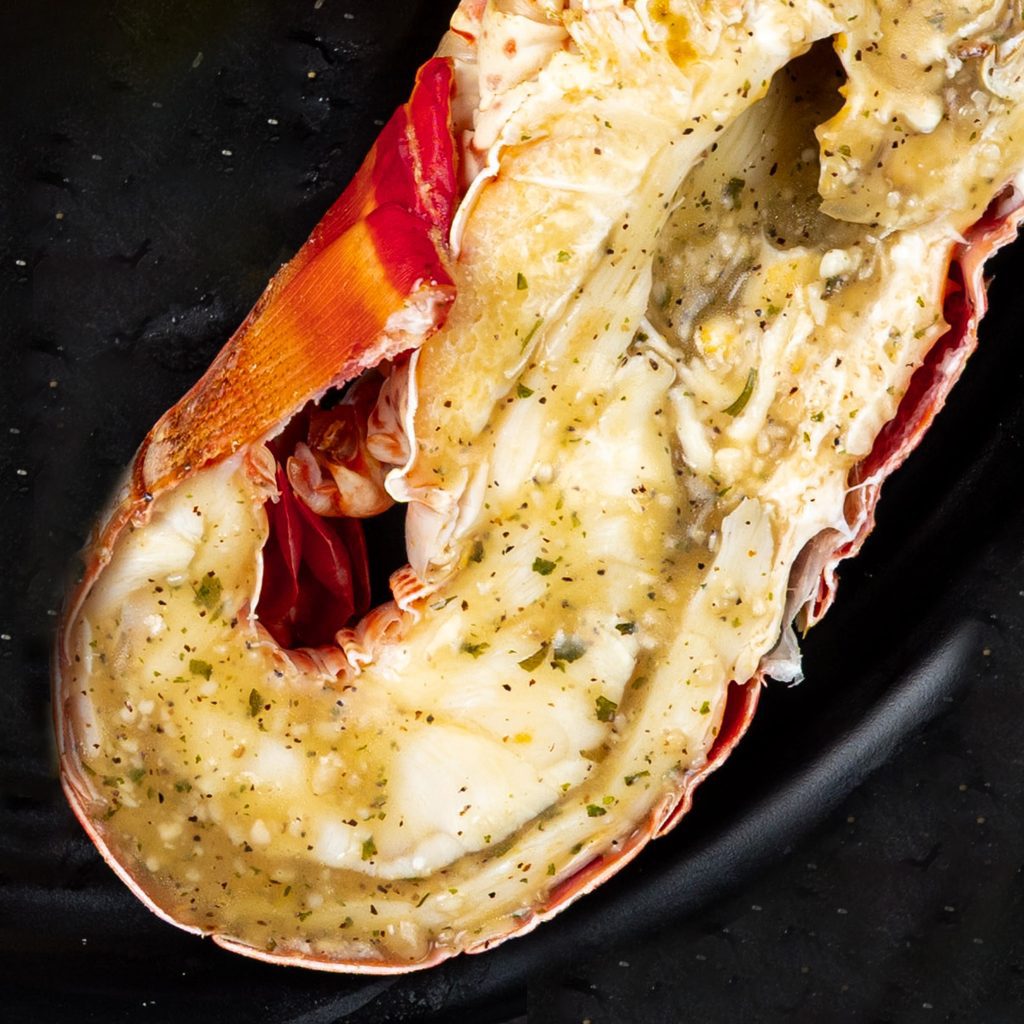
A béchamel with cheese, folded through lobster meat, back in the shell, under the grill.
Make a roux with equal butter and flour, cook it for a minute so it does not taste of raw flour, then add warm milk gradually and whisk until it thickens. Off the heat, stir in grated gruyère or a sharp cheddar, a little dijon and a pinch of nutmeg. Fold through cooked lobster meat cut into generous chunks.
Pile it back into the half shells, top with a little more cheese and some breadcrumbs, and grill until bubbling and golden. Six to eight minutes under a hot grill is usually enough.
The two things to watch
Add the milk gradually and warm, because cold milk dumped in all at once is how you get lumps. And remember the lobster is already cooked, so the grill is browning the top rather than cooking the seafood. Leave it under there too long and you have rubber in a nice sauce.
Thermidor, and the mistake that splits it
Same idea, different sauce. Shallots softened in butter, deglazed with brandy, then white wine reduced down, then cream, then dijon mustard and tarragon off the heat.
The split happens when the mustard goes into a sauce that is still at a hard boil, or when the cream is reduced too aggressively. Bring the cream to a gentle simmer, not a rolling one, and add the mustard with the pan off the heat.
A classic thermidor gets a little gruyère on top and a quick pass under the grill. The flavour you are chasing is mustard and tarragon against sweet lobster, so go easy on the cheese or it becomes a mornay with extra steps.
On alcohol, the brandy is there for flavour and most of it cooks off, though not all of it. If you are cooking for anyone avoiding alcohol, leave it out and add a splash of stock instead. The dish survives perfectly well.
Bisque, the one that rewards patience
This is the dish that makes a whole lobster worth the money, because it is made from the parts you would otherwise bin.
Roast the shells and head in a hot oven for fifteen minutes until they smell nutty. Sweat onion, carrot, celery and fennel in butter, add tomato paste and cook it out, add the roasted shells, a splash of brandy, then water or fish stock to cover. Simmer for forty five minutes, no longer, because shells turn bitter if you push them.
Strain it properly, pressing the solids to get everything out, then discard them. Reduce the strained liquid, finish with cream, and season hard. Bisque needs more salt than you think and a few drops of acid at the end.
Food Standards Australia New Zealand notes that cooking food to 70°C in the centre will kill almost all harmful microorganisms, which a simmering bisque comfortably exceeds. The thing to be careful about is the cooling.
Potentially hazardous food needs to be kept at safe temperatures, and a thermometer is the only way to know rather than guess. Get leftover bisque into the fridge quickly rather than leaving the pot on the stove overnight.
If anyone has a shellfish allergy
Worth a straight word, because lobster is one of the big ones.
Seafood allergy is common in Australia and reactions can be severe. Lobster is a crustacean, which means someone reacting to prawns or crab will usually react to lobster too, since the trigger protein is shared.
If you are cooking for a mixed table, the bisque is the risky one, because it is a liquid that goes into other dishes and gets ladled with the same spoon. Keep it genuinely separate rather than nearby.
Or skip the three hours and the shell shrapnel
Here is the honest trade-off. A home-cooked lobster thermidor is a genuinely brilliant thing to have made yourself. It is also an afternoon, a sink full of shells and a sauce that might split on you.
If you want the lobster without the project, half lobster is on our seafood boil menu as a build-your-own option and in the Kickin’ Licious Bag, which pairs it with snow crab cluster, bay bugs and two rounds of prawns. You choose one of five Louisiana-inspired sauces, all gluten free, and the heat level that suits you, from Original through to 000. 🔥
Different dish, same pleasure, and somebody else deals with the shells. Find your closest venue on our locations page or make a booking.
The short version
- You do not have to dispatch a live lobster yourself.
- Most fish counters will steam it for you, often free.
- Chill a live lobster thoroughly first if you are doing it yourself.
- Never store a live lobster in fresh water.
- Ice crystals inside a frozen tail mean it thawed and refroze.
- Thaw frozen tails in the fridge overnight.
- Mornay is the easiest of the three and the best first attempt.
- Thermidor splits when mustard hits a boiling sauce.
- Add the mustard off the heat and simmer cream gently.
- Bisque is made from the shells, so one lobster gives two meals.
- Roast the shells first, and never simmer them past 45 minutes.
- Bisque needs more salt and a little acid than you expect.
- Cool seafood stock fast and refrigerate it promptly.
- Lobster shares its allergen protein with prawns and crab.
- The grill is browning the top, not cooking the already-cooked lobster.
Start with mornay, graduate to thermidor, and make the bisque from whatever is left. That is the sensible order, and it gets you two good dinners out of one lobster. 🤤
Think you have what it takes to work at Kickin'Inn?
Fill out an expression of interest form here. We strive to respond to all applicants as promptly as possible. We look forward to hearing from you!