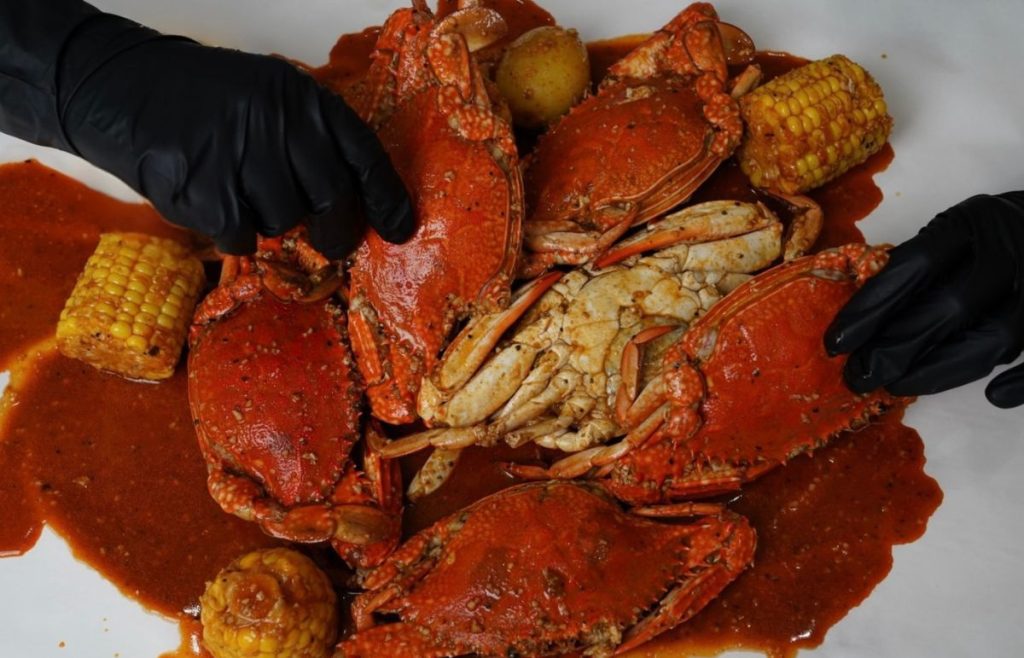
Choosing the right wine to complement your seafood feast can feel overwhelming with so many options on the shelf. Whether you’re planning a romantic dinner with fresh prawns or getting the crew together for a spicy seafood boil, the perfect wine pairing can elevate your dining experience from good to absolutely sensational 🦐🍷
The art of seafood wine pairing isn’t about following rigid rules – it’s about understanding how different wines interact with the delicate flavours of the ocean and the bold sauces that bring them to life. From crisp whites that cleanse your palate between bites of buttery crab to refreshing bubbles that cut through rich, spicy broths, the right match depends on what’s on your plate and how it’s prepared.
Let’s dive into the world of wine and seafood pairing, exploring which bottles work best with different types of dishes, spice levels, and dining situations. You’ll discover practical tips for choosing wines that complement rather than compete with your seafood, plus some surprising alternatives that might become your new favourites.
Why Does Wine and Seafood Pairing Matter
The relationship between wine and seafood goes beyond tradition – it’s about creating harmony on your palate. Seafood’s delicate, often briny flavours can easily be overwhelmed by heavy wines, while overly light wines might disappear entirely when faced with bold spices or rich sauces.
How Different Elements Interact on Your Palate
When you pair wine with seafood, several factors come into play. The texture of both the wine and the dish creates the foundation – creamy, buttery seafood preparations call for wines with enough body to match, while light, steamed preparations work beautifully with crisp, clean wines.
Acidity plays a crucial role too. Wines with bright acidity help cleanse your palate between bites, making each mouthful taste as fresh as the first. This is particularly important with rich or spicy seafood dishes where you want to reset your taste buds regularly.
The spice level of your seafood significantly impacts your wine choice. Heat can intensify the perception of alcohol and tannins, making some wines taste harsh or burning. Understanding this interaction helps you choose wines that soothe rather than amplify the fire.
What Are the Best White Wines for Seafood
White wines remain the classic choice for seafood, and for good reason. Their bright acidity, clean flavours, and lighter body typically complement rather than compete with delicate ocean flavours.
Which Crisp Whites Work Best
For lighter seafood preparations like steamed mussels, grilled prawns, or fresh oysters, crisp white wines provide the perfect backdrop. These wines offer:
- Sauvignon Blanc – brings herbaceous notes and zippy acidity that enhances briny flavours
- Muscadet – offers mineral-driven freshness that mirrors the ocean’s salinity
- Albariño – provides citrus brightness with enough texture to handle shellfish
- Chenin Blanc – delivers versatile acidity that adapts to various preparations
These wines work particularly well when your seafood is prepared simply – think garlic butter, light herbs, or just a squeeze of lemon. Their clean profiles allow the natural sweetness of prawns, crab, and fish to shine through.
How Riesling Handles Spicy Seafood
Riesling deserves special attention for spicy seafood dishes. Its unique combination of bright acidity and subtle sweetness makes it exceptionally food-friendly, particularly when heat is involved. The wine’s natural fruit characters can complement spicy preparations without clashing, while its acidity helps cleanse your palate.
Look for dry or semi-dry Rieslings rather than dessert-style versions. The touch of sweetness in semi-dry styles can actually help tame spice levels, making your meal more comfortable while still providing the refreshment you need.

How Do Rosé and Sparkling Wines Work with Seafood
Don’t overlook rosé and sparkling wines – they offer some of the most versatile and crowd-pleasing options for seafood dining, especially when you’re feeding a group with different preferences.
Why Dry Rosé Is a Reliable Choice
Dry rosé wines, particularly those from southern France, strike an ideal balance for seafood meals. They offer more body than most whites while maintaining the freshness and acidity that seafood demands. This makes them particularly well-suited to:
- Spiced seafood boils where you need wine with enough structure
- Creamy or buttery preparations that require more weight
- Mixed seafood platters with varying flavour intensities
- Social dining situations where one wine needs to work for everyone
The subtle fruit flavours in quality rosé complement rather than compete with seafood, while the wine’s refreshing qualities help cut through rich sauces and cleanse your palate between different dishes.
When Sparkling Wine Elevates the Experience
Sparkling wines bring an element of celebration to seafood dining while offering practical benefits. The bubbles provide textural interest and palate-cleansing properties that work beautifully with rich or fried seafood preparations.
Dry Cava offers excellent value and food-friendly qualities, while sparkling rosé combines the benefits of both categories. These wines work particularly well for:
- Group dining where you want to create a festive atmosphere
- Rich, saucy seafood dishes that need palate cleansing
- Raw preparations like oysters where tradition meets innovation
- Special occasions where the wine choice adds to the celebration
What About Red Wine and Beer Alternatives
While white wines dominate seafood pairing conversations, don’t completely dismiss other options. In certain situations, reds and beer can provide surprising and delicious alternatives.
When Red Wine Actually Works
Red wine with seafood isn’t always taboo, particularly with heartier preparations. Light, low-tannin reds can complement:
- Meaty fish preparations with tomato-based sauces
- Grilled or blackened seafood with robust seasonings
- Rich, oily fish that can stand up to more wine weight
The key is choosing reds with bright acidity and minimal tannins – think Pinot Noir or light Grenache blends rather than heavy Cabernets.
How Beer Complements Spicy Seafood
Beer deserves serious consideration, especially for spicy, informal seafood dining. The carbonation, hop bitterness, and malt sweetness create a different but equally effective palate-cleansing experience.
Hoppy IPAs work particularly well with very spicy preparations, as the hop bitterness can complement rather than fight the heat. Local options often provide the added benefit of regional flavour harmony – what grows or brews together often goes together.
How to Match Wine to Different Seafood Preparations
The way your seafood is prepared matters as much as the type of seafood itself. A simple grilled prawn calls for very different wine treatment than the same prawn swimming in a rich, spicy sauce.
Pairing by Cooking Method and Sauce
Understanding how different preparations affect your wine choice helps you make better decisions:
| Preparation Style | Wine Characteristics Needed | Best Wine Types
|
|---|---|---|
| Steamed/Boiled (light) | Clean, crisp, mineral-driven | Muscadet, Sauvignon Blanc, dry sparkling |
| Garlic butter/cream sauces | Enough body to match richness | Chardonnay, dry rosé, richer whites |
| Spicy/Cajun seasonings | Acidity plus touch of sweetness | Riesling, sparkling rosé, hoppy beer |
| Grilled/blackened | Can handle more intensity | Fuller whites, light reds, robust rosé |
| Fried preparations | High acidity for cutting richness | Sparkling wine, crisp whites, IPA beer |
Adjusting for Spice Levels
Spice levels dramatically affect your wine pairing success. Here’s how to adjust your selections:
For mild to medium heat, most traditional white wine pairings work beautifully. Focus on wines with good acidity to provide refreshment between bites.
When the heat level increases, you need wines that can handle the intensity without becoming harsh or alcoholic-tasting. Semi-dry wines offer relief, while high-acid options provide necessary palate cleansing.
For very spicy preparations, consider whether wine is the best choice at all. Sometimes a well-chosen beer or even a non-alcoholic option serves your guests better than struggling with wine pairings that don’t quite work.
What Should You Consider for Group Dining
Seafood often means social dining, and choosing wines for groups requires different strategies than selecting for intimate dinners. You need options that work across different preferences and spice tolerances.
How to Please Different Palates
When dining with groups, versatility becomes your best friend. Consider these strategies:
- Choose wines that work across multiple spice levels
- Offer both white and rosé options to cover different preferences
- Include at least one sparkling option for celebration and palate cleansing
- Consider food-friendly beers alongside wine selections
Dry rosé from southern France often proves to be the group-pleasing hero, offering enough character to satisfy wine enthusiasts while remaining approachable for casual drinkers.
Managing Different Spice Tolerances
Groups often include both spice lovers and heat-sensitive diners. Smart wine selection can help everyone enjoy the meal:
Provide cooling options like semi-dry Riesling or sparkling wine for those struggling with heat levels. These wines offer immediate relief and help less spice-tolerant diners stay comfortable throughout the meal.
Don’t forget about palate reset options. Wines with bright acidity help everyone’s taste buds recover between different dishes, making it easier to enjoy the full range of flavours on offer.
How to Get the Best Value from Wine Pairings
Great seafood wine pairings don’t have to break the bank. Understanding which wines offer the best combination of quality and food-friendliness helps you make smart choices that enhance your dining experience without overspending.
Which Wine Styles Offer Reliable Value
Some wine categories consistently deliver excellent seafood pairing performance at reasonable prices:
- Spanish Albariño – offers coastal minerality and food-friendly acidity
- French rosé from Languedoc – provides versatility and regional authenticity
- Australian Riesling – delivers bright acidity with local terroir character
- Spanish Cava – brings sparkling wine benefits at accessible pricing
These options typically offer better value than prestigious names while delivering the specific qualities that make seafood pairing successful.
How to Experiment Without Overspending
Building your seafood wine pairing knowledge doesn’t require expensive bottles. Start with food-friendly regions and styles, then gradually explore variations based on what works for your palate and preferred dining style.
Consider exploring non-vintage blends from reputable producers, as these often offer consistent food-pairing performance at accessible prices. The goal is finding wines that enhance your seafood experience reliably.
What to Do Next
Armed with these pairing insights, you’re ready to make confident wine choices that will enhance your next seafood dining experience. The key is starting with food-friendly wine styles and adjusting based on your specific dishes and spice preferences.
Remember that the best pairing is ultimately the one you enjoy most. Use these guidelines as your starting point, but don’t be afraid to experiment and discover your own favourite combinations. Whether you’re planning an intimate dinner or organising a group feast, thoughtful wine selection can transform a good meal into an unforgettable experience.
The beauty of seafood wine pairing lies in its flexibility and the endless opportunities for delicious discoveries. Start with these proven combinations, pay attention to what works for your palate, and most importantly, enjoy the journey of flavour exploration that awaits you.
Think you have what it takes to work at Kickin'Inn?
Fill out an expression of interest form here. We strive to respond to all applicants as promptly as possible. We look forward to hearing from you!