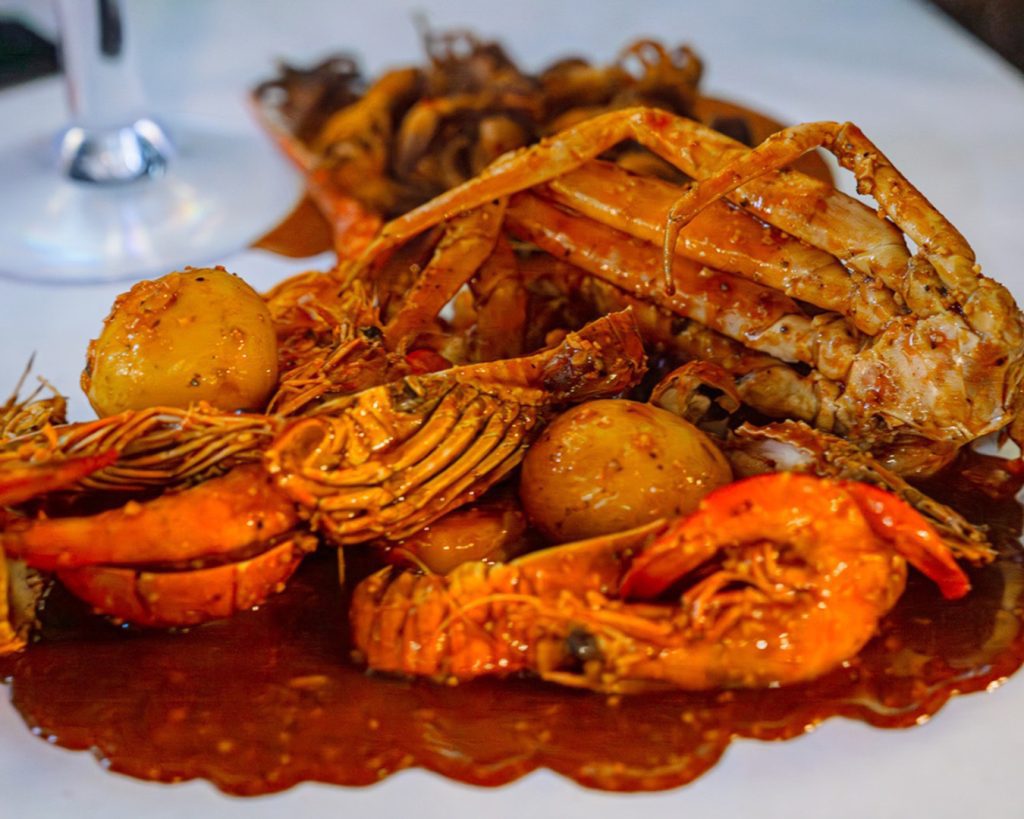
Sharing a seafood boil with friends creates memorable moments around delicious food, but group dining seafood experiences can quickly turn awkward without proper etiquette. Whether you’re gathering for a birthday celebration or simply catching up with mates, understanding the unspoken rules of communal dining helps everyone enjoy the meal without stress or conflict.
Seafood boils are naturally designed for sharing, with large portions spread across tables for hands-on eating. However, this communal style can create challenges around portion fairness, dietary preferences, and individual comfort levels. The key lies in balancing group enjoyment with individual needs and preferences.

By establishing clear expectations early and communicating openly about preferences, your group can navigate the unique dynamics of shared seafood dining while ensuring everyone leaves satisfied and happy.
What Makes Seafood Boils Different From Regular Group Dining
Seafood boils operate on a fundamentally different principle than traditional restaurant dining. Instead of individual plates, everything arrives together in large bags or spreads across shared tables, creating an interactive eating experience that requires coordination and consideration. Research on seafood boil traditions shows these communal feasts involve seafood, corn, potatoes, and sausage boiled together and served collectively, often dumped on tables covered with plastic tablecloths for shared eating without individual plates.
Why Communal Seafood Dining Works Well for Groups
The hands-on nature of seafood boils naturally encourages conversation and connection. When everyone’s cracking shells and sharing sauces, the meal becomes an event rather than just dinner. This format allows groups to try multiple seafood varieties and spice levels without committing to a single choice.
Many venues specifically cater to this communal experience by providing large tables, plastic bibs, and plenty of napkins. The casual atmosphere removes formal dining pressure and creates a more relaxed environment for socialising, though the evidence is mixed on whether all venues provide bibs as standard equipment.
Understanding the Unique Challenges
However, seafood boils present specific challenges that don’t exist with individual ordering. Portion control becomes more complex when everything arrives together, and dietary restrictions can be particularly problematic when sauces and seasonings coat multiple items.
Additionally, the messy nature of the meal means some diners may feel uncomfortable with the hands-on approach, especially in business or formal social settings. Etiquette experts note that seafood boils are inherently messy and hands-on experiences that emphasise their carefree and informal nature.
How to Handle Individual Preferences in Shared Seafood Orders
The most successful group seafood dining experiences balance communal enjoyment with respect for individual preferences. This requires upfront communication and flexible planning rather than assuming everyone will happily share everything.
Setting Boundaries Early in the Planning Process
Before arriving at the restaurant, discuss everyone’s comfort level with sharing. Many diners prefer to order their own food to avoid issues with portion fairness and food preferences. Establishing these boundaries prevents conflict and ensures everyone feels heard.
Simple phrases like “I’d rather choose my own food” or “I’ll order for myself” provide clear, respectful ways to opt out of group ordering without disrupting the social dynamic. These responses are widely accepted and help maintain individual autonomy.
- Ask about dietary restrictions and allergies before choosing the venue
- Discuss spice tolerance levels, as seafood boils often feature bold seasonings
- Clarify who wants to participate in shared ordering versus individual meals
- Agree on bill-splitting methods before ordering
Etiquette guidelines emphasise the importance of discussing dietary restrictions in advance with hosts to ensure guest safety and comfort, particularly in communal dining situations.
When Individual Orders Make More Sense
Several situations call for individual rather than shared ordering, even at seafood boil restaurants. Dietary restrictions such as vegetarianism, veganism, or seafood allergies make shared meals impractical or even dangerous. Health authorities universally recommend that individuals with dietary restrictions avoid shared or cross-contaminated seafood preparations due to risks of bacteria, allergens, and unsuitable ingredients.
Different spice tolerances also create challenges when some group members want mild seasonings while others prefer extra heat. In these cases, ordering separate portions allows everyone to enjoy their preferred preparation style.
What Happens When Someone Takes Control of Group Orders
One of the most common sources of frustration in group dining occurs when a single person attempts to order for everyone without adequate consultation. This “ringleader” approach often leads to disappointed diners and uncomfortable social dynamics.
Why Unilateral Ordering Creates Problems
When one person decides what everyone will eat, they inevitably make assumptions about others’ preferences, dietary needs, and appetites. This approach particularly fails in seafood dining, where individual tolerances for spice, texture, and specific seafood types vary significantly.
Group members may end up eating food they dislike, receiving inadequate portions, or being unable to eat anything due to allergies or dietary restrictions. The result is often resentment and exclusion rather than the inclusive experience group dining should provide. Restaurant etiquette experts consistently recommend consulting group members before ordering shared items to avoid issues like dissatisfaction or dietary mismatches.
How to Respectfully Redirect Group Ordering
If someone attempts to order for the entire group without consultation, polite but firm responses help protect your dining experience. Clear communication prevents awkwardness while maintaining social harmony.
- State your preference clearly such as “I’ll choose my own food, thanks”
- Explain briefly if needed, mentioning dietary restrictions or preferences
- Suggest the group discuss options together before ordering
- Ask the server for a separate check if necessary
Which Seafood Items Work Best for Sharing
Not all seafood boil components are equally suited to group sharing. Understanding which items work well communally versus individually helps groups make better ordering decisions.
Ideal Items for Group Sharing
Large seafood items that provide multiple servings work well for sharing, particularly when they can be easily divided. Whole crabs, large prawns, and seafood platters naturally lend themselves to communal eating, though experts note that the evidence is still emerging on the best practices for dividing these items amongst groups.
Sides like corn, potatoes, and sausages also share well because they’re easy to divide and don’t require specific preparation preferences. These items help bulk up shared orders without creating portion disputes.
Items Better Ordered Individually
Smaller seafood portions, specialty preparations, and items with specific spice levels work better as individual orders. Oysters, for example, are often priced and served individually, making sharing calculations complex.
| Sharing Suitability | Seafood Items | Reasoning
|
|---|---|---|
| Excellent for Sharing | Whole mud crab, large prawns, seafood platters | Large portions, easy to divide, minimal waste |
| Good for Sharing | Mussels, sides like corn and potatoes | Multiple pieces, uniform preparation |
| Individual Orders Better | Oysters, specific spice levels, dietary accommodations | Portion control, personal preferences, safety |
How to Handle Dietary Restrictions in Group Seafood Dining
Dietary restrictions and allergies require special consideration in seafood boil settings, where cross-contamination and shared preparation methods are common. Proper planning ensures everyone can participate safely and enjoyably.
Common Dietary Challenges in Seafood Restaurants
Seafood allergies present the most serious concern, as even small amounts of shellfish protein can trigger severe reactions. Cross-contamination occurs easily in seafood boil preparation, where multiple seafood types share cooking water and seasonings.
Vegetarian and vegan diners often struggle with limited options at seafood-focused venues. While some restaurants offer vegetable sides and alternatives, the options may be minimal or prepared using seafood-based broths.
Strategies for Inclusive Group Planning
When planning group seafood dining, survey dietary needs well in advance. This allows time to choose appropriate venues or make special arrangements with restaurants. Food allergy organisations strongly recommend contacting restaurants in advance by calling managers or chefs to discuss allergies and assess kitchen capabilities.
- Contact restaurants ahead of time to discuss accommodation options
- Ask about separate preparation methods for those with allergies
- Verify that vegetarian options don’t contain seafood-based ingredients
- Consider venues with diverse menus that cater to various dietary needs
Some diners with restrictions may prefer to eat beforehand and join the group primarily for socialisation. This approach eliminates food safety concerns while maintaining social participation.
What to Expect With Bill Splitting in Group Seafood Meals
Bill splitting becomes more complex with shared seafood orders, particularly when group members consume different amounts or have varying appetites. Establishing clear expectations prevents awkward payment discussions at meal’s end.
When Equal Splitting Makes Sense
Equal bill splitting works well when the group genuinely shares everything and members have similar appetites and drinking habits. This approach simplifies payment and maintains social harmony in close-knit groups.
However, equal splitting can create resentment when consumption varies significantly or when some members order expensive additions while others stick to basics.
Alternative Splitting Methods
Proportional splitting based on actual consumption often feels fairer, though it requires more calculation. Some groups successfully use apps or designate one person to track individual contributions to the shared order.
- Individual orders with shared appetisers split equally
- Proportional sharing based on estimated consumption
- Separate bills from the start for those preferring individual control
- Group covers shared items, individuals pay for personal additions
How to Communicate Your Preferences Without Disrupting Group Harmony
Assertive but respectful communication helps you maintain dining preferences while preserving social relationships. The key lies in timing, tone, and offering constructive alternatives. Dining etiquette guides recommend polite, clear, and respectful communication for expressing dietary preferences during group dining situations.
Effective Phrases for Setting Boundaries
Simple, direct statements work better than lengthy explanations or apologies. Phrases like “I’ll order my own meal” or “I’d prefer to choose my own food” clearly communicate your preference without requiring justification.
When dietary restrictions are involved, brief explanations help others understand without creating dramatic focus on your needs. “I have a seafood allergy, so I’ll order separately” provides necessary context without over-explanation.
Suggesting Compromise Solutions
Rather than simply opting out of group ordering, consider suggesting compromises that maintain some communal elements while respecting individual needs. Shared appetisers with individual mains often satisfy both group bonding and personal preference desires.
You might propose ordering a variety of items that can be sampled by interested parties while ensuring everyone has their preferred main option. This approach maintains the social aspect while reducing individual risk.
What the Research Says About Group Seafood Dining
Understanding the evidence behind successful group dining can help you make better decisions for your seafood boil experience.
- Advance communication about dietary restrictions significantly reduces dining complications and ensures safer experiences for all participants
- Communal seafood dining naturally promotes social bonding through shared, hands-on experiences that encourage conversation
- Individual ordering doesn’t diminish the social value of group dining and often prevents conflicts over preferences and portions
- Evidence is mixed on the best approaches for portion sharing in seafood boils, with different strategies working better for different group dynamics
- Clear communication strategies help maintain group harmony while respecting individual preferences, though experts have different views on the most effective phrasing
What to Do Next for Successful Group Seafood Dining
Planning successful group seafood dining requires proactive communication and realistic expectations. Start these conversations early in the planning process rather than waiting until you’re seated at the restaurant.
Remember that the goal is enjoyable shared time with friends, not perfect adherence to communal dining rules. Flexibility and consideration for others’ needs create better experiences for everyone involved.
- Survey dietary needs and preferences before choosing a venue
- Establish bill-splitting expectations early in planning
- Respect individual preferences for ordering and sharing
- Choose restaurants that can accommodate your group’s specific needs
- Focus on enjoyment and connection rather than perfect food sharing
Key Takeaways for Group Seafood Dining Etiquette
Successful group seafood dining balances communal enjoyment with individual comfort and safety. Clear communication, early planning, and respect for personal preferences create positive experiences that strengthen rather than strain friendships.
Remember that not every meal needs to be shared, and individual ordering doesn’t diminish the social value of dining together. The most important element is ensuring everyone feels included and comfortable throughout the experience.
When in doubt, err on the side of individual choice and clear communication. These approaches prevent most common group dining problems while maintaining the fun, social atmosphere that makes seafood boils such popular group activities.
Think you have what it takes to work at Kickin'Inn?
Fill out an expression of interest form here. We strive to respond to all applicants as promptly as possible. We look forward to hearing from you!