Walking into a seafood restaurant can feel overwhelming when you’re faced with an extensive menu filled with unfamiliar terms, cooking methods, and pricing structures. Whether you’re dining at a casual fish and chips shop or an upscale seafood establishment, knowing how to navigate a seafood menu guide effectively can transform your dining experience from confusing to confident.
Reading a seafood menu like a professional involves understanding the language of seafood preparation, recognising quality indicators, and making informed choices based on your preferences and dietary needs. This skill becomes particularly valuable when exploring diverse seafood cuisines, from traditional Australian fish markets to bold Cajun-style seafood boils.
By the end of this guide, you’ll understand the key components of seafood menus, decode common terminology, and develop strategies for making the best choices for your taste and budget. You’ll also learn how to identify fresh options and navigate different preparation styles with confidence.
What Are the Main Components of a Seafood Menu
Most seafood menus follow a logical structure that groups items by type, preparation method, or price point. Understanding this organisation helps you navigate even the most extensive offerings efficiently.
How Are Seafood Menus Typically Organised
Professional seafood establishments generally divide their menus into clear categories, though the evidence is still emerging on standardised approaches. Professional menu design emphasises logical flow and distinct sections to help diners navigate options effectively. Raw and chilled seafood options usually appear first, followed by cooked preparations, though menu organisation varies between different restaurant styles.
- Raw bar selections including oysters, prawns, and crudo
- Soups and chowders featuring various seafood bases
- Grilled and barbecued options with different seasoning styles
- Fried selections from simple fish and chips to elaborate platters
- Steamed and boiled dishes including traditional and fusion preparations
- Combination platters and sharing options for groups
What Information Should You Look for First
Start by scanning for daily specials and seasonal offerings, as these items often represent the freshest catch available. Many establishments highlight their most popular dishes or chef recommendations prominently.
Pay attention to preparation descriptions that indicate cooking methods, seasoning styles, and accompanying sides. This information helps you understand what to expect and whether the dish matches your preferences.
Which Seafood Terms Should You Know
Seafood menus often use specific terminology that can seem intimidating to newcomers. Familiarising yourself with common terms enables you to make informed decisions and communicate effectively with serving staff.
What Do Common Preparation Terms Mean
Understanding preparation methods helps you anticipate flavours, textures, and presentation styles. Each technique brings out different qualities in seafood and affects the overall dining experience.
| Preparation Method | Description | Best For |
|---|---|---|
| Crudo | Raw fish sliced thin with minimal seasoning | High-quality fresh fish like tuna or salmon |
| Ceviche | Raw seafood “cooked” in citrus acid | White fish, prawns, or scallops |
| Blackened | Coated in spices and seared at high heat | Firm fish like barramundi or snapper |
| En papillote | Steamed in parchment paper with herbs | Delicate fish and shellfish |
| Poached | Gently cooked in seasoned liquid | Flaky white fish and salmon |
How Do You Identify Fresh Versus Frozen Options
Many menus indicate whether seafood is fresh or previously frozen, though this information isn’t always obvious. Look for terms like “market fresh,” “daily catch,” or “seasonal” which typically indicate fresh options.
Previously frozen seafood isn’t necessarily inferior, as modern freezing techniques preserve quality effectively. Research shows that rapid freezing methods can maintain flavour, texture, and nutritional value remarkably well. However, fresh options often offer better texture and more vibrant flavours when properly handled.
How Do You Decode Pricing Structures
Seafood pricing can vary significantly based on market conditions, seasonality, and preparation complexity. Understanding these factors helps you budget appropriately and identify good value options.
What Factors Influence Seafood Menu Prices
Market price fluctuations affect seafood costs daily, which is why some items appear as “market price” or “MP” on menus. Industry standards show that restaurants use this pricing method when ingredient costs vary with supply and demand conditions. Seasonal availability dramatically impacts pricing, with some species commanding premium prices during limited seasons or when positioned as seasonal specialties.
- Species rarity and fishing regulations
- Distance from source and transportation costs
- Preparation complexity and chef skill required
- Portion size and accompanying ingredients
- Restaurant positioning and target market
How Can You Find the Best Value Options
Look for locally sourced options that don’t require extensive transportation. These items often offer better value while supporting local fishing industries. Whole fish preparations typically provide more value than individual fillets.
Consider combination platters or sharing options when dining with others, as these often present better value per person than individual dishes. Daily specials frequently feature good pricing on items the kitchen wants to move quickly.
What Should You Consider When Making Selections
Making informed seafood menu choices requires balancing personal preferences with practical considerations like dietary restrictions and dining companions’ needs.
How Do You Match Seafood to Your Taste Preferences
Different seafood species offer varying flavour profiles from mild and sweet to rich and oily. Understanding these characteristics helps you select items that align with your preferences.
Mild white fish like flathead or whiting work well for those new to seafood, while stronger flavours like salmon or tuna appeal to more adventurous palates. Shellfish offers sweet, briny flavours that many find appealing.
What About Dietary Considerations and Allergies
Seafood allergies can be severe, so always inform serving staff about any allergies or dietary restrictions. Medical experts emphasise that fish and shellfish allergies can cause life-threatening reactions, making clear communication with restaurant staff essential. Cross-contamination can occur in kitchens that prepare multiple seafood types.
- Shellfish allergies are distinct from fish allergies
- Some preparations may contain hidden allergens in sauces
- Grilled options often work for those avoiding fried foods
- Steamed preparations typically contain fewer additives
How Do You Navigate Different Seafood Cuisine Styles
Various cuisines approach seafood preparation differently, each with unique techniques, seasonings, and presentation styles. Understanding these differences enhances your ability to order confidently across different restaurant types.
What Makes Cajun and Creole Seafood Distinctive
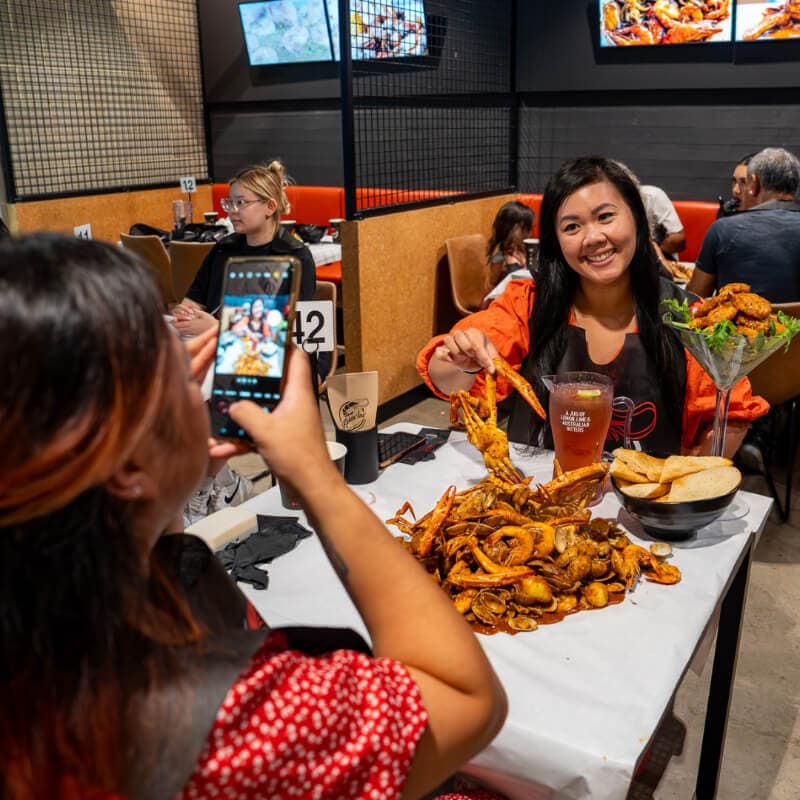
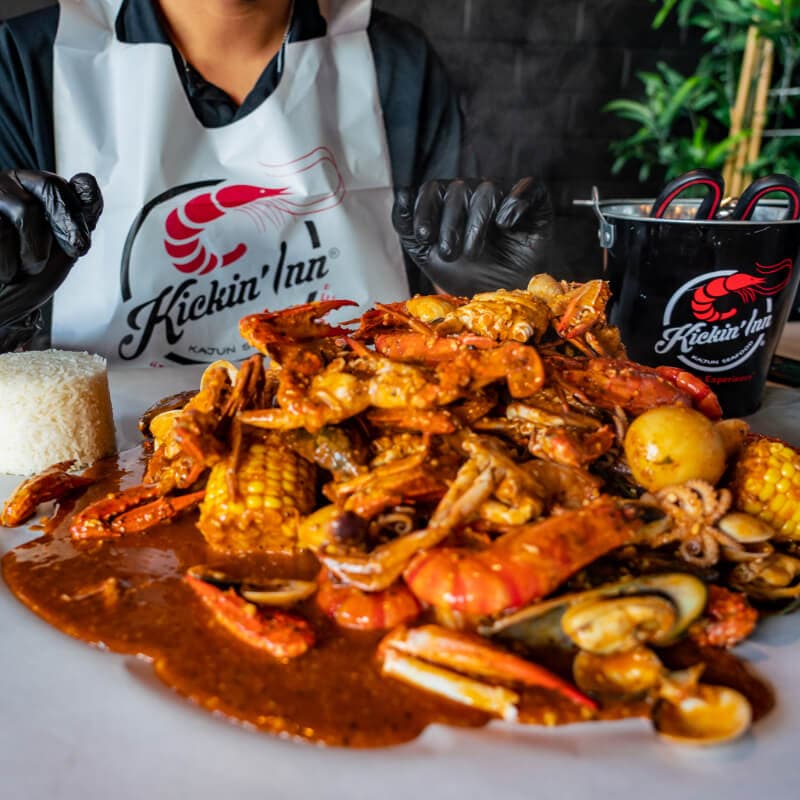
Cajun and Creole cuisines emphasise bold seasonings and communal dining experiences. Cajun cuisine features generous use of spices like cayenne, paprika, garlic, and black pepper, while being centered around one-pot meals and family-style gatherings. Seafood boils combine multiple species with vegetables and spices for hands-on eating experiences.
These preparations often feature robust spice blends that can range from mildly warming to intensely hot. Understanding spice level indicators helps you choose appropriately for your heat tolerance.
How Do Asian Seafood Preparations Differ
Asian cuisines often emphasise freshness and natural flavours with minimal manipulation. Steaming, quick stir-frying, and raw preparations preserve the seafood’s inherent qualities.
Soy-based sauces, ginger, and citrus frequently appear in these preparations. Understanding these flavour profiles helps you anticipate how dishes will taste.
What Strategies Help You Learn Menu Items Effectively
Whether you’re a diner wanting to understand options better or someone working in the seafood industry, developing effective learning strategies makes navigation much easier.
How Can You Build Menu Knowledge Systematically
Combining visual learning with hands-on experience creates the strongest foundation for menu understanding. Writing down descriptions while tasting actual dishes helps create lasting memory connections that make future ordering decisions more confident.
Dividing menu sections into manageable categories and learning them sequentially prevents overwhelm while ensuring thorough coverage. Focus on popular items first, as these represent the most common ordering patterns you’ll encounter.
What Tools Make Learning More Effective
Visual aids significantly enhance learning for many people. Looking at finished dishes, whether in person or through photos, helps create mental associations between names and actual presentations.
- Create personal notes linking dish names to key ingredients
- Practice describing preparations in your own words
- Focus on distinguishing features between similar items
- Group items by cooking method or flavour profile
- Review popular combinations and customer favourites
Flashcard systems work well for memorising ingredient lists and preparation methods. Digital tools can make this process more convenient and allow for regular review sessions.
How Do You Handle Complex Seafood Menu Situations
Even experienced diners encounter challenging menu situations that require additional navigation strategies.
What Should You Do When Feeling Overwhelmed
Large seafood menus can feel intimidating, but breaking them down into smaller decisions makes the process manageable. Start by identifying your preferred protein type, then narrow down cooking methods.
Don’t hesitate to ask serving staff for recommendations based on your preferences. Experienced servers understand menu offerings well and can guide you toward options that match your taste and dietary needs.
How Can You Expand Your Seafood Comfort Zone
Gradual exploration works better than dramatic leaps when trying new seafood varieties. Start with preparations similar to dishes you already enjoy, then branch out to new species or cooking methods.
Sharing plates or combination options allow you to sample multiple items without committing to large portions of unfamiliar preparations. This approach reduces risk while expanding your seafood knowledge.
What the research says about seafood menu navigation
Understanding how to read seafood menus effectively is supported by evidence from various industry and health sources:
- Modern freezing techniques can preserve seafood quality as effectively as fresh options when properly handled and stored
- Market pricing for seafood reflects real-time supply and demand fluctuations, making seasonal selections often the best value
- Clear communication about allergies is crucial, as seafood allergies can trigger severe, potentially life-threatening reactions
- Bold seasoning traditions in Cajun cuisine create distinctive flavour profiles that emphasise communal dining experiences
- Professional menu design principles support organised category systems, though specific seafood menu standards continue to evolve across the industry
What Makes a Great Seafood Dining Experience
Understanding menu reading represents just one component of enjoying seafood dining fully. Knowing what to expect and how to engage with the experience enhances satisfaction significantly.
How Do You Communicate Effectively with Seafood Restaurant Staff
Clear communication about preferences, allergies, and expectations helps ensure a positive dining experience. Don’t hesitate to ask about preparation methods, spice levels, or ingredient substitutions.
Experienced seafood restaurant staff appreciate customers who engage with menu knowledge and ask thoughtful questions about preparation and sourcing.
Whether you’re exploring a neighbourhood fish and chips shop or diving into an elaborate seafood boil experience, confidence in reading menus enhances your ability to discover new favourites and enjoy familiar ones. The combination of understanding terminology, recognising quality indicators, and applying systematic learning approaches transforms seafood dining from potentially confusing to genuinely enjoyable.
Think you have what it takes to work at Kickin'Inn?
Fill out an expression of interest form here. We strive to respond to all applicants as promptly as possible. We look forward to hearing from you!