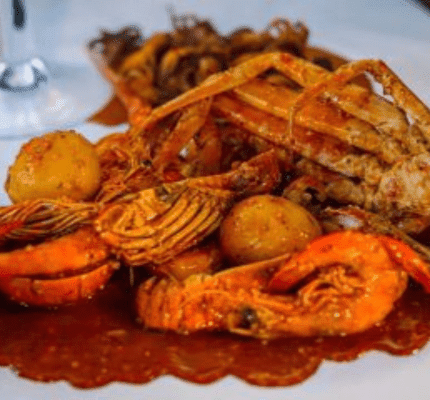
Craving a messy, flavourful seafood boil but wondering if it’s safe during pregnancy? You’re not alone! Many expecting mums find themselves dreaming of prawns, crab, and mussels drenched in bold sauces, but pregnancy brings questions about seafood safety that can make you second-guess your cravings. The good news is that seafood boil pregnancy safety isn’t as complicated as you might think.
The short answer is yes – most seafood boils can be safely enjoyed during pregnancy when prepared properly. Cooked seafood like prawns, crab, and lobster is generally considered safe for expecting mothers, especially when it’s low in mercury and cooked to the right temperature. However, there are some important guidelines to follow to ensure both you and your baby stay healthy while you indulge in that hands-on dining experience.
Let’s dive into everything you need to know about enjoying seafood boils safely during pregnancy, from understanding which seafood options are best to practical tips for making smart choices when dining out 🦐
What Makes Seafood Safe During Pregnancy
Understanding seafood safety during pregnancy comes down to two main factors – proper cooking and mercury content. When seafood is fully cooked to the right internal temperature, it eliminates harmful bacteria and parasites that could pose risks during pregnancy. Meanwhile, choosing low-mercury options helps protect your developing baby’s nervous system.
How Cooking Temperature Affects Safety
Fully cooked seafood is the golden rule for pregnancy safety. This means your prawns should be pink and opaque, crab should be bright red or orange, and mussels should have opened during cooking (discard any that remain closed). The high heat used in seafood boils typically ensures everything reaches safe internal temperatures.
Raw or undercooked seafood poses risks because it can harbour bacteria like salmonella or listeria, which can cause food poisoning. During pregnancy, your immune system is naturally suppressed, making you more susceptible to foodborne illnesses that could affect both you and your baby.
Why Mercury Levels Matter
Mercury is a naturally occurring metal that accumulates in some fish and seafood. High levels of mercury can affect your baby’s developing brain and nervous system. Fortunately, most seafood commonly found in boils – like prawns, crab, and mussels – are naturally low in mercury, making them safer choices during pregnancy.

Which Seafood Boil Options Are Pregnancy Safe
Not all seafood is created equal when it comes to pregnancy safety. Here’s a breakdown of common seafood boil ingredients and how they stack up for expecting mothers.
The Green Light Seafood List
These low-mercury, cooked seafood options are generally considered safe during pregnancy when properly prepared:
- Prawns and shrimp – Excellent source of protein and naturally low in mercury
- Crab – Safe when fully cooked, with sweet meat that’s rich in nutrients
- Mussels – Low mercury content and high in omega-3 fatty acids
- Crawfish – Popular in Cajun boils and considered safe when cooked properly
- Lobster – Low mercury option that’s safe in moderation
Seafood to Limit or Avoid
While most seafood boil ingredients are safe, some varieties require more caution:
- Large fish – Shark, king mackerel, and swordfish are high in mercury and best avoided
- Raw oysters – Skip these entirely during pregnancy due to bacteria risks
- Smoked seafood – Unless it’s cooked in the boil, avoid cold-smoked options
| Seafood Type | Mercury Level | Pregnancy Safety | Serving Recommendation
|
|---|---|---|---|
| Prawns/Shrimp | Low | Safe | 2-3 servings per week |
| Crab | Low | Safe | 2-3 servings per week |
| Mussels | Low | Safe | 2-3 servings per week |
| Lobster | Low-Medium | Safe in moderation | 1-2 servings per week |
| Raw Oysters | Low | Avoid | None |
How Often Can You Enjoy Seafood Boils When Pregnant
Moderation is key when it comes to seafood consumption during pregnancy. Health authorities generally recommend that pregnant women consume 2-3 servings of low-mercury seafood per week, which translates to about 200-300 grams of cooked seafood.
What Counts as One Serving
A single serving of seafood is typically about 100 grams of cooked seafood, roughly the size of your palm. In seafood boil terms, this might be:
- About 6-8 large prawns
- One medium crab (depending on size)
- A generous handful of mussels
- Half a lobster tail
Most seafood boils contain a mix of different types, so you’re likely getting variety within your weekly allowance. The occasional seafood boil as part of a balanced diet is perfectly reasonable for most pregnant women.
Benefits of Omega-3 Fatty Acids
Beyond just being safe, seafood provides valuable omega-3 fatty acids that support your baby’s brain development. These essential fats are particularly concentrated in the brain and eyes, making them important during the rapid development that occurs in the second and third trimesters.
What About Spice Levels and Sauces During Pregnancy
One concern many pregnant women have about seafood boils is the spice level. The good news is that spicy food won’t harm your baby, though it might affect your own comfort levels, especially if you’re dealing with pregnancy-related heartburn or nausea.
Managing Heat Levels
Spicy foods are generally safe during pregnancy, but your tolerance might change. Many women find they’re more sensitive to spice during pregnancy, while others crave extra heat. Listen to your body and don’t feel pressured to match your pre-pregnancy spice preferences.
If you’re dining with others, consider ordering a mix of spice levels so you can control your own heat intake. Most seafood boil restaurants offer everything from mild butter garlic to fiery Cajun blends.
Sauce Ingredients to Consider
Most seafood boil sauces are pregnancy-safe, but here are a few things to keep in mind:
- Garlic and herbs – Generally beneficial and safe in normal food quantities
- Butter-based sauces – Safe but high in saturated fat, so enjoy in moderation
- Lemon and citrus – Actually helpful for iron absorption from seafood
- Hot sauce – Safe if you can tolerate the heat
How to Ensure Food Safety When Dining Out
When you’re dining out for a seafood boil, there are several practical steps you can take to ensure you’re getting the safest possible meal.
What to Look for in Restaurant Quality
Choose restaurants with high turnover and good food safety practices. Look for places where seafood is served steaming hot, indicating it’s been cooked recently and to proper temperatures. The seafood should smell fresh and oceanic, never fishy or ammonia-like.
Don’t hesitate to ask questions about preparation methods, sourcing, and cooking temperatures. Reputable restaurants should be happy to discuss their food safety practices, especially when they know you’re pregnant.
Timing and Freshness Considerations
Seafood boils are best enjoyed immediately after cooking. If your meal sits for extended periods, the risk of bacterial growth increases. Choose busy times when turnover is high, and avoid restaurants where food sits under heat lamps for long periods.
- Order during peak meal times for maximum freshness
- Eat your meal while it’s still steaming hot
- Don’t take leftovers home from seafood boils
- Trust your instincts – if something smells or looks off, don’t eat it
Special Dietary Accommodations
Many seafood boil restaurants can accommodate dietary restrictions that might become relevant during pregnancy. If you’re avoiding certain ingredients or need milder preparations, don’t hesitate to ask about modifications.
Signs to Watch Out For After Eating Seafood
While seafood boils are generally safe during pregnancy, it’s important to know what symptoms might indicate a problem and when to seek medical attention.
Normal vs Concerning Reactions
Normal reactions after a seafood boil might include mild heartburn from spicy sauces, feeling full from the generous portions, or slight thirst from the sodium content. These are typically temporary and not cause for concern.
Concerning symptoms that warrant medical attention include:
- Nausea and vomiting that starts several hours after eating
- Diarrhoea or stomach cramps
- Fever or chills
- Signs of allergic reaction like hives, swelling, or difficulty breathing
- Unusual fatigue or feeling unwell
When to Contact Your Healthcare Provider
Contact your doctor or midwife if you experience any symptoms of food poisoning within 72 hours of eating seafood. During pregnancy, foodborne illnesses can potentially affect both you and your baby, so it’s better to err on the side of caution.
If you have a known seafood allergy or develop new allergic reactions during pregnancy, avoid seafood entirely and discuss alternatives with your healthcare provider.
Making Smart Choices for Group Dining
Seafood boils are inherently social experiences, often shared with family and friends. Here’s how to navigate group dining while maintaining your pregnancy safety standards.
Communicating Your Needs
Don’t feel embarrassed about your dietary restrictions during pregnancy. Most people are understanding and supportive when they know you’re looking out for your baby’s health. Speak up about spice levels, preparation methods, and any concerns you might have.
Consider calling ahead to discuss your needs with the restaurant. Many establishments are experienced in accommodating pregnant diners and can suggest the safest options on their menu.
Portion Control and Sharing
Seafood boils are typically served family-style, making it easy to control your portions. This actually works in your favour during pregnancy, as you can sample variety while staying within recommended serving sizes.
Focus on the low-mercury options like prawns and crab, and balance your seafood with pregnancy-friendly sides like corn, potatoes, and vegetables that are often included in boils.
What to Do Next for Safe Seafood Enjoyment
Now that you understand the basics of seafood boil safety during pregnancy, you can make informed decisions about when and how to indulge your cravings. The key is choosing reputable restaurants, sticking to low-mercury seafood options, and listening to your body’s responses.
Remember that pregnancy doesn’t mean giving up all your favourite foods – it just means being more thoughtful about your choices. A well-prepared seafood boil can be a safe, nutritious, and thoroughly enjoyable meal that provides valuable protein and omega-3 fatty acids for both you and your developing baby.
If you’re still unsure about specific seafood choices or have particular health concerns, don’t hesitate to discuss your diet with your healthcare provider. They can provide personalised guidance based on your individual pregnancy and health history.
Ready to satisfy those seafood cravings safely? Choose a busy, reputable restaurant, opt for the low-mercury stars like prawns and crab, and prepare for a deliciously messy dining experience that you can enjoy with complete peace of mind! 🦀
Key Takeaways for Pregnant Seafood Lovers
Enjoying a seafood boil during pregnancy is absolutely possible when you follow smart safety guidelines. The combination of proper cooking methods, low-mercury seafood choices, and reputable restaurants makes this a pregnancy-friendly dining option that many expecting mothers can safely enjoy.
The most important points to remember are choosing fully cooked, low-mercury seafood like prawns, crab, and mussels, limiting your consumption to 2-3 servings per week, and trusting your instincts about food quality and preparation. With these guidelines in mind, you can dive into that flavourful, hands-on dining experience while supporting your baby’s healthy development.
Don’t let pregnancy fears keep you from enjoying life’s delicious moments – just enjoy them thoughtfully and safely! 🤤
Think you have what it takes to work at Kickin'Inn?
Fill out an expression of interest form here. We strive to respond to all applicants as promptly as possible. We look forward to hearing from you!