A split cream sauce is one of the most dispiriting things that can happen on a weeknight. One minute it is glossy, the next it has gone grainy with a slick of oil on top. 😩
The fix is not a better recipe. It is understanding the three things that break a cream sauce, and then simply not doing them. Here is the whole picture.
Why cream splits in the first place
Cream is fat suspended in water, held together by proteins. Splitting is that suspension breaking, and three things cause it.
Heat is the main culprit. Push cream to a hard, rolling boil and the proteins tighten and squeeze out the fat, which is the greasy layer you can see. Acid is the second, because lemon juice or wine added to hot cream can curdle it on contact. Low fat content is the third, and it is the one people never suspect.
The fat content thing matters most
In Australia, thickened cream sits around 35% fat and is the right choice here. Pure cream is also fine. What will betray you is light cream, cooking cream, or anything labelled reduced fat, because there is not enough fat to hold the emulsion together once it gets hot.
So if your sauce keeps splitting and you have been careful with the heat, check the carton. That is very often the entire answer.

The prawn part, done properly
Before the sauce, the prawns, because overcooked prawns in a perfect sauce is still a failed dish.
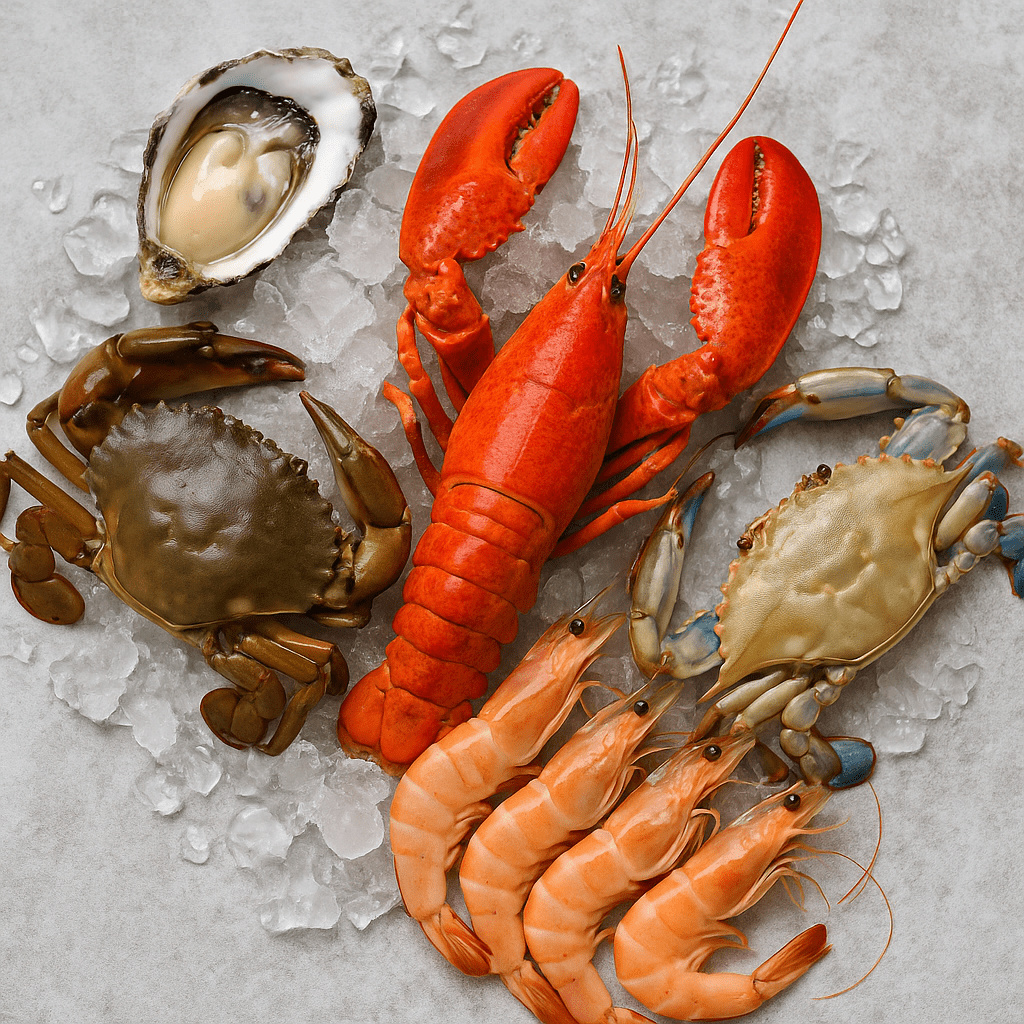
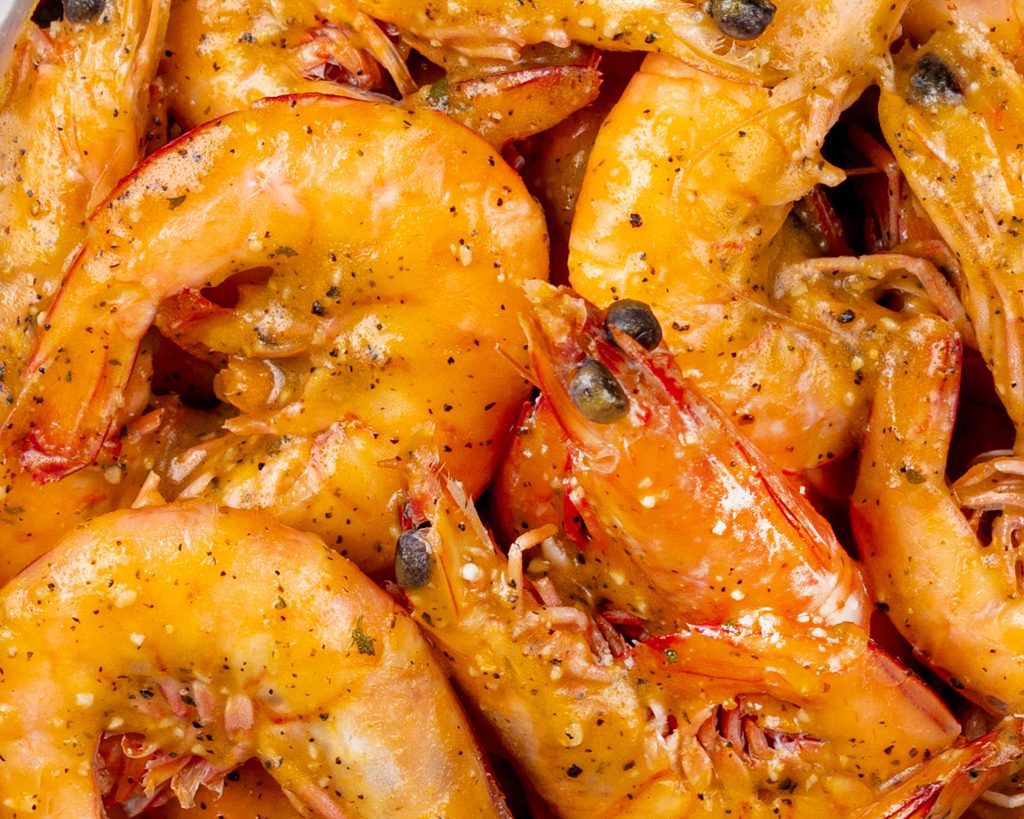
Buy green prawns, which is the Australian term for raw. There are five major species of Australian wild prawns, and it is worth asking whether what you are buying is wild and Australian, because the sweetness of a good local prawn is doing a lot of the work in a simple dish like this.
Store them properly in the meantime. The NSW Food Authority advises keeping prawns in an airtight container or tightly covered, away from other food, in the coldest part of the fridge, and leaving them in the shell.
Then pat them bone dry. Any water on the prawns ends up in your sauce, thinning it and making it more likely to break when you try to reduce it back down.
The method that does not split
Serves four. The order here is doing all the work, so follow it exactly.
- Sear the prawns hard and fast, then remove them. Ninety seconds a side in oil, then onto a plate.
- Drop the heat to medium-low. This is the single most important instruction in the recipe.
- Butter, then onion, then garlic. Soften the onion first, garlic for only thirty seconds after.
- Deglaze with a splash of stock or wine and reduce it. Get the acid cooked off before the cream arrives.
- Add room temperature cream, not fridge cold. Cold cream into a hot pan is a shock it does not need.
- Simmer gently, never boil. You want lazy bubbles at the edge, nothing more.
- Parmesan off the heat, a handful at a time. Dumping it in while boiling makes it clump and grease.
- Prawns back in for ten seconds, then serve. Only to warm through and coat.
Step four is the one people miss. If you are using lemon or wine, cook it down before the cream goes in. Adding acid to finished cream is the classic way to curdle a sauce in the last thirty seconds of an otherwise perfect cook.
Rescuing a sauce that has already gone
It happens. Here is the triage, and some of it genuinely works.
| Symptom | Cause | Rescue |
|---|---|---|
| Slight graininess | Just starting to break | Off the heat, whisk in a splash of cold cream |
| Oil pooling on top | Properly split from heat | Off the heat, whisk hard with an ice cube |
| Curdled lumps | Acid added to hot cream | Blend it smooth, or strain and start the finish again |
| Thin and watery | Wet prawns, or not reduced | Remove prawns, reduce gently, do not boil |
| Clumpy cheese | Parmesan added over heat | Add cheese off the heat, gradually |
| Greasy and separated beyond saving | Low fat cream | Nothing. Buy thickened cream next time. |
The ice cube trick sounds like nonsense and works more often than it should. Pull the pan off the heat, drop in one ice cube, and whisk hard. The sudden cooling plus agitation can pull the emulsion back together. Not always, but it is free to try.
A tiny bit of insurance
If you want a sauce that is genuinely difficult to break, there are two legitimate cheats.
A teaspoon of cornflour slurried in cold water, stirred in with the cream, stabilises the whole thing. Purists will object. Your sauce will not split. The starch physically gets in the way of the proteins tightening up.
The other is to finish with cold butter off the heat, whisked in a cube at a time. It enriches the sauce and helps hold the emulsion, and it is what a lot of restaurant kitchens are quietly doing.
Neither is cheating in any way that matters. They are just insurance, and nobody eating it will know.
Keeping it safe, and the leftovers question
Cream and seafood together is not a combination to leave sitting out.
Food Standards Australia New Zealand notes that proper cooking kills almost all harmful microorganisms, with 70°C in the centre as the general benchmark. The harder part is afterwards.
Guidance on cooling says potentially hazardous food you intend to keep should be cooled to 5°C or colder as quickly as possible. So get leftovers into a shallow container and into the fridge rather than leaving the pan on the stove.
Reheating is the other trap. A cream sauce that survived cooking will often split on reheating, because people blast it. Reheat gently, over low heat, stirring, and accept that it will never be quite as good as it was the first time.
One safety note for the table
Seafood allergy is common in Australia and reactions can be severe, and prawns are among the most frequent triggers. This dish also contains dairy, so it is worth asking about both before you serve it.
If you need to cook a dairy-free version, coconut cream genuinely works here and is considerably harder to split than dairy cream. It changes the dish rather than ruining it.
Or have somebody else take the risk
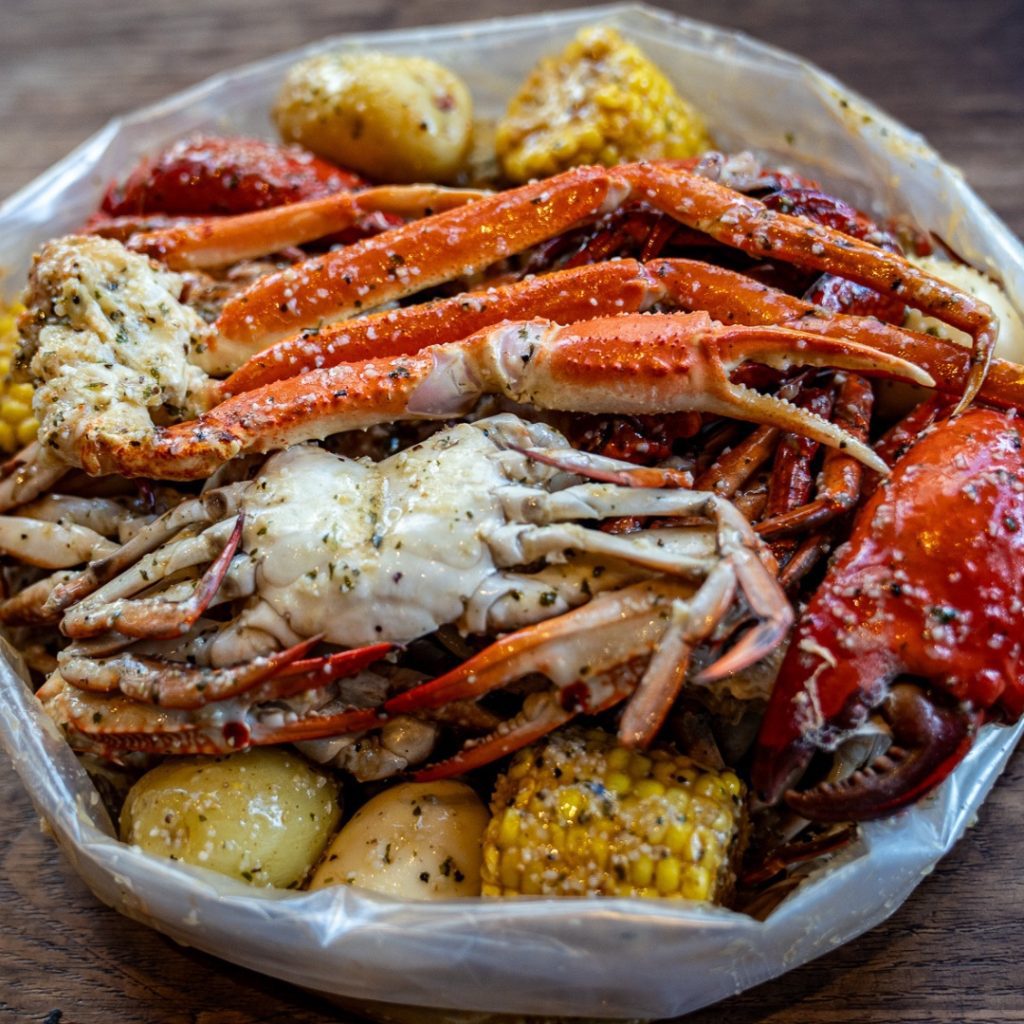
If you would rather not gamble on an emulsion on a Tuesday night, our seafood boil menu runs five Louisiana-inspired sauces, all gluten free, including Garlic Butter and Garlic Kajun that hit the same garlicky, buttery note without any cream to break.
Pick your seafood, pick your sauce, pick your heat from Original through to 000, and it turns up in a bag. There is a venue list here, and our FAQs cover the dairy and gluten questions properly if that matters for your table. 🦐
The short version
- Cream splits from too much heat, acid added too late, or not enough fat.
- Use thickened or pure cream, never light or reduced fat.
- Buy green prawns and pat them completely dry.
- Store prawns covered, in the shell, in the coldest part of the fridge.
- Sear the prawns first and take them out before building the sauce.
- Drop the heat to medium-low before the cream goes in.
- Cook off wine or lemon before adding cream, not after.
- Use room temperature cream rather than fridge cold.
- Simmer gently, never boil a cream sauce.
- Add parmesan off the heat, gradually.
- An ice cube whisked in off the heat can rescue a split sauce.
- A teaspoon of cornflour is legitimate insurance.
- Cool leftovers quickly to 5°C or colder.
- Reheat gently or it will split again.
- Coconut cream is a dairy-free option that resists splitting.
Low heat, full fat cream, acid early and cheese off the heat. Follow those four and you will not see a split sauce again. 🤤
Think you have what it takes to work at Kickin'Inn?
Fill out an expression of interest form here. We strive to respond to all applicants as promptly as possible. We look forward to hearing from you!