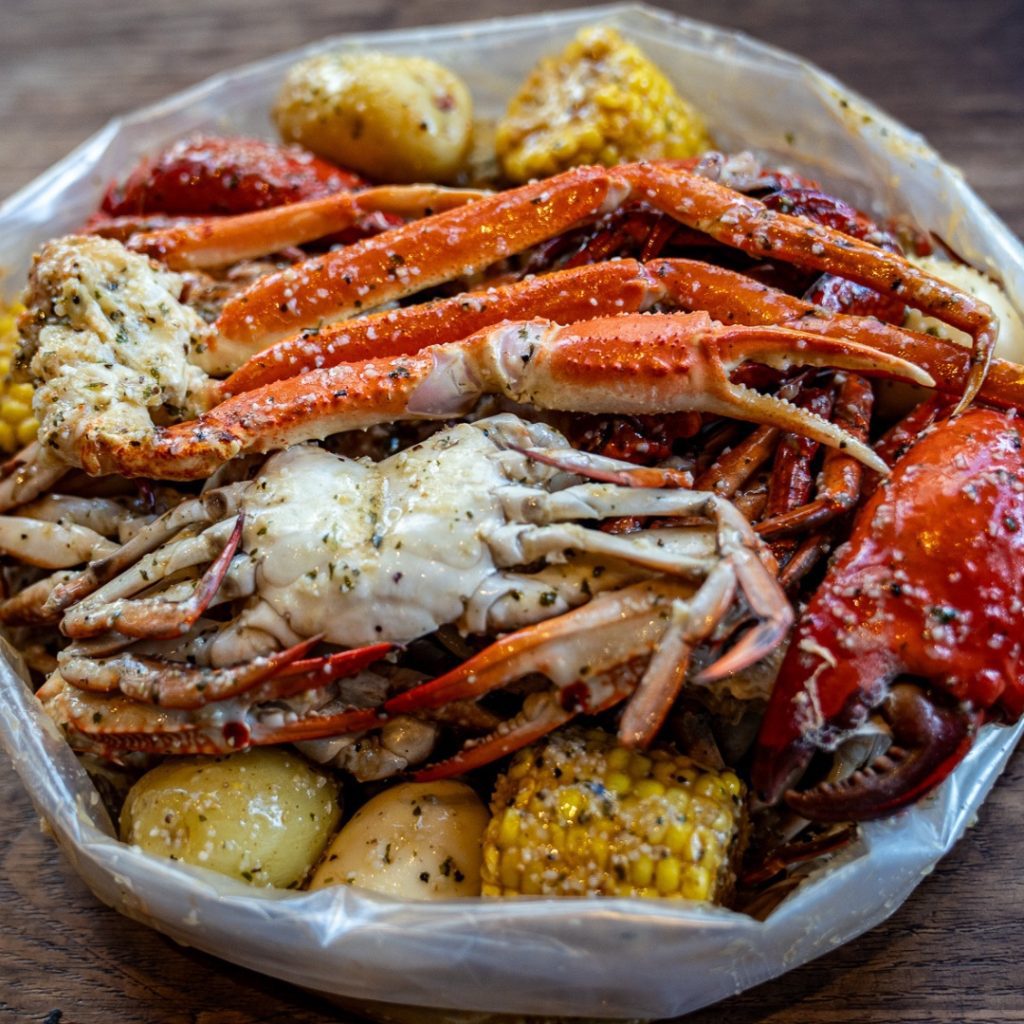
When you’re craving a hands-on dining experience with bold, spicy flavours, you might find yourself wondering about the difference between a crab boil and a seafood boil. While these two cooking methods share many similarities, understanding their distinctions can help you choose the perfect meal for your next gathering or restaurant visit.
A crab boil is essentially a focused version of a seafood boil, featuring crab as the star ingredient alongside traditional accompaniments like corn, potatoes, and aromatic seasonings. Multiple traditional recipes confirm that crab takes centre stage in these preparations, cooked in a richly spiced broth. The main difference lies in the primary protein – whilst a seafood boil can include various combinations of prawns, mussels, crawfish, and fish, a crab boil centres specifically around fresh or pre-cooked crab prepared in a flavourful, spiced broth.
Both cooking styles originated from the same Southern American and Cajun traditions, where communal cooking and bold seasonings create an unforgettable dining experience. Let’s explore what makes each approach special and how to get the most from your seafood adventure.
What Makes A Traditional Crab Boil Special
A crab boil transforms simple ingredients into a feast through careful timing and bold seasoning. The process involves cooking crab in a large pot of seasoned boiling water, typically alongside vegetables that absorb the rich, spicy flavours of the broth.
How Does The Cooking Process Work
The key to a successful crab boil lies in the sequence of adding ingredients. Professional seafood boil guides emphasise that success depends on precise timing and ingredient sequencing. The seasoned water comes to a rolling boil first, followed by longer-cooking vegetables like potatoes and onions.
After about 10-12 minutes, quicker-cooking items like corn and the crab itself are added to the pot, though the exact timing can vary depending on your specific recipe and preferences. This timing ensures that nothing becomes overcooked whilst allowing all the flavours to meld together beautifully.
What Types Of Crab Work Best
Not all crab varieties perform equally well in a boil setting. Snow crab legs are widely recommended for their ease of preparation and excellent taste. They’re pre-portioned, simple to eat, and absorb seasonings effectively without requiring the labour-intensive process of extracting meat from whole crabs.
Dungeness crab offers wonderful sweet flavours and works well in boils, though some find the process of extracting meat from whole crabs requires more skill and patience compared to the straightforward approach of cracking into pre-separated legs.
How Does A Seafood Boil Differ From A Crab Boil
The primary distinction between these two approaches lies in variety and focus. A seafood boil embraces diversity, combining multiple types of seafood to create a more complex flavour profile and varied textures in a single pot.
What Seafood Options Are Included
Seafood boils typically feature a combination of the following ingredients:
- Prawns or shrimp, often with shells on for maximum flavour
- Mussels or clams for briny oceanic taste
- Crawfish during peak season
- Various fish pieces, usually firm white fish
- Crab legs or whole crab as one component rather than the star
However, popular seafood boil recipes show that the exact combination varies, with crab often playing a more prominent role than you might expect. This variety allows diners to sample different textures and flavours within the same meal, making it ideal for groups with diverse preferences or those wanting to explore multiple seafood options.
How Do Cooking Times Vary With Mixed Seafood
Managing a seafood boil requires careful attention to timing since different seafood varieties have varying cooking requirements. Experienced seafood boil cooks know that mussels and clams need just enough time to open (typically 3-5 minutes), whilst prawns require precise timing to avoid becoming rubbery. Fish pieces cook quickly and can easily become overcooked if added too early.
The general approach involves adding heartier items first and finishing with the most delicate seafood. This staged cooking process ensures that each component reaches its optimal texture and flavour.
What Cooking Methods Produce The Best Results
Whilst boiling gives these dishes their name, alternative cooking methods can sometimes produce superior results depending on your goals and the specific seafood you’re preparing.
Is Steaming Better Than Boiling For Crab
Steaming has gained recognition as a superior method for preparing crab, particularly when flavour retention is the priority. Culinary experts widely agree that this gentler cooking approach prevents the leaching of natural crab flavours into the cooking liquid, resulting in more concentrated seafood taste in the final product.
Steaming also reduces the risk of overcooking, which is particularly important when working with pre-cooked crab. Since most commercially available crab is already cooked, the goal becomes heating it through whilst preserving its optimal texture.
How Should You Handle Pre-Cooked Crab
Understanding whether your crab is pre-cooked significantly impacts your preparation approach. Industry specialists confirm that most crab sold in supermarkets and seafood shops has already been cooked, requiring only gentle reheating rather than full cooking.
When working with pre-cooked crab, the focus shifts to warming it through whilst infusing it with your chosen seasonings. This process typically takes just 3-5 minutes in boiling liquid, compared to the 12-15 minutes required for raw crab.
Which Preparation Techniques Make The Biggest Difference
Success in both crab boils and seafood boils depends heavily on preparation techniques that enhance accessibility and flavour absorption.
What Tools Simplify The Process
Kitchen shears prove invaluable for accessing crab body meat and making shell removal easier for diners. Pre-cutting shells in strategic locations allows seasonings to penetrate more effectively whilst making the eating experience more enjoyable.
For whole crabs, creating small cracks in the shell before cooking helps seasonings reach the meat whilst maintaining the visual appeal of serving whole crabs. This technique balances presentation with practical eating considerations.
How Do You Maximise Flavour Absorption
The timing and sequence of ingredient addition directly impacts flavour development. Vegetables like potatoes, corn, and onions not only contribute their own flavours but also absorb the seasoned cooking liquid, becoming flavourful accompaniments rather than mere sides.
Traditional seasonings form the foundation of both crab boils and seafood boils. The combination typically includes:
- Bay leaves for aromatic depth
- Cayenne pepper for heat
- Paprika for colour and mild spice
- Garlic for pungent flavour
- Lemon for brightness and acidity
- Salt for seasoning and brining effects
What Should You Consider When Choosing Between Options
Your decision between a crab boil and a seafood boil depends on several practical factors, from your skill level to the preferences of your dining companions.
How Does Skill Level Impact Your Choice
Crab boils generally offer a more straightforward approach, especially when using snow crab legs or other pre-portioned options. The single protein focus simplifies timing and reduces the complexity of managing multiple seafood varieties with different cooking requirements.
Seafood boils demand more attention to timing and sequencing but reward experienced cooks with greater variety and complexity. Consider your comfort level with managing multiple cooking stages when making your selection.
What About Freshness And Availability
Live crabs from specialty seafood markets can provide the freshest possible product, though availability varies significantly by location. In many areas, high-quality frozen or pre-cooked options offer more consistent results than attempting to source truly fresh live seafood.
When fresh options aren’t readily available, focusing on the quality of pre-cooked seafood and expert seasoning becomes more important than pursuing fresh ingredients of questionable quality.
| Factor | Crab Boil | Seafood Boil |
|---|---|---|
| Preparation Complexity | Simpler timing and sequencing | Multiple cooking stages required |
| Flavour Profile | Focused crab flavour with seasonings | Complex blend of seafood flavours |
| Cost Consideration | Varies by crab type and market price | Can be managed through seafood selection |
| Group Appeal | Best for crab enthusiasts | Accommodates varied preferences |
| Eating Experience | Traditional and focused | Diverse and exploratory |
How Can You Enjoy The Best Seafood Boil Experience
Whether you choose to prepare your own seafood boil at home or visit a restaurant specialising in this style of cooking, understanding what to expect enhances your enjoyment of the meal.
What Makes For An Authentic Experience
The communal aspect of seafood boils forms an essential part of their appeal. The hands-on eating style, shared seasonings, and casual atmosphere create a social dining experience that differs markedly from formal restaurant meals.
Traditional serving involves spreading the cooked seafood and vegetables directly onto tables covered with paper or serving them family-style in large bowls. This approach encourages sharing and creates the interactive dining experience that defines authentic seafood boil culture.
What Should You Expect From The Dining Process
Eating seafood boils requires getting your hands involved. Cracking shells, extracting meat, and handling messy, buttery, spiced seafood forms part of the authentic experience. Restaurants typically provide bibs, wet wipes, and finger bowls to manage the practical aspects of this hands-on approach.
The bold seasonings mean that flavours intensify as you eat, with each piece of seafood carrying the accumulated spices from the cooking liquid. This flavour progression creates a unique dining experience where the meal becomes more flavourful rather than less interesting as it progresses.
What the research tells us about seafood boil preparation
Understanding the evidence behind seafood boil techniques helps you make better choices for your dining experience:
- Professional cooking guides consistently recommend adding ingredients in order of cooking time, starting with potatoes and finishing with delicate seafood to prevent overcooking
- Snow crab legs are favoured by many chefs because they’re pre-cooked and absorb seasonings well, making them ideal for beginners
- Steaming preserves crab’s natural sweetness better than boiling, though both methods can produce excellent results when properly executed
- The timing for different seafood varies between recipes – whilst most agree on basic principles, exact timing can depend on your specific ingredients and preferences
- Commercial crab is typically pre-cooked and needs only gentle reheating, which simplifies preparation but requires careful attention to avoid overcooking
Key Takeaways For Your Next Seafood Adventure
Understanding the distinctions between crab boils and seafood boils helps you make informed decisions about your next dining experience. Crab boils offer focused flavours and simpler preparation, whilst seafood boils provide variety and complexity for more adventurous diners.
Both approaches celebrate the same fundamental principles – fresh seafood, bold seasonings, and communal dining experiences that bring people together around great food. Whether you prefer the focused appeal of a traditional crab boil or the diverse offerings of a mixed seafood boil, the key lies in appreciating the craftsmanship behind the seasoning and the social nature of the meal.
The next time you’re considering a seafood boil experience, remember that the best choice depends on your personal preferences, skill level, and the occasion you’re celebrating. Both options offer their own unique rewards for those willing to embrace the delicious, hands-on adventure of Australian seafood dining.
Think you have what it takes to work at Kickin'Inn?
Fill out an expression of interest form here. We strive to respond to all applicants as promptly as possible. We look forward to hearing from you!