When you’re craving fresh seafood, you’ll often encounter two popular options on restaurant menus – seafood boils and seafood platters. While both deliver delicious oceanic flavours, these dining experiences offer completely different approaches to enjoying your favourite crustaceans, fish, and shellfish.
A seafood boil vs seafood platter comparison reveals distinct differences in preparation, presentation, and dining experience. Understanding these differences helps you choose the right option for your mood, group size, and preferred dining style. Whether you’re planning a casual gathering or seeking an elegant meal, knowing what to expect from each option ensures you’ll have the perfect seafood experience.
This guide explores the key distinctions between seafood boils and platters, helping you make informed decisions about your next seafood adventure. From preparation methods to cultural origins, we’ll cover everything you need to know about these beloved dining options.
What Is a Seafood Boil and How Does It Work
A seafood boil represents a communal cooking method where various seafood items are boiled together in a large pot with bold seasonings and spices. This American tradition, particularly popular in the Southern United States, transforms simple ingredients into a flavourful feast designed to feed large groups efficiently.
How Are Seafood Boils Prepared
The preparation process involves several key steps that create the signature experience. First, a large pot of water gets seasoned with a blend of spices that typically includes cayenne pepper, garlic, onions, and speciality seafood seasonings. The cooking liquid becomes intensely flavoured, infusing every ingredient with bold taste.
Different seafood items are added to the pot based on their cooking times. Potatoes and corn often go in first, followed by shellfish like crawfish, prawns, and crabs. The entire mixture cooks together, allowing flavours to meld and intensify throughout the process.
- Large communal pot accommodates multiple seafood varieties
- Intense seasoning blends create bold, spicy flavours
- Vegetables like corn and potatoes complement the seafood
- Everything cooks together for maximum flavour integration
What Makes the Dining Experience Unique
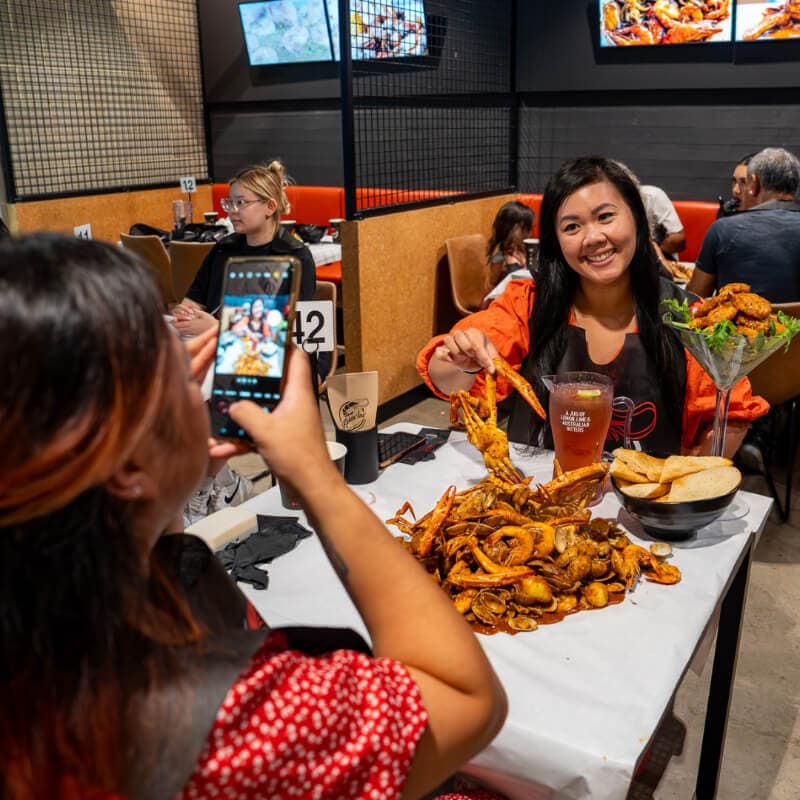
Seafood boils encourage a hands-on, interactive dining experience. The cooked seafood typically gets dumped directly onto paper-covered tables, creating a casual, messy, and social atmosphere. Diners use their hands to crack shells, peel prawns, and extract meat from various crustaceans.
This communal approach makes seafood boils particularly effective for feeding large groups. The preparation method maximises efficiency while creating an engaging social experience that brings people together around shared food.
What Is a Seafood Platter and How Does It Differ
A seafood platter presents multiple seafood items arranged elegantly on individual plates or large sharing platters. This approach emphasises presentation, variety, and the natural flavours of each seafood component, often with minimal seasoning to highlight the ocean’s inherent taste.
How Are Seafood Platters Constructed
Unlike the unified cooking method of boils, seafood platters involve preparing each item separately using cooking techniques that best suit each type of seafood. Prawns might be grilled, fish could be pan-fried, oysters served raw, and mussels steamed in white wine.
The presentation focuses on visual appeal and variety. Each seafood item maintains its distinct character and flavour profile, allowing diners to appreciate the unique qualities of different ocean offerings. Garnishes, sauces, and accompaniments are typically served on the side.
- Individual preparation methods for each seafood type
- Emphasis on natural seafood flavours
- Elegant presentation and visual appeal
- Variety of textures and cooking techniques
- Accompanying sauces and garnishes served separately
What Are the Key Cultural and Regional Differences
The distinction between seafood boils and platters reflects broader cultural approaches to seafood preparation and dining. These differences highlight varying philosophies about seasoning, presentation, and social dining experiences.
How Do Regional Preferences Shape These Options
While the exact origins are complex, seafood boils likely developed from practical needs in coastal regions where feeding large groups efficiently was important. Research suggests that these communal cooking methods helped make the most of abundant local seafood while creating shared experiences. The bold seasoning tradition reflects cultural preferences for intense, flavourful food that brings communities together. This approach embraces seasoning as a way to enhance and complement seafood’s natural taste rather than mask it.
In contrast, many coastal regions with long seafood traditions prefer preparations that highlight the ocean’s delicate flavours. This philosophy values the subtle taste differences between various seafood types and sees minimal intervention as the best way to appreciate premium ingredients.
| Aspect | Seafood Boil | Seafood Platter |
|---|---|---|
| Cultural Origin | American Southern tradition | European coastal influence |
| Seasoning Philosophy | Bold, intense flavours | Minimal, natural taste focus |
| Social Element | Highly communal, hands-on | Individual or refined sharing |
| Serving Style | Casual, messy, interactive | Elegant, organised presentation |
Why Do People Prefer Different Approaches
Personal preferences for seafood preparation often reflect cultural background, dining context, and individual taste preferences. Some diners appreciate the bold, unified flavours of seafood boils, while others prefer tasting distinct characteristics of each seafood variety.
The social context also influences preferences. Seafood boils excel for casual gatherings, celebrations, and group events where interaction and shared experience matter. Seafood platters work better for intimate dinners, business meals, or occasions requiring more formal presentation.
Which Option Should You Choose for Different Occasions
Selecting between a seafood boil and seafood platter depends on several factors including group size, dining atmosphere preferences, and the level of formality desired for your meal.
When Does a Seafood Boil Work Best
Seafood boils excel in specific situations where their unique characteristics align with your dining goals. Large group gatherings benefit from the efficient serving method and built-in social interaction. The hands-on nature encourages conversation and creates memorable shared experiences.
- Family gatherings and reunions with many people
- Casual celebrations and parties
- Outdoor events and festivals
- Team building activities and group outings
- When you want bold, spicy flavours
- Budget-conscious dining for large groups
When Are Seafood Platters More Appropriate
Seafood platters suit occasions requiring more refined presentation or when you want to appreciate individual seafood varieties. The elegant presentation and varied preparation methods work well for special occasions or when dining preferences vary within your group.
- Romantic dinners and intimate occasions
- Business meals and professional dining
- When you prefer subtle, natural flavours
- Special celebrations requiring elegant presentation
- Small groups or individual dining
- When dietary restrictions need accommodation
How Do Preparation Methods Affect Taste and Experience
The fundamental differences in how seafood boils and platters are prepared create entirely different flavour profiles and dining experiences. Understanding these preparation impacts helps you choose the option that matches your taste preferences and expectations.
What Flavour Differences Can You Expect
Seafood boils create uniform, intense flavours throughout all ingredients. The communal cooking process means every piece of seafood, every vegetable, and every grain of rice absorbs the same bold seasoning blend. This results in a cohesive flavour experience where individual seafood characteristics blend into a harmonious whole.
Seafood platters maintain distinct flavour profiles for each component. A grilled barramundi tastes different from steamed mussels, which taste different from fresh oysters. This approach allows you to appreciate the unique characteristics of various seafood types and compare their individual qualities.
How Does the Social Experience Differ
The hands-on nature of seafood boils naturally encourages interaction. Cracking shells, sharing tools, and navigating the communal pile of food creates conversation opportunities and shared moments. The messy process breaks down formal barriers and encourages a relaxed, festive atmosphere.
Seafood platters promote different social dynamics. The individual plates or organised sharing platters allow for more controlled eating and easier conversation without the distraction of shell-cracking and sauce-dripping. This setup works better for discussions requiring focus or meals where appearance matters.
What Should You Consider About Cost and Value
Understanding the economic aspects of seafood boils versus platters helps you make informed decisions based on your budget and value priorities. Both options offer different approaches to seafood value that appeal to different situations and preferences.
How Do Pricing Models Compare
Seafood boils typically offer better value for large groups due to their efficient preparation method and bulk cooking approach. The communal cooking process reduces labour costs and allows restaurants to serve more people with less individual preparation time.
Seafood platters may command higher prices due to individual preparation requirements and premium presentation, though pricing varies considerably. Each seafood item requires separate cooking techniques, plating skills, and often more expensive ingredients to achieve the desired quality and appearance.
- Seafood boils generally cost less per person for groups
- Platters offer premium ingredients and presentation
- Boils include filling accompaniments like potatoes and corn
- Platters focus budget on high-quality seafood varieties
- Group discounts often available for boil experiences
How to Make the Most of Your Seafood Dining Experience
Whether you choose a seafood boil or platter, certain strategies help you maximise enjoyment and get the best value from your dining experience. Understanding what to expect and how to approach each option ensures satisfaction with your choice.
What Should You Know Before Ordering
Research the restaurant’s speciality and reputation for your preferred style. Some establishments excel at creating authentic seafood boils with perfectly balanced seasonings, while others focus on premium seafood platters with expert preparation techniques.
Consider your group’s preferences and dietary requirements. Seafood boils typically offer limited customisation once cooking begins, while platters allow individual choices and modifications. If anyone in your group has spice sensitivity or specific seafood preferences, platters provide more flexibility.
Ask about freshness and sourcing when possible. Both options benefit from high-quality, fresh seafood, but the preparation methods affect how freshness impacts the final taste. Fresh ingredients matter more in minimally seasoned platters, while bold boil seasonings can enhance good-quality frozen seafood.
What the Research Shows About Seafood Dining Preferences
Understanding the evidence behind different seafood preparation methods helps explain why both boils and platters remain popular dining options.
- Seafood boils are consistently documented as effective communal dining experiences that encourage social interaction and group bonding
- The staged cooking approach in seafood boils (adding ingredients based on cooking times) maximises flavour integration while preventing overcooking
- Separate preparation methods for seafood platters allow each item to be cooked optimally, preserving individual textures and tastes
- Bold seasonings in boils can successfully enhance both fresh and good-quality frozen seafood, making this style accessible year-round
- However, the evidence on whether boils or platters offer better value is mixed, with pricing depending heavily on local market conditions and restaurant positioning
- Cultural preferences play a significant role in dining choices, though we don’t yet know for sure which factors most strongly influence individual preferences
What to Do Next for Your Perfect Seafood Experience
Now that you understand the differences between seafood boils and seafood platters, you can make confident decisions based on your specific dining goals. Consider your group size, preferred atmosphere, flavour preferences, and budget when making your choice.
For those ready to experience the bold, communal excitement of a seafood boil, look for restaurants that specialise in this authentic cooking style. The hands-on experience and intense flavours create memorable dining adventures perfect for celebrations and group gatherings.
If you prefer appreciating individual seafood varieties with elegant presentation, seek establishments known for their premium seafood platters and skilled preparation techniques. These experiences highlight the ocean’s natural diversity and work well for special occasions.
Remember that both options offer unique value and enjoyment. Your choice depends on matching the dining experience to your specific needs, preferences, and circumstances. Whether you choose the bold communal experience of a seafood boil or the refined variety of a seafood platter, quality ingredients and skilled preparation ensure a satisfying meal.
Think you have what it takes to work at Kickin'Inn?
Fill out an expression of interest form here. We strive to respond to all applicants as promptly as possible. We look forward to hearing from you!