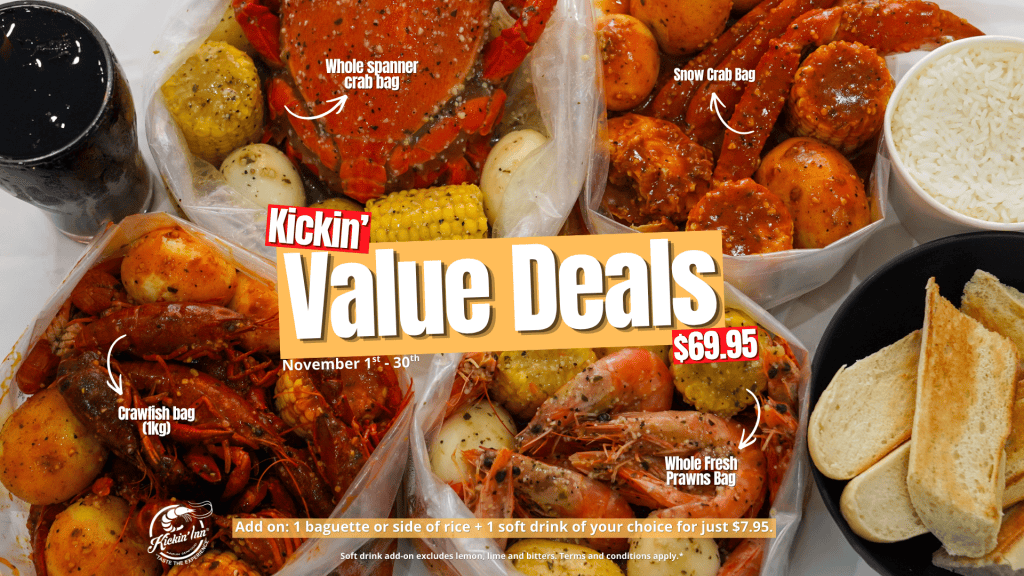
Planning a seafood feast can be both exciting and nerve-wracking, especially when you’re trying to figure out the right amount of seafood per person. Whether you’re hosting a backyard boil, ordering takeaway for the family, or planning a special celebration, getting the portions right ensures everyone leaves satisfied without breaking the budget or creating excessive waste.
The amount of seafood you need depends on several factors including the type of seafood, cooking method, what sides you’re serving, and your guests’ appetites. Understanding these variables helps you make confident ordering decisions and creates memorable dining experiences for everyone involved.
This guide breaks down practical portion recommendations, explores different scenarios you might encounter, and provides clear frameworks for calculating exactly how much seafood to order for any gathering size.
What Are the Standard Seafood Portion Guidelines
How Much Raw Fish Should You Plan Per Person
For raw preparations like poke bowls or sushi platters, community dining wisdom suggests generous portions work best. The consensus points to approximately 1 pound of fish per person as a reliable starting point, particularly when serving groups with hearty appetites or active lifestyles. However, industry serving guides note that this amount is more commonly recommended for entrée portions generally, while specific guidance for raw fish preparations can vary depending on the type of dish and accompaniments.
This generous allocation accounts for the fact that raw fish preparations often serve as the main protein without much filler. When fish is the star of the meal, people naturally consume more than they might with cooked preparations that include sauces, seasonings, and cooking liquids that add weight and volume.
What About Cooked Seafood Portions
Cooked seafood typically requires different calculations because cooking methods affect both weight and perceived fullness. Shell-on preparations like prawns, crab legs, and mussels include significant non-edible weight, while fillets and peeled seafood provide pure protein portions.
For shell-on seafood, plan for 0.75 to 1 pound per person depending on the type, though seafood specialists note that requirements vary significantly by species – with some items like crab legs needing 1 to 1.5 pounds per person. For cleaned, ready-to-eat seafood like fish fillets or peeled prawns, research suggests 0.5 to 0.75 pounds per person typically provides satisfying portions, aligning with professional serving recommendations of around 6 to 8 ounces per person for entrée portions.
How Do Different Dining Scenarios Affect Portion Planning
What Factors Influence Appetite Variations
Guest demographics significantly impact how much seafood people consume. Athletic individuals, teenagers, and manual workers often have substantially higher appetites than sedentary adults or seniors. Mixed-age groups require careful consideration of these appetite differences.
The dining context also matters enormously. Casual backyard gatherings where people are active and social tend to generate bigger appetites than formal sit-down dinners. Similarly, longer events spanning several hours may see increased consumption, though event planning experts suggest considering duration as one of several factors rather than following a fixed percentage increase.
Consider these appetite modifiers when planning portions:
- High appetite groups – teenagers, athletes, manual workers, outdoor events
- Moderate appetite groups – mixed adults, indoor social gatherings, lunch events
- Lower appetite groups – seniors, formal dinners, late-night events
- Duration impact – longer events may increase consumption, though the exact amount varies
How Do Side Dishes Change Seafood Requirements
The presence and type of side dishes dramatically affects seafood portion requirements. Heavy sides like rice, pasta, bread, and potato dishes can reduce seafood needs substantially, while light salads and vegetables have minimal impact on main protein consumption. While the exact reduction varies, experienced hosts find that substantial accompaniments allow for more conservative seafood portions.
Traditional seafood boils often include corn, potatoes, and sausage, which function as filling accompaniments. In these scenarios, you can confidently reduce pure seafood portions while still satisfying everyone’s hunger. However, when seafood stands alone or pairs only with light sides, maintain full portion recommendations.
What Are the Best Calculation Methods for Group Orders
How Should You Calculate Base Quantities
Start with a baseline calculation using these reliable formulas. For raw seafood servings, multiply your guest count by 0.75-1 pound per person. For mixed seafood boils with substantial sides, seafood boil guidance suggests around 0.5-0.75 pounds of total seafood per person works well, though this can vary based on the specific mix of ingredients. For pure cooked seafood without significant accompaniments, plan 0.6-0.8 pounds per person, keeping in mind that standard serving recommendations often fall in the 0.375-0.5 pound range for many seafood types.
These baseline calculations provide your starting point, but smart hosts always account for variability in their specific situation. Consider your guest list, event style, and planned accompaniments when adjusting from the baseline.
Why Should You Include Safety Buffers
Experienced hosts consistently recommend building in safety buffers to prevent shortages. A practical approach involves adding extra seafood beyond your calculated baseline, regardless of party size. This buffer accounts for unexpected appetite variations and ensures no guest leaves unsatisfied.
The buffer strategy proves particularly valuable for special occasions where running short creates lasting disappointment. Better to have modest leftovers than face awkward shortages during important celebrations.
Consider these buffer guidelines:
- Small gatherings (4-8 people) – add modest extra amounts
- Medium groups (9-15 people) – plan for slightly above baseline calculations
- Large parties (16+ people) – add 10-15% extra beyond baseline
- Special occasions – always lean toward generous portions
Which Seafood Types Require Special Considerations
How Do Shell-On Varieties Affect Calculations
Shell-on seafood requires careful weight calculations because shells constitute a substantial portion of total weight depending on the species. Research on marine mollusk shells indicates that most shells constitute 60-80% of total live weight, which is even higher than commonly estimated. Crab legs contain high shell-to-meat ratios, while prawns offer better meat yields. Understanding these ratios prevents disappointment when actual eating portions seem smaller than ordered weights.
When ordering shell-on varieties, focus on the expected edible yield rather than total weight. For example, crab legs typically provide varying amounts of actual meat depending on the type, while 1 pound of whole prawns yields approximately 6-7 ounces of meat after peeling.
| Seafood Type | Shell/Waste % | Edible Yield per Pound | Recommended Order Weight per Person |
|---|---|---|---|
| Crab legs | 60-70% | Varies by type* | 0.8-1.2 lbs |
| Whole prawns | 35-45% | 6-7 oz | 0.6-0.8 lbs |
| Mussels/clams | 50-60% | 4-5 oz | 0.7-1.0 lbs |
| Whole fish | 40-50% | 5-6 oz | 0.6-0.9 lbs |
*Crab leg meat yields vary significantly by species – king crab typically yields 50-70% meat by weight, while other varieties may differ.
What About Premium Seafood Selections
Premium seafood like lobster, fresh tuna, or specialty fish often commands higher prices and different consumption patterns. Guests typically savour these items more slowly and feel satisfied with smaller portions due to the rich flavours and special occasion nature.
For premium selections, you can often reduce portion sizes by 15-25% compared to standard seafood while maintaining guest satisfaction. The key lies in balancing exclusivity with adequate portions, ensuring everyone experiences the premium offering without waste.
How Can You Optimise Your Seafood Orders
What Mixing Strategies Work Best
Smart seafood ordering often involves mixing different types to create variety while managing costs and portions effectively. Combining premium items with more affordable options allows you to provide diverse experiences without overcommitting to expensive selections.
Consider offering 2-3 seafood varieties rather than focusing on just one type. This approach accommodates different preferences while allowing you to balance heavier, filling options with lighter, more refined choices. Mixed orders also provide natural portion control as people sample various options rather than overindulging in a single type.
Effective mixing combinations include:
- Budget-friendly base – prawns or mussels as the primary quantity
- Premium accent – smaller amounts of crab or lobster for special touches
- Preparation variety – mixing grilled, boiled, and raw preparations
- Texture contrast – combining firm fish with tender shellfish
How Should You Account for Dietary Preferences
Modern gatherings often include guests with various dietary preferences and restrictions. Some people avoid shellfish due to allergies, while others prefer specific preparation methods or sustainability concerns. Understanding your guest list helps inform both quantity and variety decisions.
When uncertainty exists about preferences, lean toward offering multiple options in smaller quantities rather than large amounts of fewer varieties. This strategy accommodates diverse tastes while preventing waste from items that remain untouched.
What the Research Says About Seafood Serving Sizes
Understanding evidence-based serving recommendations helps ensure your seafood orders meet both nutritional and satisfaction goals:
- Standard entrée portions: Professional seafood guides consistently recommend 6-8 ounces (about 0.4-0.5 pounds) per person for most cooked seafood entrées
- Shell-on considerations: Research shows shell weight can be substantial, with some species having shells that constitute up to 80% of total weight
- Serving context matters: Evidence suggests that accompaniments, event duration, and guest demographics all influence actual consumption, though specific percentage adjustments vary widely
- Individual variation: Studies on seafood consumption trends highlight significant differences in eating patterns across different population groups
- Safety and handling: Food safety guidelines emphasise proper storage and handling, which becomes particularly important when ordering larger quantities
What Should You Do When Planning Your Next Seafood Order
Start by conducting a quick guest survey, even informally, to gauge appetites and preferences. Count your definite attendees and note any known big eaters or dietary restrictions. This information forms the foundation for accurate quantity calculations.
Calculate your baseline using the portion guidelines provided, then add appropriate buffers based on your specific situation. Consider your planned sides, event duration, and guest demographics when making final adjustments. Remember that slight overordering creates better experiences than running short.
For convenient access to expertly portioned seafood options designed for groups, explore our menu selections which take the guesswork out of ordering the right amounts for your gathering.
Consider these final preparation steps:
- Confirm your final guest count 24-48 hours before ordering
- Account for any last-minute additions or dietary needs
- Plan your pickup or delivery timing to ensure peak freshness
- Prepare adequate serving and eating utensils for your chosen seafood types
- Have backup plans for storing any leftovers safely
Key Takeaways for Successful Seafood Portion Planning
Successful seafood ordering combines understanding standard portion guidelines with careful consideration of your specific situation. The baseline recommendation of 0.75-1 pound per person provides reliable starting points, but smart adjustments for guest demographics, side dishes, and event style ensure optimal results.
Always include modest buffers in your calculations, particularly for special occasions where running short creates lasting disappointment. Focus on edible yields rather than total weight when ordering shell-on varieties, and consider mixing different seafood types to provide variety while managing portions and costs effectively.
Most importantly, remember that generous hospitality trumps precise calculations. When in doubt, lean toward slightly more rather than risking shortages, and your guests will appreciate the abundance and thoughtfulness of your planning.
Think you have what it takes to work at Kickin'Inn?
Fill out an expression of interest form here. We strive to respond to all applicants as promptly as possible. We look forward to hearing from you!