
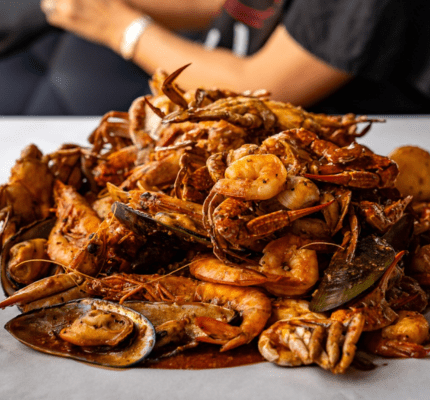
Starting your seafood journey can feel overwhelming when faced with countless options at restaurants and markets. Many people avoid seafood altogether simply because they don’t know where to begin or worry about choosing something they won’t enjoy. The good news is that certain beginner seafood dishes offer gentle introductions to oceanic flavours without intimidating textures or overpowering tastes.
Whether you’re transitioning from a vegetarian diet, expanding your culinary horizons, or simply want to incorporate more nutritious options into your meals, understanding which seafood works best for newcomers makes all the difference. The key lies in selecting mild-tasting varieties with familiar textures and straightforward preparation methods.
This guide breaks down the most beginner-friendly seafood options, explains why certain choices work better than others for first-timers, and provides practical tips for enjoying your initial seafood experiences with confidence.
Which Seafood Options Are Most Beginner-Friendly
Community wisdom consistently points to specific seafood varieties that work exceptionally well for newcomers. These options share common characteristics such as mild flavours, accessible textures, and forgiving cooking methods.
Why Prawns Top the List for First-Time Seafood Eaters
Prawns represent the perfect starting point for seafood beginners due to their naturally mild taste and versatile preparation options. Culinary experts consistently describe prawns as having a subtly sweet flavour that rarely overwhelms newcomers. Their firm, meaty texture feels familiar to those accustomed to chicken or other proteins.
The cooking process for prawns is remarkably straightforward and nearly foolproof. Professional cooking guides recommend frying prawns for just 2-3 minutes until pink, and their colour change from grey to pink provides clear visual cues for doneness. This eliminates much of the guesswork that intimidates first-time seafood cooks.
White Fish Varieties That Welcome Newcomers
White fish varieties such as cod, flathead, and barramundi offer excellent entry points into seafood consumption. Research shows that barramundi has a particularly mild, buttery flavour, making it ideal for beginners. These fish species share several beginner-friendly characteristics that make them particularly accessible.
- Exceptionally mild flavour profiles without strong oceanic tastes
- Flaky, tender textures that feel familiar and non-threatening
- Minimal bones when purchased as fillets, as confirmed by seafood industry standards
- Adaptable to various cooking methods and seasonings
- Readily available at most restaurants and seafood suppliers
The neutral taste of white fish makes them excellent canvases for familiar flavours. Beginners can season them with herbs, spices, or sauces they already enjoy, gradually building confidence with oceanic flavours over time.
How Should First-Time Seafood Eaters Approach Shellfish
Shellfish categories offer varied experiences for beginners, with some options proving more accessible than others. Understanding these differences helps newcomers make informed choices about their seafood exploration.
Mussels as an Ethical Starting Point
Mussels present a unique option for those concerned about animal welfare during their seafood transition. While the science isn’t entirely settled, some researchers suggest that mussels lack centralised nervous systems, though this remains a topic of ongoing scientific discussion among experts.
From a culinary perspective, seafood specialists describe mussels as offering mild, slightly sweet flavours that don’t overwhelm sensitive palates. They’re typically prepared in flavourful broths with garlic, white wine, or herbs, which helps newcomers ease into seafood tastes gradually. The communal aspect of eating mussels also creates a social, engaging dining experience.
When to Consider Other Shellfish Options
Other shellfish varieties require more consideration for beginners. Industry experts confirm that oysters present unique textures and stronger oceanic flavours that might challenge newcomers. Similarly, crab and lobster, while delicious, involve more complex eating techniques that could feel intimidating during initial seafood experiences.
Starting with simpler shellfish preparations allows beginners to develop familiarity with oceanic flavours before progressing to more challenging varieties.
What Seafood Should Beginners Approach with Caution
While many seafood options welcome newcomers, certain varieties present stronger flavours or more complex textures that might overwhelm first-time seafood eaters. Understanding these distinctions helps prevent disappointing initial experiences.
Why Salmon and Tuna Might Be Too Intense Initially
Despite their popularity and nutritional benefits, salmon and tuna can present challenges for seafood newcomers. Both fish species carry pronounced, distinctive flavours that differ significantly from milder proteins most people know well.
Seafood guides describe salmon’s rich, sometimes robust taste, though different varieties offer varying intensity levels. Similarly, tuna steaks offer intense, meaty flavours that might alienate those expecting subtler tastes. While these fish make excellent choices once palates develop, starting with them risks creating negative associations with seafood generally.
| Seafood Type | Flavour Intensity | Beginner Suitability | Best Timing |
|---|---|---|---|
| Prawns/Shrimp | Very mild | Excellent | First experiences |
| White Fish (Cod, Flathead) | Very mild | Excellent | First experiences |
| Mussels | Mild | Good | Early experiences |
| Salmon | Rich/Strong | Challenging | After developing taste |
| Tuna Steaks | Intense | Challenging | After developing taste |
Complex Preparation Styles to Avoid Initially
Beyond specific seafood types, certain preparation methods can complicate first-time experiences. Heavily spiced dishes or strongly flavoured sauces might mask the natural seafood taste that beginners need to appreciate gradually. Interestingly, culinary experts note that raw preparations like sashimi actually highlight pure seafood flavours rather than hiding them, though they may still feel intimidating to newcomers.
Starting with simpler preparations allows newcomers to understand base seafood flavours before exploring more complex culinary applications.
How Can Beginners Prepare Seafood Successfully at Home
Home cooking provides control over preparation methods and flavours, making it an excellent option for seafood beginners who want to experiment at their own pace. Simple techniques yield impressive results without requiring advanced culinary skills.
Essential Cooking Methods for Seafood Newcomers
Pan-frying represents the most beginner-friendly cooking method for most seafood varieties. This technique provides visual and tactile feedback that helps prevent overcooking while developing appealing textures and flavours. Cooking experts emphasise the importance of visual cues like colour changes and texture firmness to achieve perfect results.
For pan-frying success, start with room-temperature seafood and preheat your pan with a small amount of oil. Professional recipes suggest cooking prawns for approximately 2-3 minutes per side until pink, though cooking times can vary depending on size and heat level. White fish fillets typically require 3-4 minutes per side depending on thickness. The seafood should feel firm to gentle pressure when properly cooked.
Simple Seasoning Approaches That Enhance Natural Flavours
Beginner-friendly seasonings enhance seafood without overwhelming delicate flavours. Effective combinations include several accessible options that most home cooks already have available.
- Butter, lemon juice, and salt for classic simplicity
- Garlic, herbs, and olive oil for Mediterranean influences
- Mild Cajun seasoning with butter for gentle spice
- Fresh herbs like parsley or dill with lemon zest
- Light soy sauce and ginger for Asian-inspired flavours
Start with minimal seasoning and build complexity gradually. This approach allows beginners to appreciate natural seafood flavours while developing preferences for specific taste combinations.
Why Should Beginners Consider Restaurant Experiences First
Professional kitchens offer significant advantages for seafood newcomers who want to avoid the learning curve associated with home preparation. Restaurants provide expertly prepared dishes that showcase seafood at its best, creating positive first impressions.
Benefits of Professional Seafood Preparation
Restaurant experiences eliminate variables that might compromise first-time seafood enjoyment. Professional chefs understand optimal cooking times, seasoning balance, and presentation techniques that highlight each seafood variety’s best qualities.
Additionally, restaurant environments provide context and atmosphere that enhance dining experiences. Knowledgeable staff can recommend appropriate options based on individual preferences and answer questions about preparation methods or ingredients.
Questions to Ask When Ordering Seafood as a Beginner
Communicating with restaurant staff improves the likelihood of positive seafood experiences. Useful questions include asking about preparation methods, spice levels, and sauce intensities. Most servers appreciate honesty about seafood inexperience and can guide selections accordingly.
Request modifications if needed, such as sauce on the side or reduced spicing. Quality establishments accommodate reasonable requests that help ensure customer satisfaction.
How Can Mindful Approaches Support Seafood Transitions
For some individuals, particularly those transitioning from vegetarian diets, mental and emotional preparation enhances physical enjoyment of seafood experiences. Thoughtful approaches can address concerns while supporting positive associations.
Addressing Ethical Considerations Constructively
Many people find that acknowledging the source of their food and expressing gratitude helps overcome mental barriers associated with eating seafood. This mindful approach aligns consumption with personal values while supporting sustainable choices.
Research into seafood sourcing, preparation methods, and nutritional benefits can provide context that supports confident decision-making. Understanding these factors often reduces anxiety while building appreciation for quality seafood experiences.
Building Positive Associations Gradually
Successful seafood transitions typically occur through gradual exposure rather than dramatic dietary shifts. Seafood industry guides recommend starting with milder varieties like pollock and cod before progressing to bolder flavours, though the evidence for gradual versus immediate exposure approaches continues to develop.
Pairing new seafood experiences with familiar flavours and comfortable settings increases success rates. Choose relaxed environments and trusted dining companions who support your culinary exploration without pressure or judgement.
What the Research Says About Seafood for Beginners
Understanding what makes seafood approachable for newcomers helps build confidence in your choices. Current evidence and industry expertise support several key principles for successful seafood introduction.
- Mild-flavoured options consistently work best – Industry professionals agree that prawns, white fish like barramundi, and mussels offer accessible starting points with their naturally subtle tastes
- Visual cooking cues prevent common mistakes – Pan-frying provides clear indicators like colour changes and texture firmness that help beginners avoid overcooking
- Professional preparation often creates better first impressions – Restaurant experiences eliminate variables that might compromise initial seafood enjoyment
- Starting approaches show mixed results – While some suggest gradual exposure works best, the evidence for different introduction methods is still emerging
- Ethical considerations remain complex – The question of mussel sentience continues to be debated among researchers, with mixed evidence about their capacity for pain
What to Do Next for Your Seafood Journey
Starting your seafood adventure becomes much more manageable when you focus on beginner-friendly options and supportive environments. Begin with prawns or mild white fish at reputable restaurants, then gradually expand your palate as confidence builds.
Remember that developing appreciation for seafood takes time and patience. Each person’s journey differs, so move at your own pace while staying open to new experiences. The key lies in starting simple and building complexity gradually.
Consider visiting establishments that specialise in seafood preparation and can guide your selections based on experience level. Quality restaurants often provide the ideal setting for positive first impressions that encourage continued exploration of oceanic flavours and textures.
Key Takeaways for Seafood Beginners
Successful seafood introduction relies on smart initial choices and realistic expectations. Prawns and white fish varieties offer the most accessible starting points, while stronger-flavoured options like salmon and tuna work better after developing basic appreciation for oceanic tastes.
Professional preparation often provides better first experiences than home cooking, though simple techniques like pan-frying with basic seasonings can yield excellent results for motivated beginners. Most importantly, approach seafood exploration with curiosity and patience rather than pressure to immediately enjoy everything.
Your seafood journey can begin whenever you feel ready, progress at whatever pace feels comfortable, and include whichever varieties appeal to your developing palate. The ocean offers tremendous variety, ensuring that most people can find seafood options they genuinely enjoy with thoughtful selection and proper preparation.
Think you have what it takes to work at Kickin'Inn?
Fill out an expression of interest form here. We strive to respond to all applicants as promptly as possible. We look forward to hearing from you!


