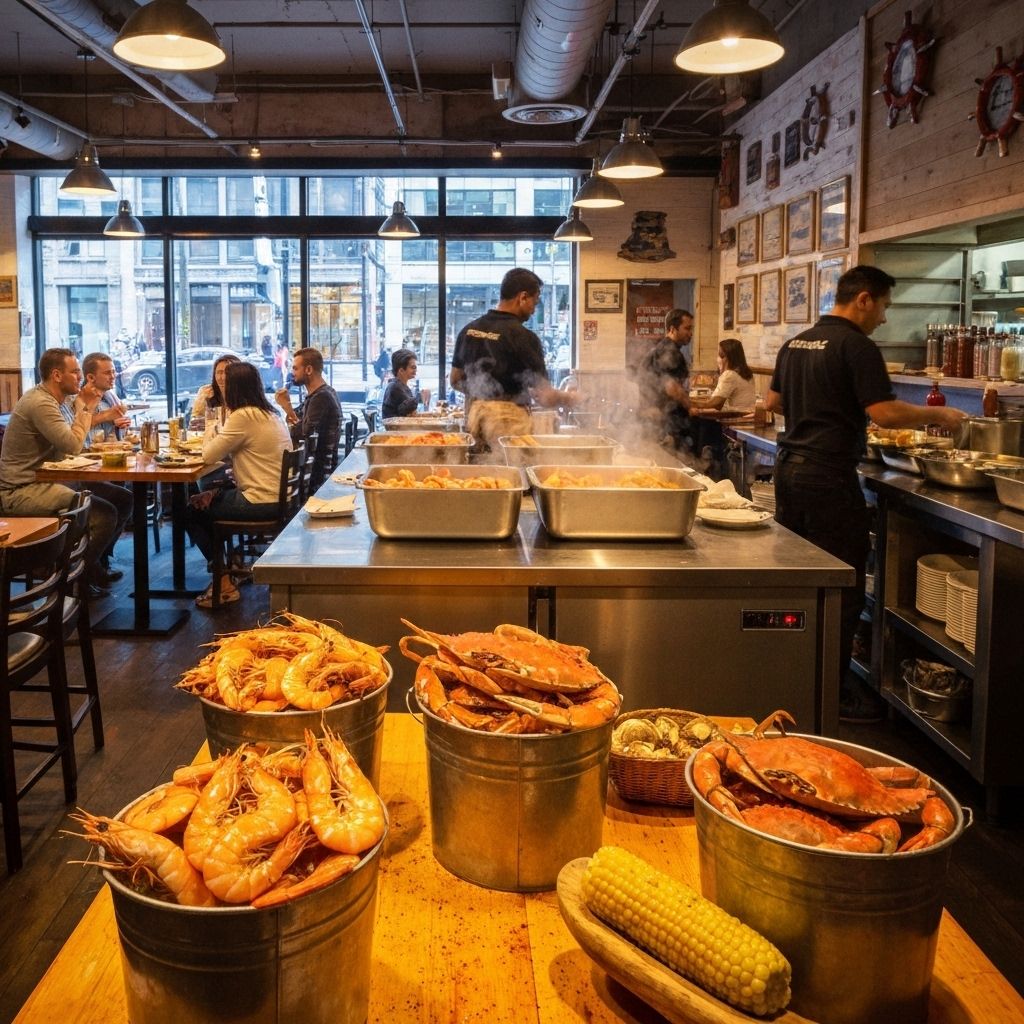
Walking into a seafood boil restaurant and staring at the spice level options can feel overwhelming, especially when you’re not sure where you fit on the heat scale. Whether you’re drawn to the bold flavours of Cajun-style seafood boils or worried about ordering something that might leave you reaching for milk, understanding how to choose your ideal spice level makes all the difference between an enjoyable meal and a painful experience.

The beauty of seafood boil spice levels lies in their customisability, allowing you to tailor the heat to match your personal tolerance while still experiencing the rich, complex flavours that make these dishes so appealing. Getting this balance right means understanding not just what different spice levels mean, but also how your own tolerance works and changes over time.
This guide will help you navigate the world of seafood boil heat levels with confidence, from understanding how spice tolerance develops to choosing the perfect level for your next dining experience.
What Are the Different Seafood Boil Spice Levels
Most seafood boil restaurants offer a range of heat options designed to accommodate different tolerance levels and preferences. Understanding these categories helps you make an informed choice rather than guessing based on names alone.
How Do Standard Spice Categories Work
The typical seafood boil spice progression follows a clear pattern from no heat to extreme intensity. Non-spicy options focus purely on the natural seafood flavours enhanced by aromatic herbs and mild seasonings like garlic, bay leaves, and celery salt. A beginner’s guide to seafood boils confirms that these levels let the sweetness of crab, prawns, and mussels shine through without any heat interference.
Mild spice levels introduce gentle warmth through paprika-based seasonings and light pepper blends. You’ll taste a subtle kick that enhances rather than overwhelms the seafood’s natural taste. This level works well for those who want flavour complexity without any burning sensation.
Medium heat brings noticeable warmth that builds as you eat, often incorporating cayenne pepper and crushed red pepper flakes. Your mouth will feel the heat, but it remains manageable and doesn’t interfere with conversation or enjoyment of the meal’s social aspects.
High and extreme levels venture into serious heat territory, where the spice becomes a central part of the experience rather than just a flavour enhancer. These levels often feature ghost pepper or habanero elements that create intense burning sensations and trigger physical responses like sweating.
| Spice Level | Heat Intensity | Primary Seasonings | Best For
|
|---|---|---|---|
| Non-Spicy | No heat | Garlic, herbs, celery salt | Focus on seafood flavour |
| Mild | Gentle warmth | Paprika, light pepper | First-time spice users |
| Medium | Noticeable heat | Cayenne, red pepper flakes | Regular spice enjoyment |
| Hot | Strong burn | Habanero, hot sauce blends | Heat enthusiasts |
| Extreme | Intense fire | Ghost pepper, scorpion pepper | Extreme heat seekers |
How Does Spice Tolerance Actually Work
Understanding how your body responds to spicy food helps you make realistic choices about heat levels and set appropriate expectations for building tolerance over time.
What Happens When You Build Spice Tolerance
Spice tolerance develops through repeated exposure to capsaicin, the compound that creates the burning sensation in peppers. Research shows that your mouth and tongue adapt more readily than your digestive system through a process of desensitisation of nerve endings, which explains why someone might handle hot food well while eating but still experience discomfort later.
This tolerance building follows predictable patterns but eventually plateaus for most people. Studies indicate that while many spice enthusiasts can increase their heat tolerance significantly over months or years, they then reach a natural limit based on genetic factors that account for 18-58% of tolerance variation. Pushing beyond this point often leads to unpleasant experiences rather than enjoyment.
Geographic and cultural background plays a major role in baseline tolerance. People raised in regions with traditionally spicy cuisine often start with higher tolerance levels, while those from milder food cultures may need more gradual exposure to build comfort with heat.
Why Do Tolerance Patterns Change Over Time
Interestingly, many long-term spice lovers eventually shift their focus from chasing maximum heat to seeking flavourful spice experiences. This transition often happens as people mature in their appreciation for food complexity and become more interested in balance than intensity alone.
Age can also affect spice tolerance, with some people finding their comfort levels decrease as they get older. Research suggests this occurs due to changes in receptor sensitivity rather than digestive issues, though the evidence is still emerging on the exact mechanisms.
- Mouth tolerance develops faster than digestive tolerance
- Cultural exposure during childhood significantly impacts adult baseline
- Individual limits vary based on genetics and sensitivity
- Preference evolution often shifts from intensity to flavour balance
- Physical changes with age can affect comfortable heat levels
What Physical Responses Should You Expect
Knowing what to expect from different spice levels helps you choose appropriately and avoid unpleasant surprises during your meal.
How Does Your Body React to Increasing Heat
Mild to medium spice levels typically produce pleasant warming sensations without triggering major physical responses. You might notice slight tingling on your tongue or lips, but these sensations enhance rather than distract from the eating experience.
Higher heat levels begin activating your body’s natural defence responses. Research confirms that sweating starts as your system tries to cool itself when capsaicin triggers heat receptors, and you may experience increased mucus production as your mouth attempts to dilute the capsaicin. These responses are normal and indicate your body is working to manage the heat exposure.
Extreme spice levels can trigger more intense reactions including significant sweating, runny nose, and even endorphin releases that create a natural high similar to runner’s euphoria. Some people actively seek this response, while others find it uncomfortable or overwhelming.
What Are the Digestive Considerations
The digestive impact of spicy food varies significantly between individuals, but some patterns hold true across most people. Medical experts note that very spicy food can cause stomach irritation, especially when consumed on an empty stomach or by those unaccustomed to heat.
Understanding your digestive limits helps prevent uncomfortable experiences hours after your meal ends. Many people can handle moderate spice levels during eating but experience regret later when their digestive system processes the capsaicin.
- Immediate responses include mouth tingling and increased mucus production
- Thermal regulation kicks in through sweating and flushing
- Endorphin release can occur at very high heat levels
- Digestive sensitivity varies more than mouth tolerance
- Individual thresholds determine comfort versus discomfort
How Do You Choose Your Ideal Spice Level
Making the right spice level choice requires honest assessment of your current tolerance and consideration of the dining context.
What Questions Should You Ask Yourself
Start by evaluating your recent spicy food experiences. If you regularly enjoy dishes like medium-heat buffalo wings or moderately spicy Thai curries without discomfort, you’re likely ready for medium seafood boil heat levels. However, if you typically stick to mild salsa or find black pepper noticeable, starting with mild or non-spicy options makes more sense.
Consider the social context of your meal. Seafood boils are often shared, social experiences where extreme heat can interfere with conversation and enjoyment of the company. Choosing a heat level that allows you to participate fully in the social aspects often leads to better overall experiences.
Think about the remainder of your day or evening. Very spicy food can affect sleep, cause digestive discomfort, or interfere with other activities. If you have important commitments after your meal, conservative heat choices prove wise.
What Are the Progressive Approach Benefits
Rather than jumping to the highest heat level you think you can handle, consider choosing one level below your maximum tolerance. Health experts suggest that this approach allows you to enjoy the entire meal without fighting through pain or discomfort, as the goal is pleasure rather than endurance.
Building heat tolerance gradually across multiple visits lets you explore the full range of flavours at each level before progressing. Many restaurants allow you to add extra heat through hot sauces or pepper additions if your initial choice proves too mild.
Remember that seafood boil heat can build throughout the meal as the spices accumulate in your system. What feels manageable in the first few bites may become overwhelming by the end of a full meal.
| If You Usually Enjoy | Try This Seafood Boil Level | Reasoning
|
|---|---|---|
| Mild salsa, black pepper | Non-spicy to Mild | Build foundation slowly |
| Medium buffalo wings | Mild to Medium | Similar heat range |
| Spicy Thai or Mexican food | Medium to Hot | Established tolerance |
| Ghost pepper challenges | Hot to Extreme | Proven high tolerance |
What Should You Do If You Choose Wrong
Even with careful consideration, sometimes you’ll misjudge your heat tolerance or encounter unexpectedly intense spicing. Knowing how to manage these situations prevents ruined meals and helps you recover quickly.
How Can You Cool Down Effectively
Dairy products provide the most effective immediate relief from excessive heat. Research shows that milk, yoghurt, or ice cream contain casein proteins that help neutralise capsaicin and reduce the burning sensation, though the exact mechanism involves binding rather than simply washing it away. Water, unfortunately, can actually spread the capsaicin around your mouth and intensify the burning sensation.
Starchy foods like bread, rice, or potatoes can help absorb some of the spicy oils and provide relief. Many seafood boil restaurants serve bread or corn specifically to help manage heat levels during the meal.
Sugar can provide temporary relief by overwhelming your taste receptors with sweetness, though this effect tends to be shorter-lived than dairy-based solutions. Honey or sugary drinks can help bridge the gap until you can access more effective remedies.
What Prevention Strategies Work Best
Popular advice suggests eating something substantial before tackling spicy food to help cushion your stomach, though the evidence for this protecting the stomach lining specifically is still emerging. Regardless, avoiding consuming very spicy food on an empty stomach is generally recommended, especially if you’re testing your tolerance limits.
Pace yourself during spicy meals rather than trying to power through quickly. Taking breaks between bites allows your mouth to recover and prevents heat from building to overwhelming levels.
Don’t be embarrassed to ask your server about modifying your order if you realise you’ve chosen incorrectly early in the meal. Most restaurants prefer adjusting your order to having an unhappy customer struggle through an uncomfortable experience.
When Should You Seek Professional Guidance
While spicy food enjoyment is generally safe for healthy adults, certain medical conditions and symptoms warrant professional consultation.
What Medical Conditions Affect Spice Tolerance
Medical experts confirm that digestive conditions like acid reflux, ulcers, or inflammatory bowel disease can be aggravated by very spicy foods. If you have diagnosed digestive issues, consult with your healthcare provider about appropriate spice limits rather than testing your tolerance through trial and error.
Certain medications can also affect your ability to process spicy foods comfortably or safely. Blood thinners, acid reducers, and some pain medications may interact with capsaicin in unexpected ways.
What Symptoms Require Medical Attention
Healthcare professionals emphasise that severe or persistent digestive discomfort following spicy meals, especially if accompanied by bleeding, severe cramping, or other concerning symptoms, should prompt medical evaluation. While mild discomfort is normal when pushing spice tolerance limits, significant or lasting pain is not.
Allergic reactions to spicy foods, while rare, can occur and may present as difficulty breathing, severe swelling, or widespread rash. These require immediate medical attention.
What the Research Says About Spicy Food Tolerance
Understanding the science behind spice tolerance can help you make more informed decisions about your heat level choices.
- Genetic factors account for up to 58% of individual spice tolerance differences, meaning some people are naturally better equipped to handle heat
- Tolerance plateaus occur due to biological limits – pushing beyond your natural ceiling typically causes discomfort rather than increased enjoyment
- Mouth adaptation happens faster than digestive system adaptation, which explains why you might taste food comfortably but experience stomach upset later
- Age-related changes in spice tolerance appear to be neurological rather than digestive, though experts have different views on the exact mechanisms
- Medical conditions like GERD, ulcers, and IBD are consistently aggravated by very spicy foods according to multiple studies
- Dairy relief works through casein proteins interacting with capsaicin, though we don’t yet know for sure if this involves binding or other mechanisms
How We Can Help You Find Your Perfect Heat Level
Choosing the right spice level doesn’t have to be guesswork. Our experienced team understands that finding your ideal heat balance takes time and often requires some experimentation.
We’re happy to provide guidance based on your previous spicy food experiences and can suggest starting points that match your comfort level. Our kitchen can also adjust heat levels during preparation or provide additional seasoning on the side if you want to test higher intensities gradually.
Remember that building spice tolerance is a journey rather than a destination. Start with levels that allow you to enjoy the entire dining experience, and don’t hesitate to ask questions about our spice options when you visit.
What Are Your Next Steps for Spice Level Success
The key to finding your perfect seafood boil heat level lies in honest self-assessment, gradual progression, and realistic expectations about your tolerance limits.
Start by reflecting on your current relationship with spicy foods and choose a conservative starting point for your first seafood boil experience. You can always increase the heat level on future visits once you understand how our specific spice blends affect you.
Consider the social and practical context of your meal when making heat level decisions. The goal is an enjoyable dining experience that enhances rather than dominates your time with friends or family.
Remember that spice tolerance is highly individual and can change over time. What matters most is finding levels that let you appreciate the complex flavours and social enjoyment that make seafood boils such special dining experiences.
Most importantly, don’t let fear of choosing wrong prevent you from exploring these bold, flavourful dishes. With proper guidance and realistic expectations, you can find your perfect balance of heat and flavour that makes every seafood boil meal memorable for all the right reasons.
Think you have what it takes to work at Kickin'Inn?
Fill out an expression of interest form here. We strive to respond to all applicants as promptly as possible. We look forward to hearing from you!