Australia’s coastal waters hide one of the most prized treasures in the seafood world – the mud crab. These magnificent crustaceans have captured the hearts and taste buds of Australians for generations, and for good reason. Unlike their more commonly known cousins, mud crab Australia offers a unique culinary experience that combines sweet, delicate meat with an impressive size that makes every dining occasion feel special.
If you’ve never tried mud crab before, you’re missing out on something truly remarkable. These crabs aren’t just another seafood option – they’re a gateway to understanding why Australian waters produce some of the world’s finest marine delicacies. From their distinctive appearance to their incredible flavour profile, mud crabs represent everything that makes Australian seafood exceptional.

Whether you’re a seafood enthusiast looking to expand your palate or someone curious about what all the fuss is about, understanding what makes mud crabs special will help you appreciate why they command such respect in Australian cuisine.
What Exactly Is a Mud Crab
Mud crabs, scientifically known as Scylla serrata, are large, robust crustaceans that inhabit the muddy bottoms of estuaries, mangroves, and tidal flats along Australia’s northern and eastern coastlines. These impressive creatures can grow to substantial sizes, with mature specimens often weighing between 500 grams to over 2 kilograms.
How Do You Identify a True Mud Crab
Recognising a genuine mud crab is easier than you might think. They sport a distinctive olive-green to brown shell that blends perfectly with their muddy habitat. Their most striking feature is their powerful claws – one typically larger than the other – which can deliver an impressive grip. The shell is relatively smooth compared to other crab species, and their legs are sturdy and well-developed for navigating soft, muddy terrain.
Two main species dominate Australian waters – the Giant Mud Crab and the Orange Mud Crab. Research confirms that the Giant Mud Crab tends to be larger and more robust, with maximum sizes reaching up to 28 cm carapace width, while the Orange Mud Crab displays slightly more orange tinting around the shell edges and typically achieves smaller maximum sizes.
Current sustainability assessments indicate that all six recognised stocks of Australian mud crabs are considered sustainable, making them an environmentally responsible choice for seafood lovers.
Where Do Mud Crabs Live and Thrive
Understanding mud crab habitat helps explain why their meat develops such exceptional flavour and texture. These crustaceans are perfectly adapted to life in Australia’s diverse coastal ecosystems.
What Environments Do Mud Crabs Prefer
Studies show that mud crabs thrive in areas where fresh and salt water mix, creating the perfect salinity levels for their development. Key habitats include:
- Mangrove creeks with muddy bottoms
- Tidal flats with good water flow
- Areas around timber structures and fallen logs
- Estuarine systems with regular tidal movement
- Shallow bays with soft substrate for burrowing
These environments are crucial because they provide the varied diet that contributes to mud crabs’ complex flavour profile. Research demonstrates that the crabs feed on small fish, molluscs, worms, and plant matter, creating meat that reflects this diverse nutritional intake.
How Do Seasonal Changes Affect Mud Crabs
Seasonal patterns significantly influence mud crab behaviour and availability. During heavy rainfall periods, crabs tend to move from creek headwaters toward bay mouths, following the changing salinity levels. This migration pattern affects both wild populations and fishing success rates.
Scientific studies indicate that the crabs are most active during warmer months when water temperatures support their metabolism and feeding behaviour. This timing coincides with peak availability in restaurants and markets, typically from late spring through early autumn.
Why Does Mud Crab Taste So Exceptional
The flavour profile of mud crab sets it apart from virtually every other crustacean available in Australian waters. Understanding what creates this distinctive taste helps explain why these crabs command premium prices and devoted followings.
What Makes the Meat So Sweet and Tender
Mud crab meat combines the best characteristics of both crab and lobster. The flesh is remarkably sweet, with a clean, briny finish that never overwhelms the palate. Unlike some seafood that can taste muddy or overly fishy, properly handled mud crab delivers pure, concentrated ocean flavour.
The texture is equally impressive – firm enough to hold together during cooking yet tender enough to flake easily when eaten. This balance comes from the crab’s active lifestyle and varied diet, which develops well-exercised but not tough muscle fibres.
Different parts of the mud crab offer varying taste experiences. The claw meat tends to be slightly firmer and more concentrated in flavour, while body meat is often sweeter and more delicate. Both types complement each other beautifully in prepared dishes.
How Does Preparation Method Affect Flavour
The cooking method dramatically influences how mud crab’s natural flavours develop and present themselves. Simple preparation methods often work best, allowing the crab’s inherent sweetness to shine through without interference.
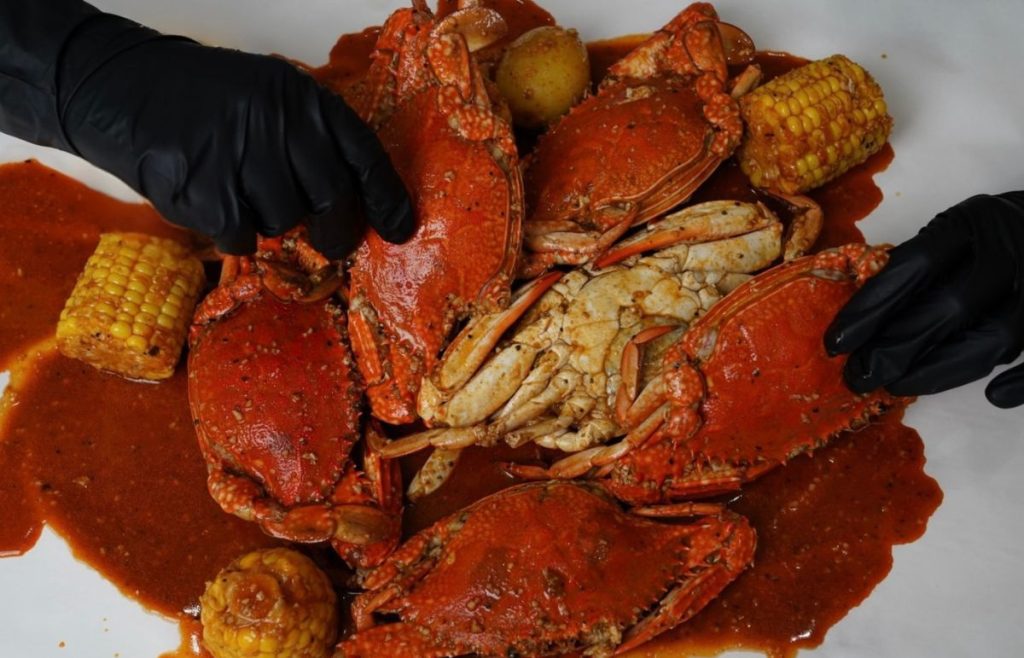
Steaming preserves the meat’s natural moisture and delicate texture, while boiling in well-seasoned water can enhance the overall flavour profile. More complex preparations, such as spiced seafood boils, create opportunities to layer complementary flavours without masking the crab’s essential character.
| Preparation Method | Flavour Impact | Texture Result | Best For |
|---|---|---|---|
| Steaming | Pure, concentrated sweetness | Firm yet tender | First-time tasters |
| Boiling with spices | Enhanced complexity | Slightly softer | Flavoured experiences |
| Grilling | Smoky undertones | Firmer texture | Outdoor dining |
| Seafood boil style | Bold, layered flavours | Varied by method | Social dining |
How Are Mud Crabs Caught and Sourced
Understanding how mud crabs reach your plate helps appreciate both the effort involved and the quality you can expect. The catching process requires skill, timing, and knowledge of crab behaviour patterns.
What Methods Do Professional Fishers Use
Commercial mud crab fishing relies primarily on specially designed pots and traps placed strategically in known crab habitats. Professional fishers understand that success depends heavily on proper bait selection and trap placement timing.
The most effective approaches involve using fresh bait – particularly fish heads that have been cut in half to release maximum scent into the water. This bait selection significantly increases trap effectiveness compared to alternative options.
Successful commercial operations check their pots frequently, typically every 30 minutes to prevent crabs from entering and then leaving the traps. This intensive monitoring ensures maximum catch retention and helps maintain crab quality.
How Do Seasonal Factors Affect Availability
Mud crab availability fluctuates based on natural cycles and environmental conditions. During heavy rain periods, crabs move from creek systems toward bay areas, requiring fishers to adjust trap locations accordingly.
Professional fishers often scout potential areas during low tide periods to identify optimal trap placement sites. They look for specific indicators such as crab holes, feeding areas around timber structures, and drainage points where crabs congregate.
Fresh bait replacement occurs daily in professional operations, as stale bait significantly reduces trap effectiveness. This attention to detail ensures consistent catch quality and helps maintain the premium standards expected for mud crab.
What the Evidence Shows About Mud Crab Quality
Scientific research and industry knowledge provide valuable insights into what makes mud crabs exceptional:
- Habitat diversity directly influences flavour development – crabs from mixed salinity environments develop more complex taste profiles
- Temperature-dependent activity patterns ensure peak quality during warmer months when crabs are most active and well-fed
- Sustainable fishing practices across all Australian stocks guarantee long-term availability and quality
- While mud crabs are generally sweet and briny, individual taste can vary depending on habitat conditions and seasonal factors
- Not all preparation methods suit every palate – some prefer traditional steaming while others enjoy bold seafood boil flavours
What Should You Expect When Trying Mud Crab
If you’ve never experienced mud crab before, knowing what to expect helps you fully appreciate this exceptional seafood experience. The dining process itself is part of the appeal, combining great food with engaging, hands-on eating.
How Do You Properly Eat Mud Crab
Eating mud crab is an interactive experience that requires some technique but rewards you with incredible flavour. The process typically involves:
- Start with the claws, using crackers or mallets to access the sweet meat inside
- Remove the top shell carefully to access the body cavity
- Extract meat from the body sections using picks or small spoons
- Don’t forget the leg meat – it’s often overlooked but equally delicious
- Take your time – rushing through mud crab means missing some of the best parts
The hands-on nature of eating mud crab makes it perfect for social dining experiences. It naturally slows down the meal pace, encouraging conversation and shared enjoyment around the table.
What Flavours Pair Well With Mud Crab
Mud crab’s sweet, delicate flavour pairs beautifully with both subtle and bold accompaniments. Simple preparations often work best, allowing the crab’s natural taste to remain the star attraction.
Classic pairings include garlic butter, fresh herbs, and citrus elements that brighten without overwhelming. More adventurous options might incorporate gentle spices, coconut-based sauces, or Asian-inspired flavour profiles that complement rather than compete.
The key is balance – mud crab’s exceptional flavour deserves accompaniments that enhance rather than mask its natural sweetness and ocean-fresh character.
How to Find and Enjoy Quality Mud Crab
Experiencing mud crab at its best requires knowing where to find quality specimens and how to ensure you’re getting the freshest possible product. The difference between excellent and mediocre mud crab is significant and worth seeking out.
What Should You Look for When Selecting Mud Crab
Fresh mud crab exhibits specific characteristics that indicate quality and proper handling. Industry experts recommend looking for specimens that feel heavy for their size, indicating full meat content. The shell should appear vibrant rather than dull, and any movement should be lively and responsive.
Quality suppliers maintain proper storage conditions, keeping live crabs in appropriate salwater systems or storing cooked specimens at optimal temperatures. The best establishments will be transparent about their sourcing and handling practices.
When purchasing cooked mud crab, ensure it has been properly cooled and stored. Fresh cooked crab should have a clean, ocean-like aroma without any off-putting smells that might indicate age or improper handling.
Where Can You Experience Mud Crab at Its Best
The best mud crab experiences often come from establishments that specialise in seafood and understand proper preparation techniques. Look for restaurants that source locally when possible and demonstrate knowledge about seasonal availability.
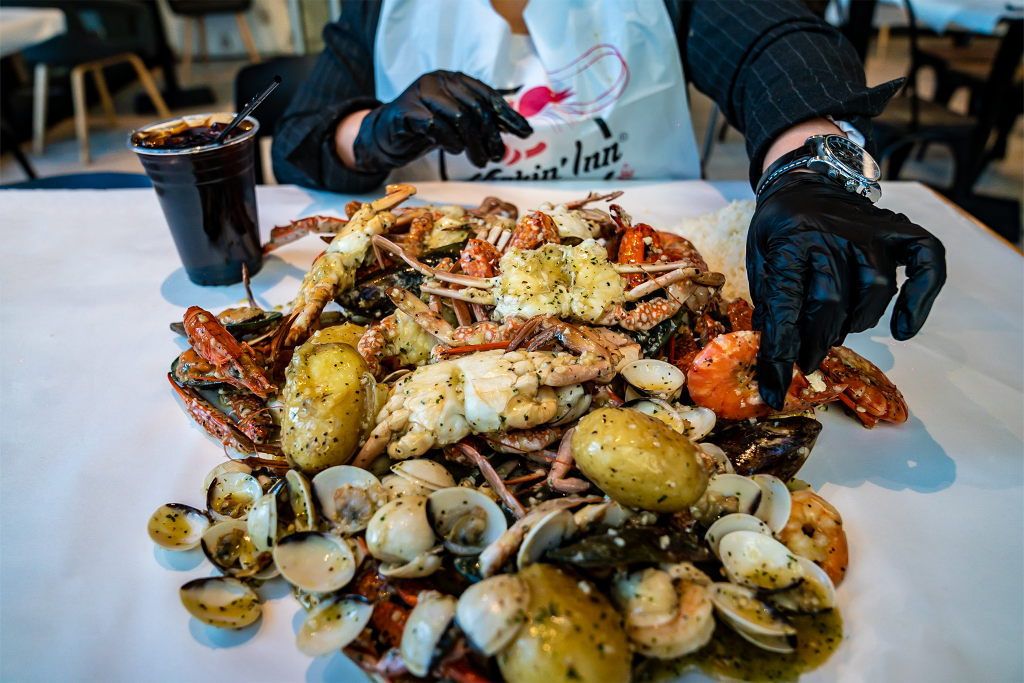
Seafood boil restaurants have become increasingly popular for mud crab preparation, offering social dining experiences that showcase the interactive nature of crab eating. These venues often provide the tools and atmosphere that make mud crab dining memorable and enjoyable.
The key is finding establishments that respect the quality of their ingredients and don’t try to mask mud crab’s natural excellence with excessive seasoning or complicated preparations.
Why Mud Crab Deserves a Place on Your Seafood Journey
Mud crab represents something special in the world of Australian seafood – a perfect combination of exceptional flavour, sustainable sourcing, and memorable dining experiences. These remarkable crustaceans offer a taste of Australia’s pristine coastal waters and the skilled traditions that bring them to your table.
From their unique habitat requirements to their complex flavour development, mud crabs demonstrate why Australian seafood holds such high regard globally. The combination of sweet, tender meat and interactive eating experience creates memories that extend far beyond a simple meal.
Whether you’re exploring new culinary territories or deepening your appreciation for premium seafood, mud crab offers an experience that satisfies both curiosity and appetite. The effort required to properly enjoy mud crab – the hands-on eating, the shared experience, the careful appreciation of each bite – makes the meal itself part of the pleasure.
For seafood enthusiasts ready to discover something truly special, mud crab awaits as one of Australia’s greatest culinary treasures, ready to deliver an unforgettable taste experience that showcases why our coastal waters produce some of the world’s finest seafood.
Think you have what it takes to work at Kickin'Inn?
Fill out an expression of interest form here. We strive to respond to all applicants as promptly as possible. We look forward to hearing from you!