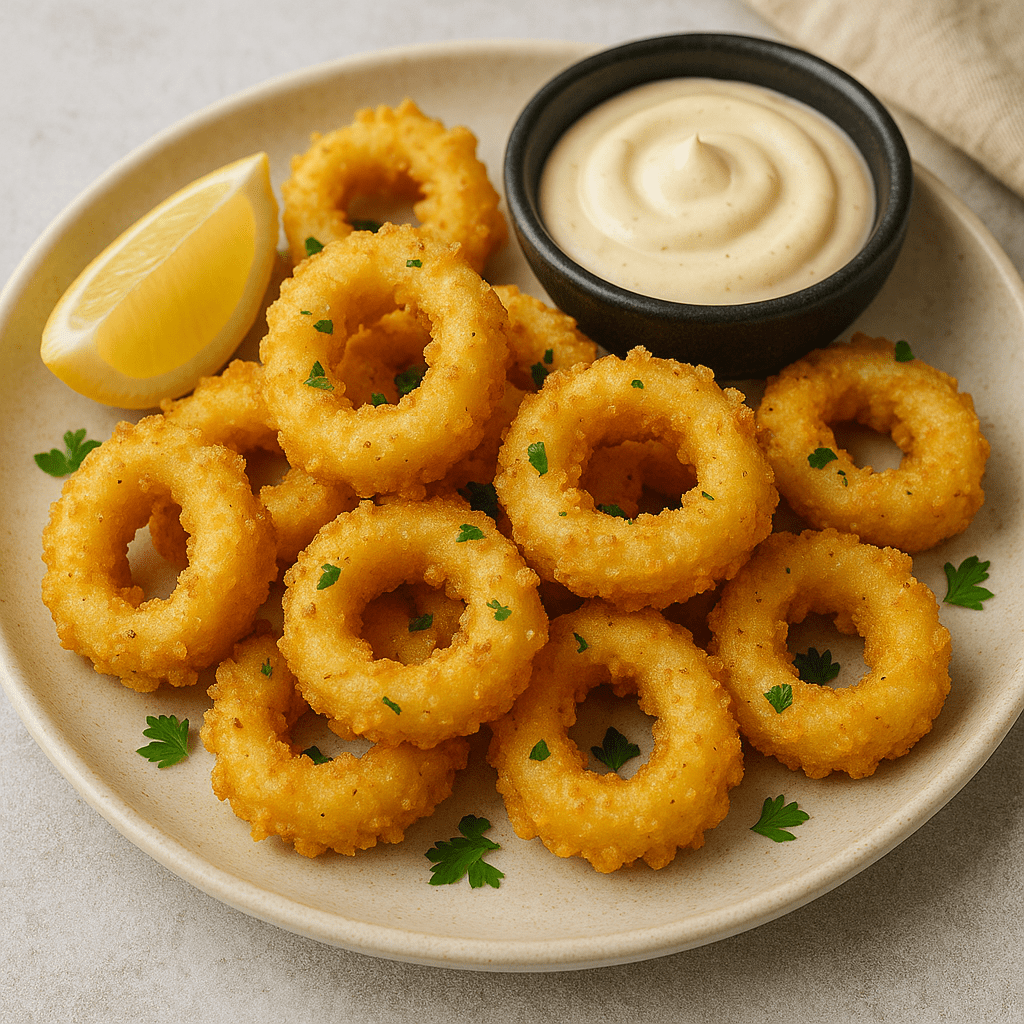
Have you ever wondered what actually sets calamari apart from regular squid?
If you’re anything like me, you’ve probably enjoyed calamari countless times—crispy, tender, and lightly golden rings at restaurants or seafood spots. But it’s not uncommon to pause and think—wait, is calamari simply squid with a flashy name, or am I missing something special here?
Let’s Clear Things Up
First things first—yes, the simple truth is that calamari is squid. In fact, the term “calamari” directly translates to squid in Italian, as noted in this detailed article by the Smithsonian Institution’s Ocean Portal. But that doesn’t mean all squid dishes earn the right to be called calamari. There’s definitely more to it.
In Australia, when we say “calamari,” we’re usually referring to a specific preparation of squid—lightly battered or crumbed squid rings, fried quickly to tender perfection. Squid itself comes in various forms, from calamari rings to grilled squid, stuffed whole squid, salt and pepper squid—the list goes on.
Is There a Specific Type of Squid Behind Calamari?
Here, the waters can get a bit muddy. Most restaurants and seafood specialists use the common species available locally. According to the Australian Fisheries Research and Development Corporation (FRDC), species such as Southern Calamari and Gould’s squid are widely available and popular with both restaurants and seafood lovers. These squids offer tender, mildly sweet flesh, making them ideal candidates for our favourite calamari dishes.
In fact, when Kickin’ Inn sources our squid, we’re particularly passionate about finding the freshest local produce, taking pride in supporting sustainable seafood practices. If you’re similar to me, and always keen to know where your seafood comes from, the Australian Marine Conservation Society has an informative Sustainable Seafood Guide that’s worth a look.
Health, Taste, or Tradition—Why Do Aussies Love Calamari So Much?
One thing is obvious—Aussies absolutely adore calamari. Maybe it’s the incredible versatility or the inherent freshness we enjoy living on an island nation. Or perhaps it’s just because calamari ticks the boxes of both taste and nutrition. After all, squid is a fantastic source of lean protein and contains vital nutrients such as omega-3 fatty acids, vitamin B12, and selenium. We’ve written before about the full nutritional value squid packs into every bite, and you can check it out in our extensive guide on the benefits of eating seafood.
Interestingly, when chatting with customers in the restaurant, one thing stands out—people often associate calamari specifically with dining out or special occasions. Somehow, “calamari” feels like a celebration, more than squid itself might. It’s the kind of thing you’d order with friends at the weekend, or something you’d eagerly grab at the local seafood market while taking a coastal road trip.
For us at Kickin’ Inn, calamari has become an absolute staple. Our chefs have perfected the subtle art of preparing it just right. It’s why year after year, calamari remains featured among our most-requested dishes. Actually, if you’re considering trying some yourself (and I suggest you absolutely do!), now’s a great time, with our seasonal summer squid deals 🦑.
Does Calamari Taste Different than Ordinary Squid?
This is probably the trickiest question—and one I’ve seen debated heaps online. From personal experience, it’s less about the squid species and more about preparation techniques. Good calamari should be irresistibly tender, slightly sweet, and practically melt in the mouth. But we’ve all encountered those tough, chewy versions at some places—and believe me, that’s not because of the squid itself. It’s usually down to under or overcooking.
I stumbled across several interesting conversations online—with some people convinced calamari is only squid rings served crispy, while others insist calamari could mean any squid dish prepared to perfection. Personally, I sit closer to the second group—calamari means squid that’s done right. You should instantly recognise quality by its tenderness and delightful flavour.
The Kickin’ Inn Approach to Calamari
At Kickin’ Inn, it’s more than just squid—it’s about the feeling of sharing a plate with good friends, indulging in the sensory joy of crispy, delicious seafood. We’ve carefully curated a dining experience around dishes like calamari because we genuinely believe that food isn’t just about taste; it’s also about atmosphere. So here’s an invitation—next time you swing by, have a taste and experience it yourself. Check out the vibe we’re famous for—a relaxed, authentic seafood feast. After all, calamari at Kickin’ Inn isn’t just squid, it’s way more than that—it’s the taste, the feeling, and the memories created along the way.
Creative Ways We’re Taking Calamari to the Next Level
Calamari isn’t just a one-trick wonder either. Our kitchen likes to experiment, keeping things fresh and tempting for regulars. Chefs at Kickin’ Inn have been mixing calamari into modern creations that showcase its flexibility—everything from inventive seafood cocktails featuring prawns and calamari together, to platters focused on the best tastes of the ocean. Curious to explore something new? Take a look at our latest ideas, including special dishes like our KickinInn favourites or our innovative seafood cocktail creation.
Ultimately, calamari is squid—but asking if it’s anything more is missing the point slightly. Sometimes, terms like calamari take on greater meaning because of cultural context, quality standards, and culinary traditions. At Kickin’ Inn, calamari isn’t merely a dish—it’s an experience.
If you have any questions or thoughts—or if I’ve sparked a sudden craving—don’t hesitate! Reach out through the contact page. We’re always excited to talk seafood with our community.
Think you have what it takes to work at Kickin'Inn?
Fill out an expression of interest form here. We strive to respond to all applicants as promptly as possible. We look forward to hearing from you!