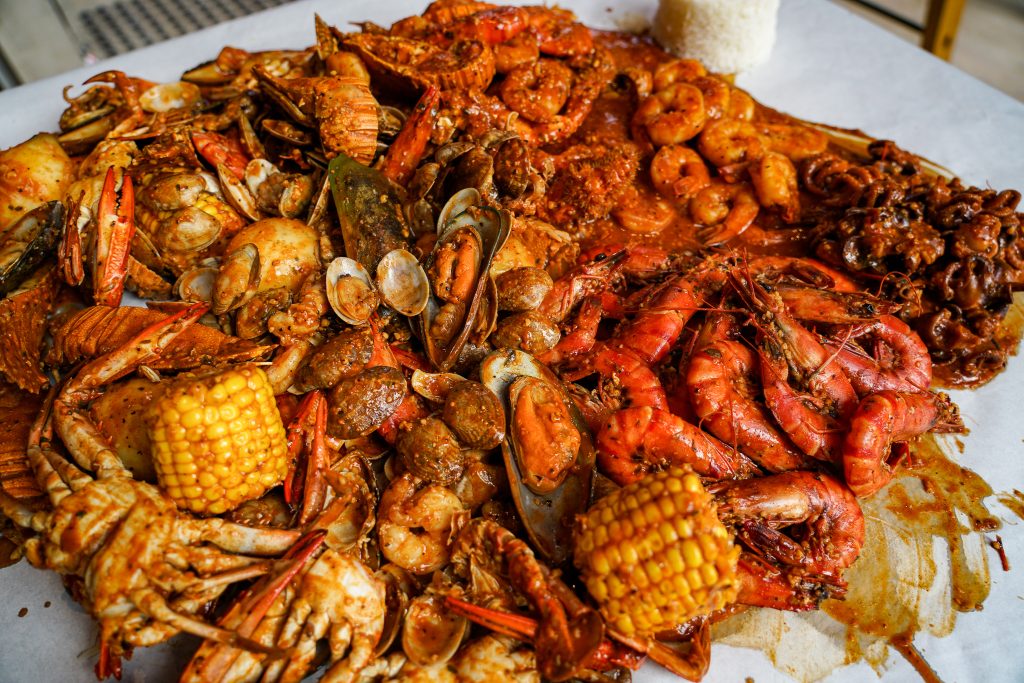
Australia’s love affair with seafood runs deep, from weekend prawns on the barbie to sophisticated restaurant experiences. Yet behind every delicious bite lies an important question that’s gaining momentum among conscious consumers across the country. Understanding sustainable seafood in Australia isn’t just about making environmentally responsible choices – it’s about ensuring future generations can enjoy the same incredible variety of marine life that graces our tables today.
Sustainable seafood refers to fish and shellfish caught or farmed in ways that protect marine ecosystems, maintain healthy fish populations, and support fishing communities for the long term. Research from conservation organisations confirms this involves considering factors such as fishing methods, stock levels, habitat impact, and traceability from ocean to plate.

The good news for Australian seafood lovers is that making sustainable choices has become more accessible than ever before. With the right knowledge and tools, you can enjoy your favourite seafood dishes while supporting practices that protect our marine environment and fishing communities.
What Makes Seafood Sustainable in Practice
Sustainable seafood isn’t a simple yes or no proposition. It involves a complex web of factors that work together to ensure fishing practices can continue indefinitely without depleting ocean resources or damaging marine ecosystems.
How Fish Stock Management Works
The foundation of sustainable seafood lies in maintaining healthy fish populations. This involves setting catch limits based on scientific assessments of fish stocks, ensuring that fishing pressure doesn’t exceed what fish populations can handle. Studies show that annual catch limits are established using rigorous scientific stock assessments that determine reference points like maximum sustainable yield. Sustainable fisheries monitor stock levels regularly and adjust practices when populations show signs of stress.
Fishing methods also play a crucial role. Evidence demonstrates that some techniques, such as pole-and-line fishing, have minimal environmental impact, while others like bottom trawling can damage seafloor habitats significantly. Research has found that traditional selective methods preserve 85% biodiversity versus 45% for modern methods, with trawling causing 75% habitat disturbance compared to 15% for traditional approaches. Sustainable operations choose methods that minimise bycatch (accidentally caught non-target species) and protect critical habitats where fish breed and feed.
What Role Aquaculture Plays
Farmed seafood represents a significant portion of Australia’s seafood supply, and when done responsibly, aquaculture can be highly sustainable. Studies indicate that aquaculture now accounts for 60% of Australia’s seafood production by value, driven by salmon, prawns, and oysters. Well-managed fish farms maintain water quality, prevent disease outbreaks that could affect wild populations, and use feed sources that don’t deplete other marine resources.
The best aquaculture operations integrate with local ecosystems rather than disrupting them. They often employ closed-loop systems that minimise waste and prevent farmed fish from escaping into wild populations where they might compete with native species. Research shows that recirculating aquaculture systems reduce wastewater effluent volume and eliminate escapee risks through physical containment.
Where Can Australian Shoppers Find Sustainable Options
Finding sustainable seafood in Australia doesn’t require hunting through specialty stores or paying premium prices. Many everyday shopping locations carry responsibly sourced options when you know what to look for.
What to Look for in Local Supermarkets
Major Australian supermarket chains increasingly stock seafood that meets sustainable sourcing criteria. The key lies in understanding certification labels and asking the right questions. Look for products bearing the Marine Stewardship Council (MSC) blue fish tick, which indicates wild-caught seafood from certified sustainable fisheries.
Community insights suggest that shopping around different stores can help identify consistent sources of certified sustainable seafood. Each retailer may have different suppliers and certification standards, so comparing options across multiple locations often yields better results.
- Check freezer sections where certified products often have clearer labelling
- Ask seafood counter staff about sourcing and certification
- Look for clear country of origin labelling, particularly Australian-sourced options
- Compare prices across stores to find sustainable options that fit your budget
How Independent Resources Can Guide Your Choices
Australia has developed several independent assessment tools that make sustainable seafood choices clearer for consumers. Research shows that tools like GoodFish by the Australian Marine Conservation Society evaluate the sustainability of seafood options available across supermarkets, fishmongers, and restaurants, providing Australia-specific data that accounts for local fishing practices and marine ecosystems.
Mobile applications designed for Australian consumers can help at the point of purchase, allowing you to quickly check the sustainability rating of specific species while shopping. These tools often provide alternatives when your preferred choice doesn’t meet sustainability criteria.
Which Australian Seafood Species Offer Sustainable Choices
Not all seafood carries the same environmental impact, and understanding which species represent better choices can significantly improve the sustainability of your seafood consumption.
What Local Options Provide the Best Environmental Profile
Australian waters support numerous species that, when properly managed, represent excellent sustainable choices. These include various native fish that are abundant, well-managed, or farmed using responsible methods.
| Seafood Type | Sustainability Status | Key Benefits | Common Availability
|
|---|---|---|---|
| Australian Barramundi | Highly Sustainable | Well-managed aquaculture, native species | Supermarkets, restaurants |
| Australian Sardines | Excellent Choice | Abundant stocks, low fishing impact | Canned and fresh options |
| Abalone | Good Option | Regulated wild harvest, aquaculture growth | Specialty retailers, high-end restaurants |
| Australian Salmon Trout | Sustainable with Conditions | Improving aquaculture practices | Major supermarkets |
How Regional Considerations Affect Sustainability
Local fishing communities often employ traditional methods that align with sustainable practices, even when formal certification may be lacking. Wild-caught fish from local fishermen in regions such as coastal Queensland, Tasmania, or Western Australia can represent sustainable choices when sourced from well-managed local fisheries.
Regional sourcing also reduces transportation impacts and supports local fishing economies. When formal sustainability certification isn’t available, purchasing from traceable local sources where fishing methods and stock management are transparent can be a responsible choice.
How to Navigate Sustainability Information When Shopping
Making informed seafood choices requires understanding how to interpret the information available at the point of purchase, from certification labels to origin statements.
What Certification Labels Actually Mean
The MSC blue fish tick remains the most widely recognised certification for wild-caught sustainable seafood in Australia and New Zealand. Research confirms that MSC certification involves independent assessment through accredited bodies that conduct rigorous evaluations against strict environmental standards, with fisheries required to score at least 60 on each indicator and an average of 80 across all indicators.
For farmed seafood, look for aquaculture certifications that address environmental management, fish welfare, and social responsibility. These certifications evaluate factors such as feed sources, water quality management, and impacts on surrounding ecosystems.
Key certification elements to understand include traceability from catch to consumer, independent third-party assessment, and regular monitoring of certified operations to ensure ongoing compliance with sustainability standards.
When Information Is Limited or Unclear
Not all sustainable seafood carries obvious certification labels, and sometimes you need to make decisions with incomplete information. In these situations, several principles can guide your choices toward more responsible options.
- Choose locally sourced options when origin is clearly stated
- Prefer smaller, faster-growing fish species over large predator fish
- Ask specific questions about fishing methods and source locations
- Select seasonal options that align with natural breeding cycles
When faced with limited information, community observations suggest that consistent questioning and comparison shopping helps identify retailers and suppliers who prioritise transparency and sustainable sourcing.
What Impact Do Individual Choices Actually Have
Understanding the broader implications of sustainable seafood choices helps put individual purchasing decisions into perspective and demonstrates why these choices matter beyond personal environmental responsibility.
How Consumer Demand Influences Fishing Practices
Restaurants and retailers respond directly to consumer preferences, and sustained demand for certified sustainable seafood creates market incentives for improved fishing practices. When consumers consistently choose sustainable options, it signals to the entire supply chain that environmental responsibility matters to the market.
This market pressure encourages fisheries to pursue certification, adopt better practices, and invest in long-term sustainability rather than short-term profit maximisation. Even individual purchasing decisions contribute to these broader market signals that drive industry improvement.
What Role Restaurants Play in Sustainable Seafood
Dining out presents both opportunities and challenges for sustainable seafood consumption. Many Australian restaurants now highlight sustainable options on their menus, though practices vary significantly across the industry.
Forward-thinking restaurants often work directly with certified suppliers and clearly communicate their sourcing practices to customers. These establishments understand that transparency builds trust and allows customers to make informed choices that align with their values.
How to Take Action as a Conscious Seafood Consumer
Moving from awareness to action requires practical strategies that fit into your regular shopping and dining routines without overwhelming your decision-making process.
What Steps Make the Biggest Difference
Start with the seafood you consume most frequently, as these choices have the greatest cumulative impact. If you regularly eat prawns, salmon, or tuna, focusing your sustainability efforts on these staples will yield more meaningful results than occasionally choosing sustainable options for seafood you rarely consume.
- Identify your most frequently consumed seafood types
- Research sustainable alternatives for these staples
- Find reliable suppliers or retailers for certified options
- Gradually expand your knowledge to cover occasional purchases
- Share information with family and friends to amplify impact
How to Stay Informed as Standards Evolve
Sustainability standards and available options change as scientific understanding improves and fishing practices evolve. Staying current with these developments helps ensure your choices remain aligned with best practices.
Independent Australian sustainability guides regularly update their assessments based on new scientific data and changes in fishing practices. Following these updates helps you adapt your choices as conditions change, rather than relying on outdated information.
What the Research Says About Sustainable Seafood
Understanding what evidence shows about sustainable seafood helps make informed decisions and sets realistic expectations about the effectiveness of different approaches.
- Scientific stock assessments and catch limits are proven effective at preventing overfishing when properly implemented and monitored
- Aquaculture systems with proper management can significantly reduce environmental impact while meeting growing seafood demand
- Traditional selective fishing methods preserve substantially more marine biodiversity compared to industrial trawling operations
- Consumer demand for certified sustainable products creates measurable market incentives for improved fishing practices
- While certification standards continue improving, the evidence on long-term ecosystem recovery remains mixed and varies by region
- Management effectiveness depends heavily on enforcement capacity, which can be limited in remote fishing areas
What the Future Holds for Sustainable Seafood in Australia
Understanding current trends and developments in sustainable seafood helps set realistic expectations for continued improvement and innovation in the industry.
Australian aquaculture continues advancing toward more sustainable practices, with innovations in feed sources, closed-loop systems, and integrated farming methods that work with natural ecosystems rather than against them. These developments promise to increase the availability of sustainably farmed options for consumers.
Technology improvements in fishing gear and methods also contribute to better sustainability outcomes, reducing bycatch and habitat damage while maintaining productive fisheries. Combined with stronger scientific monitoring and adaptive management approaches, these advances support long-term sustainability goals.
The growing consumer awareness and demand for sustainable options creates positive feedback loops that encourage continued improvement throughout the seafood supply chain. As more Australians make conscious seafood choices, the market incentives for sustainable practices strengthen, making responsible options more accessible and affordable for everyone.
By understanding what makes seafood sustainable and knowing where to find responsible options, Australian consumers can enjoy delicious seafood while supporting practices that protect marine ecosystems and fishing communities for generations to come. Every mindful choice contributes to a healthier ocean and a more sustainable seafood industry.
Think you have what it takes to work at Kickin'Inn?
Fill out an expression of interest form here. We strive to respond to all applicants as promptly as possible. We look forward to hearing from you!