Walk into any casual dining restaurant and you’ll likely find an impressive selection of seafood dishes on the menu. From fish and chips to prawn pasta, seafood casual dining options have become a cornerstone of the Australian restaurant scene. But what makes seafood so appealing when we’re looking for a relaxed meal out?
The popularity of seafood in casual dining stems from a unique combination of factors including accessibility, versatility, perceived value, and the social dining experience it creates. Understanding these elements helps explain why seafood restaurants continue to thrive across Australia, offering everything from quick seafood bowls to hands-on dining experiences that bring people together.
Let’s explore the key reasons behind seafood’s enduring appeal in the casual dining landscape and what makes it such a compelling choice for both diners and restaurant operators.
How Did Seafood Become Widely Accessible for Casual Dining
The transformation of seafood from an exclusive luxury to a casual dining staple has deep historical roots. Refrigeration and modern transportation developments fundamentally changed how seafood reaches our plates, making it possible for restaurants across Australia to offer fresh seafood options year-round.
What Role Did Technology Play in Seafood Accessibility
Before widespread refrigeration, seafood was primarily available to coastal communities where it could be consumed immediately after catching. The development of reliable cold storage and efficient transport networks opened up inland markets, allowing casual dining establishments far from the coast to offer quality seafood dishes.
This technological advancement didn’t eliminate all challenges, though. Research shows that fresh fish remains costly to transport inland, which explains why seafood often carries a premium price even in casual dining settings. However, the ability to maintain freshness during transport has made seafood a viable option for restaurants across the country.
How Has Perception Changed Over Time
Interestingly, some seafood that we now consider premium wasn’t always viewed that way. Historical accounts confirm that items like lobster were actually considered poor people’s food and were even served to prisoners. This perception shift occurred as scarcity increased and demand grew, transforming these items into symbols of indulgence.
Today’s casual dining seafood offerings benefit from this evolved perception while remaining accessible enough for regular enjoyment rather than special occasions only.
What Makes Seafood Particularly Suited for Casual Dining
Seafood’s versatility makes it an ideal fit for the casual dining environment. Industry research confirms that unlike formal fine dining where preparation methods are highly structured, casual seafood restaurants can offer a wide range of cooking styles and presentation formats that appeal to diverse tastes and preferences.
Which Cooking Methods Work Best in Casual Settings
Casual dining allows for more relaxed cooking methods that showcase seafood’s natural flavours without requiring extensive culinary training to appreciate. Popular approaches include:
- Grilled preparations that highlight natural taste
- Fried options that appeal to comfort food preferences
- Boiled or steamed dishes that maintain freshness
- Mixed preparations that combine multiple seafood types
- Spiced and seasoned varieties that add excitement to the dining experience
These methods require skill to execute properly, as seafood can quickly go from undercooked to overcooked, but they don’t demand the precise technique needed for more complex preparations. This balance makes seafood suitable for casual dining kitchens while still requiring enough expertise to justify the dining experience.
How Does Regional Availability Affect Casual Dining Choices
Studies have found that proximity to coastal areas significantly influences both the quality and affordability of seafood in casual dining. Locally sourced seafood tends to be both fresher and more reasonably priced than supermarket alternatives, making it particularly attractive for coastal restaurants.
In areas where certain types of seafood are locally abundant, they become less of a luxury item. For example, salmon might be considered premium in some regions while being a common, affordable option in others where it’s locally sourced.
What Social and Cultural Factors Drive Seafood’s Popularity
Beyond taste and accessibility, seafood dining offers unique social experiences that align perfectly with casual dining expectations. The interactive nature of many seafood dishes creates memorable dining experiences that keep customers returning.
How Does Hands-On Dining Enhance the Experience
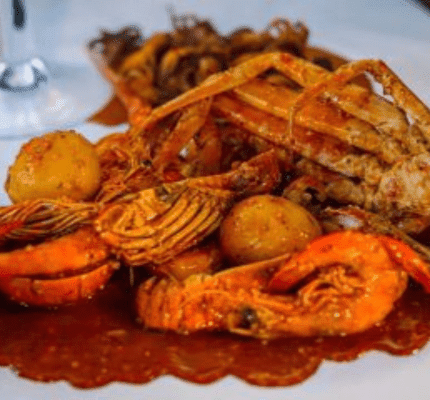
Many popular seafood preparations encourage a hands-on approach that breaks down formal dining barriers. Dishes like seafood boils, whole fish preparations, and shell-on prawns create a communal, interactive experience where diners engage more fully with their food.
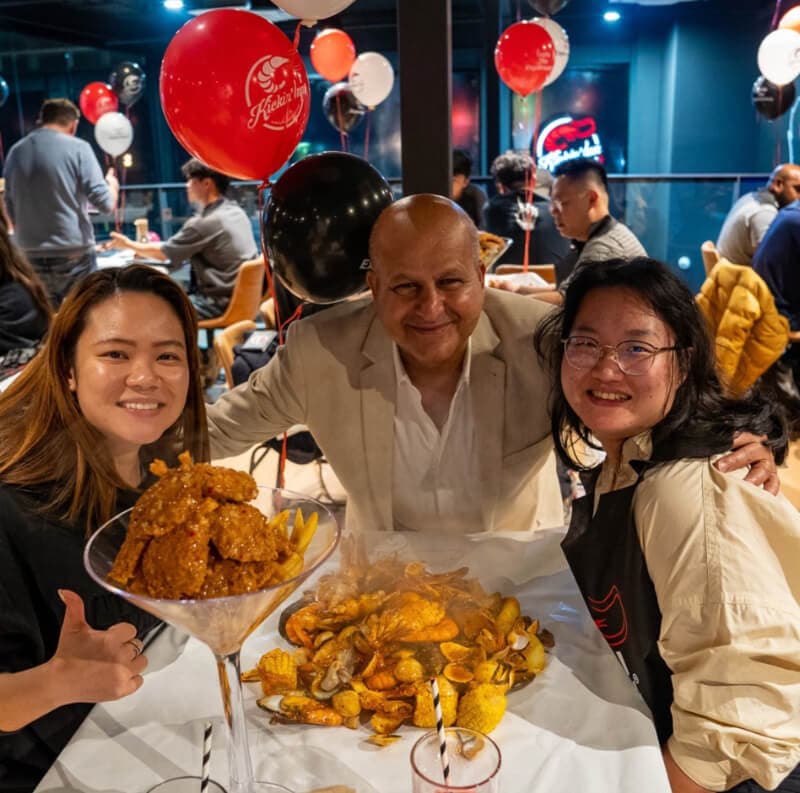
This style of dining naturally encourages conversation, sharing, and a relaxed atmosphere that defines successful casual dining. The process becomes as much about the experience as the food itself, creating lasting memories that drive repeat visits and word-of-mouth recommendations.
What Role Do Health Perceptions Play
Contemporary health awareness has positioned seafood as a nutritionally beneficial choice, contributing to its popularity in casual dining settings. Many diners perceive seafood as a healthier alternative to red meat, aligning with current wellness trends without sacrificing indulgence.
The benefits of eating seafood extend beyond basic nutrition to include omega-3 fatty acids and high-quality protein, making it an appealing option for health-conscious diners who still want to enjoy their meal out.
How Do Different Seafood Types Compare for Casual Dining
Not all seafood works equally well in casual dining environments. Understanding the characteristics of different options helps explain why certain dishes have become casual dining staples while others remain in fine dining territory.
| Seafood Type | Casual Dining Suitability | Key Advantages | Common Preparations |
|---|---|---|---|
| Prawns/Shrimp | Excellent | Quick cooking, versatile, interactive | Boiled, grilled, fried, in mixed dishes |
| Fish fillets | Very good | Familiar, easy to eat, consistent quality | Grilled, fried, in burgers or bowls |
| Mussels | Good | Affordable, works well in groups | Steamed, in broths, mixed seafood |
| Crab | Good | Premium feel, interactive eating | Boiled, in mixed bags, soft shell |
| Whole fish | Moderate | Impressive presentation, authentic feel | Grilled, fried, steamed |
Which Preparation Styles Work Best for Casual Settings
The most successful casual seafood dishes balance flavour impact with ease of eating. Heavily spiced preparations, mixed seafood combinations, and dishes that encourage sharing tend to perform well because they create excitement and social interaction.
Preparation methods that are too delicate or require specific eating techniques may be less suitable for casual environments where diners want to relax rather than worry about proper etiquette.
What Economic Factors Influence Seafood Casual Dining
The economics of seafood significantly impact its role in casual dining. Understanding these factors helps explain pricing strategies and menu decisions that restaurants make when featuring seafood options.
How Do Supply Chain Considerations Affect Pricing
Maintaining seafood freshness throughout the supply chain requires careful handling and often premium transportation methods. These costs are reflected in menu pricing, but casual dining establishments work to balance quality with affordability.
Research indicates that farmed seafood has introduced new dynamics to the market, with farmed options typically offering more consistent pricing and availability. However, concerns about farming practices and quality differences between wild-caught and farmed varieties create additional considerations for both restaurants and diners.
What Seasonal Factors Impact Availability and Cost
Industry data shows that seasonal variations in seafood availability can significantly affect both cost and menu planning for casual dining establishments. Restaurants often adjust their offerings based on what’s locally available and reasonably priced during different times of the year.
This seasonal approach can actually enhance the casual dining experience by introducing variety and highlighting the freshest options available at any given time.
How Can Diners Make the Most of Seafood Casual Dining
Understanding what makes seafood special in casual dining settings helps diners make better choices and fully enjoy their experience. Several strategies can enhance both value and satisfaction when choosing seafood dishes.
What Should You Look for in Quality Seafood Restaurants
The best casual seafood dining experiences combine fresh ingredients with skilled preparation and an atmosphere that encourages relaxed enjoyment. Key indicators of quality include:
- Clear sourcing information and freshness indicators
- Varied preparation methods that showcase different seafood types
- Interactive or hands-on dining options that enhance the social experience
- Knowledgeable staff who can explain dishes and preparation methods
- Consistent quality across different visits and menu items
How Can You Explore Different Seafood Dining Styles
Casual seafood dining offers numerous ways to experience different flavours and preparations. Popular seafood dishes in Cajun cuisine represent just one exciting approach to seafood preparation that emphasises bold flavours and communal dining.
Trying different styles helps develop appreciation for seafood’s versatility and can lead to discovering new favourite preparations and dining experiences.
What Makes the Future Bright for Seafood Casual Dining
Several trends suggest that seafood will continue to thrive in casual dining environments. Sustainability awareness, health consciousness, and the desire for experiential dining all favour seafood-focused establishments.
How Are Sustainability Concerns Shaping Choices
Research confirms that growing awareness of environmental issues is encouraging both restaurants and diners to make more thoughtful seafood choices. This trend supports establishments that can demonstrate responsible sourcing and preparation methods.
Casual dining restaurants are well-positioned to respond to these concerns while maintaining the approachable atmosphere that makes seafood dining enjoyable for regular occasions rather than special events only.
What Role Does Social Media Play in Seafood Dining Popularity
Studies show that the visual appeal and interactive nature of many seafood dishes make them particularly suitable for social media sharing. This natural marketing advantage helps drive continued interest in seafood casual dining experiences.
The hands-on nature of many seafood preparations, such as eating seafood boil with your hands, creates memorable moments that diners want to share, further supporting the popularity of these dining experiences.
What the Research Says About Seafood in Casual Dining
The evidence strongly supports several key points about seafood’s role in casual dining:
- Technology and logistics have successfully transformed seafood from a coastal luxury to a widely accessible dining option across Australia
- Versatility in preparation methods makes seafood particularly well-suited to casual dining environments where relaxed service and varied tastes are priorities
- Health perceptions increasingly favour seafood as a nutritious alternative to red meat, supporting its popularity with wellness-conscious diners
- Proximity to coastal areas continues to provide quality and affordability advantages, though transportation advances have improved inland access
- While the evidence is still emerging on optimal sustainability practices, growing environmental awareness is clearly influencing both restaurant and diner choices
- The interactive and visually appealing nature of seafood dishes aligns well with modern social dining and sharing trends
How We Can Help You Enjoy Great Seafood Dining
Whether you’re new to seafood dining or looking to explore different styles and preparations, the key is finding establishments that balance quality, atmosphere, and value. The best seafood casual dining experiences combine fresh ingredients with skilled preparation and an environment that encourages relaxed enjoyment with friends and family.
Consider exploring different preparation styles, from traditional grilled fish to more adventurous spiced boils and mixed seafood combinations. Each approach offers unique flavours and experiences that showcase why seafood has become such a beloved option for casual dining across Australia.
Key Takeaways About Seafood’s Casual Dining Appeal
Seafood’s popularity in casual dining reflects a perfect combination of accessibility, versatility, and social appeal. The transformation from coastal luxury to widely available dining option has opened up countless opportunities for enjoyable seafood experiences across Australia.
The hands-on, social nature of many seafood dishes aligns naturally with casual dining expectations, while health perceptions and sustainability awareness continue to support its appeal. Understanding these factors helps both diners and restaurant operators appreciate why seafood casual dining continues to thrive.
As technology and supply chain improvements continue to enhance seafood accessibility, and as diners increasingly seek experiential dining options, seafood is likely to remain a cornerstone of Australia’s casual dining landscape for years to come.
Think you have what it takes to work at Kickin'Inn?
Fill out an expression of interest form here. We strive to respond to all applicants as promptly as possible. We look forward to hearing from you!