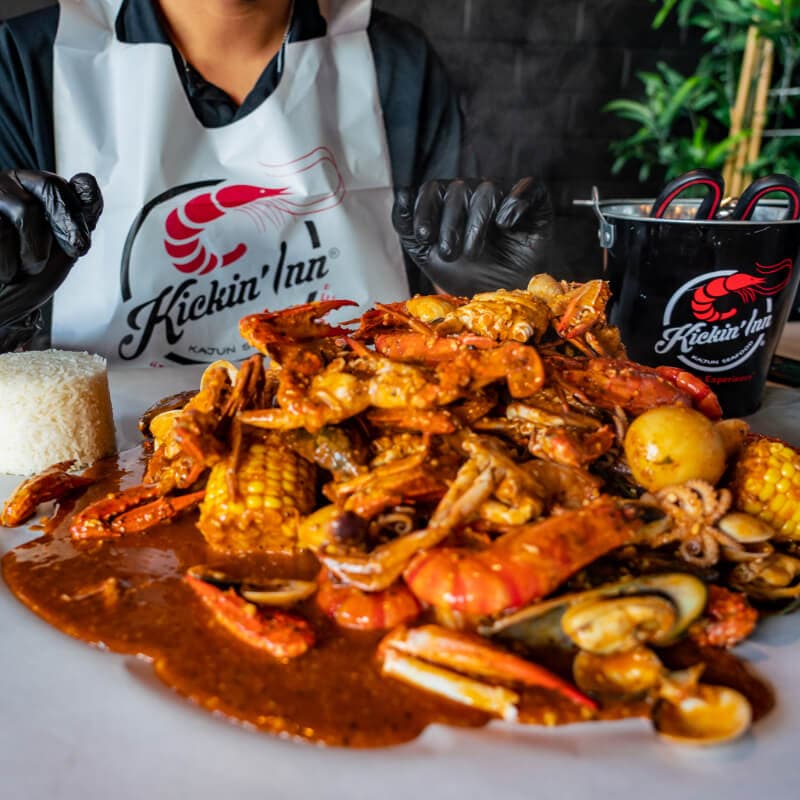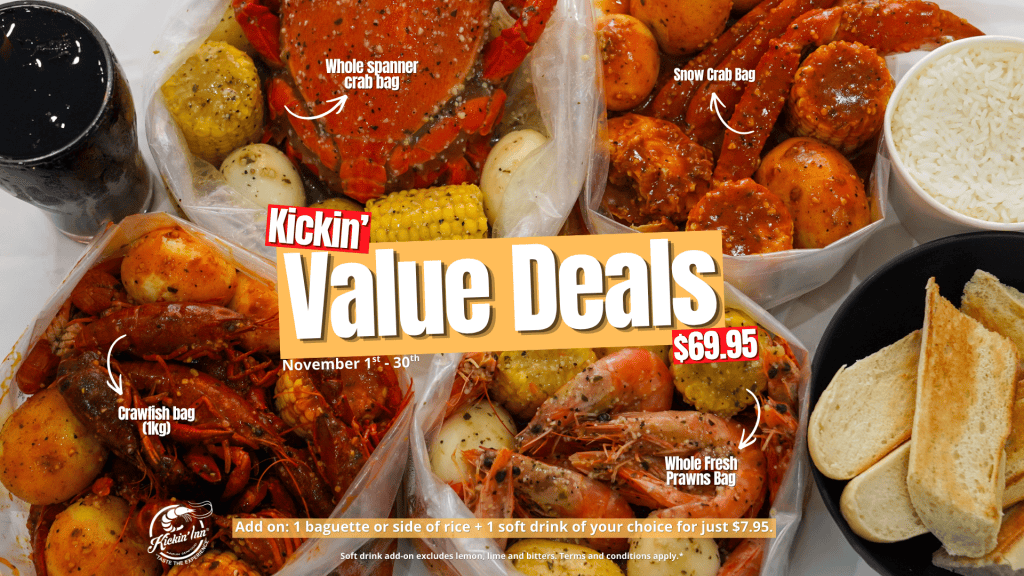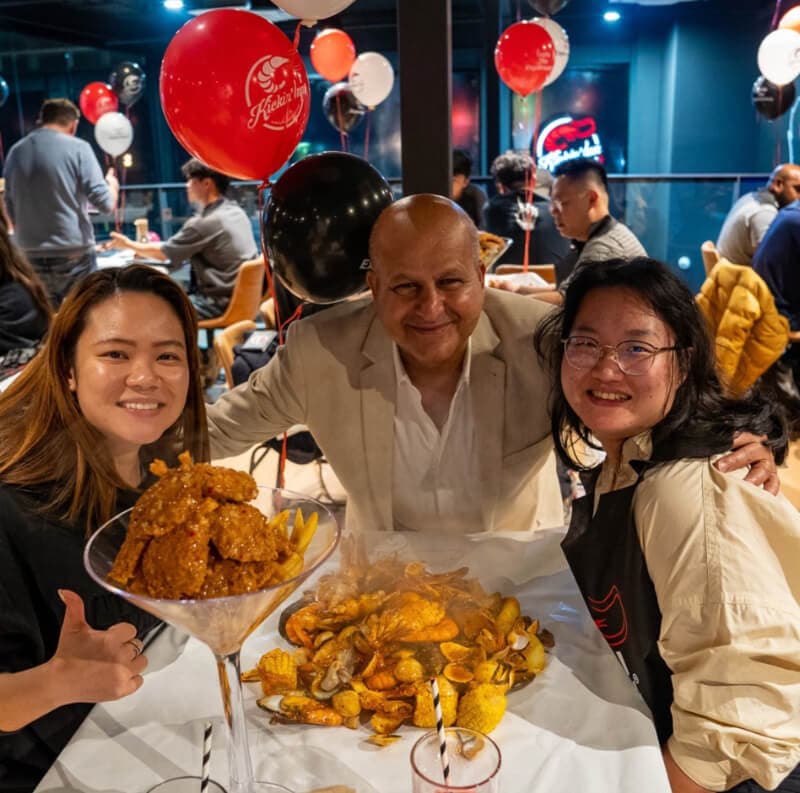
Planning a seafood boil for a large group can feel overwhelming when you’re trying to work out portions. Whether you’re hosting a birthday celebration, work function, or family gathering, getting the seafood boil portion guide right means everyone leaves satisfied without breaking the budget or wasting food.
A seafood boil is a communal dining experience where fresh seafood, vegetables, and seasonings are cooked together in large pots and served family-style. The challenge lies in estimating how much each person will eat when the meal is shared and the portions aren’t individually plated.
This guide breaks down practical portion calculations, cooking strategies for different group sizes, and tips to ensure your seafood boil hits the mark every time. You’ll learn how to accommodate varying appetites and spice preferences while keeping the experience fun and stress-free.
What Are the Basic Portion Guidelines for Seafood Boils
Understanding baseline portions helps you build an accurate shopping list and avoid the common pitfalls of over or under-ordering. These guidelines account for the communal nature of seafood boils where people tend to eat more than they would with individual plates.
How Much Seafood Per Person Should You Plan
The core seafood components require careful calculation since they’re typically the most expensive items in your boil. For mixed seafood boils, plan these amounts per person:
- Prawns or shrimp – 200-300g per person for mixed boils, 400-500g if prawns are the main protein. Research suggests these portions align well with standard seafood boil guidelines, though some experts recommend slightly larger quantities for shrimp-focused gatherings.
- Crab – 1-2 medium blue swimmer crabs or 300-400g of crab legs per person. However, industry standards often suggest higher quantities, particularly for crab legs where professional seafood guides recommend larger portions.
- Mussels – 250-350g per person (about 8-12 medium mussels). This range is supported by culinary guides, though mussel sizes can vary significantly.
- Crayfish or lobster – 1 small crayfish (400-500g) or half a large one per person
- Fish fillets – 150-200g per person if including fish in the mix. European dietary guidelines confirm this as an appropriate portion size for fish.
What Vegetables and Sides Should You Include
Vegetables and starches help fill people up and stretch the seafood further while adding flavour and texture. Standard amounts include:
- Corn cobs – 1-2 cobs per person, cut into thirds
- Potatoes – 2-3 small chat potatoes or 1 large potato per person. Professional cooking guides support this range based on the number of other sides being served.
- Onions – 1 medium onion per 4-6 people
- Garlic – 2-3 cloves per person for robust flavour
- Sausage – 100-150g per person if including as a protein addition
These vegetables cook alongside the seafood and absorb the spiced broth, making them an essential part of the experience rather than just side dishes.
How Do Group Size and Cooking Method Affect Your Planning
The size of your group significantly impacts both your ingredient calculations and cooking approach. Different group sizes require different strategies to ensure everyone gets fed efficiently and enjoys hot, properly cooked food.
What Works Best for Small to Medium Groups
For groups of 6-12 people, you can typically manage with one large pot or two medium pots. This size allows for more precise cooking control and easier spice level management. Consider cooking in batches with different seasoning intensities to accommodate varying spice preferences among diners.
Cooking in multiple seasoning batches allows for spice customisations that enhance customer satisfaction. You might prepare one mild batch, one medium-spiced batch, and one hot batch to ensure everyone can enjoy the meal at their preferred heat level.
How Should You Handle Large Groups
When cooking for 15-25 people or more, bagged boils become ideal if your cooking space isn’t equipped for large-scale operations. While the evidence on optimal group sizes for bagged approaches is still emerging, this method adapts to space limitations while ensuring everyone gets served efficiently.
For large groups, consider these strategies:
- Divide ingredients into individual or small group portions before cooking
- Use multiple smaller pots rather than attempting one massive batch
- Stagger cooking times so different components finish simultaneously
- Prepare components that can hold temperature well while others finish cooking
The key is maintaining food quality and safety while managing the logistics of serving many people at once.
What Cooking Techniques Ensure Even Results for Groups
Proper cooking technique becomes crucial when scaling up seafood boils. Understanding timing and temperature control helps you avoid common problems like overcooked seafood or undercooked vegetables.
How Should You Time Different Ingredients
Staggering the cooking times for potatoes and seafood prevents uneven cooking and maintains dish quality. Professional cooking guidance emphasises that timing different ingredients prevents overcrowding and ensures even heating. This prevents undercooked potatoes or overcooked seafood that can ruin the dining experience.
Follow this general timing sequence for best results:
- Start with potatoes and corn – These need 15-20 minutes and should go in first. However, some seafood boil recipes suggest adding corn slightly later than potatoes, so timing may vary.
- Add sausages and onions – Include these about 10 minutes after vegetables
- Include firm seafood – Add crab and crayfish about 8-10 minutes before serving
- Finish with delicate items – Prawns and mussels need only 3-5 minutes cooking time
What Equipment and Techniques Work Best
Using cheesecloth provides an alternative bagging method for better ingredient infusion while making it easier to remove items at different stages. This technique allows you to group similar-cooking items together and remove them when perfectly done.
For large groups, consider these equipment solutions:
- Multiple burner setup with different sized pots
- Large outdoor gas burners for bigger batches
- Mesh baskets or cheesecloth bags for easy ingredient management
- Large colanders for quick draining and serving
How Can You Accommodate Different Dietary Needs and Preferences
Managing a group seafood boil means dealing with varying spice tolerances, dietary restrictions, and appetite sizes. Planning for these differences ensures everyone enjoys the experience.
What Spice Level Options Should You Offer
Spice preferences vary dramatically among diners, and offering multiple heat levels keeps everyone happy. The most effective approach involves cooking separate batches rather than trying to adjust spice levels after cooking. Seafood boil experts recommend seasoning during the cooking process for best flavour integration.
| Spice Level | Heat Description | Typical Seasonings | Group Percentage |
|---|---|---|---|
| Mild | Gentle warmth | Bay leaves, garlic, lemon | 30-40% |
| Medium | Noticeable heat | Cajun spice, paprika, pepper | 40-50% |
| Hot | Significant burn | Chilli, cayenne, hot sauce | 15-25% |
How Do You Handle Dietary Restrictions
Seafood allergies and dietary restrictions require careful planning and clear communication. Consider preparing separate vegetarian options or alternative proteins for those who cannot eat seafood.
Alternative ingredients that work well in boil seasoning include:
- Firm vegetables like cauliflower and brussels sprouts
- Plant-based sausages for vegetarian guests
- Extra potatoes and corn for those avoiding seafood
- Chicken pieces as an alternative protein option
What Presentation and Service Tips Enhance the Experience
The visual appeal and serving method significantly impact how much your guests enjoy their seafood boil. Attractive presentation enhances the dining experience and creates memorable moments worth sharing.
How Should You Set Up for Serving
Traditional seafood boils are served family-style on large tables covered with paper or newspaper. This casual presentation encourages interaction and creates the authentic boil atmosphere.
Essential serving setup includes:
- Large tables covered with disposable paper covering
- Individual crab crackers and small forks for each guest
- Plenty of paper towels and wet wipes
- Individual bowls for shells and waste
- Small bowls for melted butter or additional sauces
What Quality Factors Matter Most
Freshness remains crucial for the quality and taste of the seafood boil. Using the highest quality ingredients you can afford makes a noticeable difference in the final result. While buying from reputable suppliers is essential, storage requirements vary by seafood type, and not all seafood needs to be used within 24 hours.
Key quality indicators include:
- Seafood freshness – Buy from reputable suppliers and follow proper storage guidelines
- Proper storage – Keep seafood on ice until cooking time
- Timing – Serve immediately after cooking for best texture
- Temperature – Ensure all seafood reaches safe cooking temperatures
What Should You Know About Costs and Budget Planning
Understanding the cost implications of different seafood choices helps you plan a successful event within budget while still delivering a satisfying experience.
How Do Different Seafood Options Affect Your Budget
Seafood costs vary significantly based on seasonality, quality, and type. Industry research shows that planning your menu around seasonal availability and mixing premium items with more affordable options helps control costs.
| Seafood Type | Cost Level | Best Season | Budget Strategy |
|---|---|---|---|
| Prawns/Shrimp | Medium | Year-round | Mix sizes, use as base |
| Blue Swimmer Crab | High | Summer months | Feature item, smaller portions |
| Mussels | Low | Cooler months | Volume filler, budget stretcher |
| Crayfish | Very High | Peak summer | Special occasion only |
What Cost-Saving Strategies Work Well
Smart planning can reduce costs without compromising the experience. Focus on creating volume with less expensive items while using premium seafood as highlights rather than the bulk of the meal.
Effective budget strategies include:
- Using more vegetables and corn to create filling portions
- Mixing premium seafood with more affordable options
- Buying whole crab rather than pre-cracked pieces
- Purchasing seafood in bulk for larger groups
- Planning around seasonal availability for best prices
What the Research Says About Seafood Boil Planning
Evidence from culinary professionals and food safety experts provides useful guidance for hosting successful seafood boils:
- Staggered cooking times for different ingredients consistently produce better results than adding everything at once
- Separate spice-level batches are more effective than trying to adjust seasoning after cooking
- Seasonal seafood planning significantly affects both quality and cost management
- Portion guidelines vary depending on whether seafood is the main attraction or part of a mixed meal
- The evidence on exact serving sizes is still emerging, particularly for specialty items like blue swimmer crabs
- Storage and freshness requirements differ by seafood type, so blanket rules don’t always apply
How Should You Plan and Prepare for Success
Successful group seafood boils require advance planning and systematic preparation. Having a clear timeline and preparation checklist ensures smooth execution on the day.
What Should You Do the Day Before
Advance preparation significantly reduces stress and ensures better results. Most vegetables can be prepped ahead, and having everything measured and ready makes cooking much smoother.
Day-before preparation tasks include:
- Shop for all seafood and confirm freshness
- Wash and cut vegetables into appropriate sizes
- Prepare seasoning blends for different spice levels
- Set up equipment and test your cooking setup
- Confirm final guest numbers and dietary requirements
What Day-of Timeline Works Best
Having a clear cooking and serving timeline prevents delays and ensures food stays at optimal temperature. Work backwards from your planned serving time to create your cooking schedule.
Sample timeline for a 6 PM serving:
- 4:30 PM – Begin heating water and preparing equipment
- 5:00 PM – Start cooking vegetables and longer-cooking items
- 5:30 PM – Add seafood in staged timing sequence
- 5:50 PM – Final seasoning adjustments and plating preparation
- 6:00 PM – Serve immediately while hot
When you’re ready to experience an expertly prepared seafood boil without the planning stress, Kickin’Inn takes care of all the details. Our experienced team knows exactly how to portion and prepare seafood boils for groups of any size, ensuring everyone gets their fill of perfectly cooked, boldly seasoned seafood in our fun, hands-on dining environment.
What Final Tips Ensure a Memorable Experience
Beyond the food itself, creating the right atmosphere and managing expectations helps ensure your seafood boil becomes a memorable occasion that guests will want to repeat.
The communal nature of seafood boils creates natural conversation and interaction, but setting the right tone from the beginning enhances the experience. Encourage guests to dig in with their hands, share items across the table, and embrace the messy, fun nature of the meal.
Key success factors for memorable seafood boils include maintaining realistic expectations about timing and mess, having plenty of cleaning supplies readily available, and focusing on the social experience rather than perfect presentation. The best seafood boils balance delicious food with relaxed, enjoyable company.
Remember that practice makes perfect when it comes to timing and portions. Keep notes about what worked well and what you’d adjust for next time, including guest feedback about spice levels and portion satisfaction. This information helps you refine your approach for future group dining experiences.
Think you have what it takes to work at Kickin'Inn?
Fill out an expression of interest form here. We strive to respond to all applicants as promptly as possible. We look forward to hearing from you!