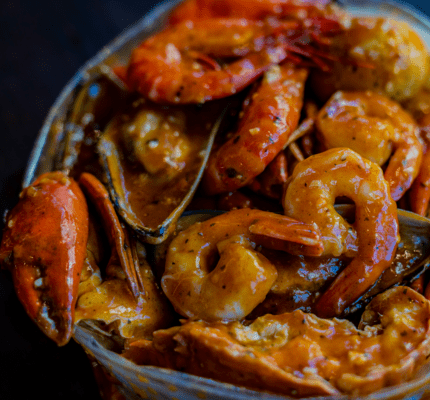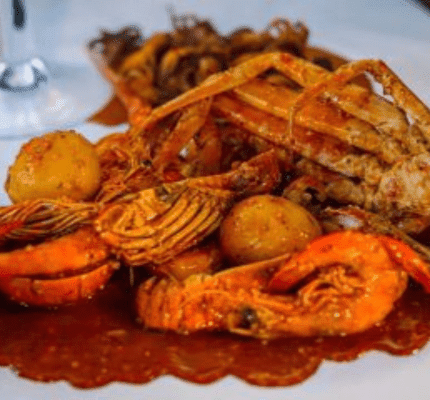
You’ve just finished an epic seafood boil session, but there’s a mountain of prawns, crab legs, and mussels staring back at you from the table. The thought of binning all that delicious seafood feels criminal, but can you actually reheat seafood boil without turning it into rubber? The good news is yes, you absolutely can preserve most of that original flavour and texture with the right approach. 🦐
Reheating seafood boil is all about gentle heat and smart technique. Unlike a steak that can handle high temperatures, seafood proteins are delicate and will turn tough and chewy if you blast them with too much heat. The key is understanding which methods work best for different components and how to bring back some of that original seasoned goodness.
Whether you’re dealing with leftover Kajun-spiced prawns or a mix of shellfish and sides, we’ll walk you through the best ways to get restaurant-quality results at home, plus some creative alternatives that might surprise you.
What Happens When You Reheat Seafood
Before diving into methods, it’s worth understanding why seafood is trickier to reheat than other proteins. Seafood contains delicate muscle fibres that contract quickly when exposed to heat. When you originally cooked your seafood boil, those proteins were perfectly timed to reach their ideal texture. Reheating essentially continues that cooking process, which means it’s easy to push prawns, crab, and mussels past their prime.
Why Gentle Heat Matters Most
The secret to successful reheating lies in low, controlled temperatures. High heat causes seafood proteins to seize up rapidly, squeezing out moisture and creating that unpleasant rubbery texture nobody wants. This is why your microwave’s full power setting is usually the enemy of good leftover seafood.
Temperature control also helps preserve the original seasonings. Those bold Kajun spices, garlic butter, and aromatic herbs that made your seafood boil special can actually intensify during gentle reheating, especially when you add a splash of liquid to help distribute the flavours.
Which Reheating Method Works Best for Different Seafood
Not all seafood responds the same way to reheating. Here’s how to approach different components of your leftover seafood boil based on their specific needs and textures.
The Gentle Oven Method for Mixed Seafood
The oven is your best friend for reheating a full seafood boil with multiple components. Preheat your oven to 200°C and arrange your seafood in a single layer on a baking tray. The key step is covering everything with foil to create a gentle steaming environment that prevents drying out.
- Add a splash of water, white wine, or leftover boil liquid under the foil
- Heat for 10-15 minutes, checking every 5 minutes
- Remove prawns first if they’re heating faster than thicker items like crab legs
- Test doneness by touching – prawns should feel warm throughout but still tender
This method works particularly well when you want to reheat everything together while maintaining the communal feel of your original seafood boil experience.

Stovetop Steaming for Premium Results
Stovetop steaming for premium results gives you the most control over the reheating process and produces results closest to your original seafood boil. Set up a steamer basket over simmering water, or use a large pot with a small amount of seasoned liquid in the bottom.
The beauty of steaming is that it gently warms your seafood while actually adding moisture back, rather than drying it out. You can enhance the flavour by adding garlic, bay leaves, or a splash of your favourite seafood seasoning to the steaming liquid.
| Seafood Type | Steaming Time | Key Signs
|
|---|---|---|
| Prawns | 2-3 minutes | Heated through, still plump |
| Crab legs | 4-6 minutes | Shell feels hot to touch |
| Mussels | 3-4 minutes | Shells are hot, meat warmed |
| Corn/potatoes | 5-8 minutes | Hot all the way through |
How to Bring Back Original Flavours During Reheating
One of the biggest challenges with reheating seafood boil isn’t just texture – it’s maintaining those bold, punchy flavours that made your meal memorable in the first place. The good news is that gentle reheating can actually help redistribute and intensify seasonings.
Creating a Flavour Revival Mix
Before reheating, prepare a simple butter-based mixture to brush over your seafood. Creating a flavour revival mix with melted butter, minced garlic, a squeeze of lemon juice, and a pinch of your favourite Kajun seasoning serves two purposes – it adds moisture during heating and reintroduces those essential flavours.
For an authentic seafood boil taste, try adding a splash of Worcestershire sauce or a dash of hot sauce to your revival mix. These umami-rich ingredients help bridge any flavour gaps that might have developed during storage.
Timing Your Seasoning Application
The timing of when you add seasonings matters more than you might think. Add liquid-based seasonings like garlic butter at the start of reheating to help them penetrate the seafood. Save dry spices like paprika, cayenne, or seafood seasoning blends for the final few minutes to prevent them from burning or becoming bitter.
Should You Consider Eating Seafood Boil Cold
Here’s a controversial take that might change how you think about leftovers – sometimes cold seafood boil is actually the better option. Many experienced seafood lovers prefer eating leftover prawns and crab cold to avoid any risk of overcooking.
When Cold Works Better Than Reheated
Cold seafood maintains its original texture perfectly, especially prawns which can go from tender to rubbery in seconds if overheated. The flavours are often more pronounced when cold too, as your taste buds can pick up subtle seasonings without the distraction of steam and heat.
Try this approach – reheat your sides like corn, potatoes, and sausage until they’re piping hot, then serve them alongside cold seafood. Provide small bowls of melted garlic butter for dipping, and you’ve got the best of both worlds.
- Cold prawns with hot, buttery corn kernels
- Chilled crab meat with warm, seasoned potatoes
- Room temperature mussels alongside hot, spicy sausage
This mixed-temperature approach is particularly smart when you’re unsure about reheating timing or working with seafood that’s been stored for a day or two.
Creative Ways to Repurpose Seafood Boil Leftovers
Sometimes the best way to “reheat” your seafood boil is to not reheat it at all, but transform it into something completely new. This approach eliminates texture concerns while giving you exciting meal variety.
Turn It Into Pasta Gold
Leftover seafood boil makes incredible pasta dishes. Remove the seafood meat from shells, then toss with hot pasta, garlic, butter, and a splash of white wine. The residual heat from the pasta gently warms the seafood without overcooking it. Add corn kernels and diced potatoes from your original boil for extra texture and flavour.
Breakfast and Brunch Transformations
Seafood boil components work brilliantly in breakfast dishes. Dice up leftover potatoes and corn, then pan-fry them with onions to create a base for adding cold prawns and crab at the end. Top with a fried egg for a hearty breakfast that repurposes every element of your original meal.
Another winner is seafood boil potato salad – mix cold seafood with boiled potatoes, corn, and a tangy dressing. It’s perfect for picnics, work lunches, or as a side dish for your next seafood feast.
What Not to Do When Reheating Seafood Boil
Just as important as knowing the right methods is understanding what to avoid. These common mistakes can turn perfectly good leftover seafood into an unappetising mess.
The Office Microwave Disaster
While microwaving can work at home with careful technique, reheating seafood in shared spaces like office break rooms is generally a bad idea. Seafood creates strong, lingering odours that can be overwhelming in enclosed spaces and may not be appreciated by your colleagues.
If you must use a microwave, separate your components first. Heat sides like corn and potatoes on medium power, then add seafood for just 30-60 seconds on low power. Always add a small amount of water to prevent drying out.
Storage Time Limits to Respect
Even the best reheating technique can’t save seafood that’s been stored too long. Cooked seafood should be consumed within 1-2 days when properly refrigerated. If your seafood boil has been sitting in the fridge for more than two days, or if it smells off at all, it’s better to discard it rather than risk foodborne illness.
- Trust your nose – fresh seafood smells like the ocean, not “fishy”
- Check texture – slimy or mushy seafood should be discarded
- When in doubt, throw it out – seafood safety isn’t worth the risk
Making Your Next Seafood Boil More Leftover-Friendly
The best leftover strategy starts before you even begin cooking. By planning ahead, you can set yourself up for better reheating success and more enjoyable next-day meals.
Smart Ordering and Cooking Strategies
When ordering or cooking seafood boil, consider keeping some components separate if you know you’ll have leftovers. Request extra seasoning on the side, or cook vegetables and seafood in separate batches so you can reheat them using their optimal methods.
Store different components separately in the fridge – seafood in one container, vegetables in another, and any liquid or sauce in a third container. This gives you maximum flexibility for reheating and repurposing.
What to Do Next
Ready to put these reheating techniques to the test? The key is starting with quality seafood boil that’s been properly stored and choosing the gentle reheating method that works best for your situation. Whether you go with the oven method for convenience, steaming for premium results, or the cold approach for fool-proof texture, you’ll be amazed how good leftover seafood boil can taste.
Remember, there’s no shame in admitting defeat and transforming your leftovers into something new. Sometimes a seafood pasta or breakfast hash is exactly what you need, and it might even taste better than the original boil.
The Bottom Line on Seafood Boil Leftovers
Yes, you absolutely can reheat seafood boil without losing flavour – you just need to be smart about it. Gentle heat, proper timing, and a little flavour enhancement go a long way toward recreating that original experience. Whether you choose to reheat, serve cold, or repurpose into new dishes, those leftover prawns and crab legs don’t have to go to waste.
The most important thing is food safety. When stored properly and reheated within a day or two, your seafood boil leftovers can be just as delicious as the original meal. Trust your senses, use gentle heating methods, and don’t be afraid to get creative with repurposing when straight reheating isn’t the right call.
With these techniques in your back pocket, you can order that extra-large seafood boil with confidence, knowing that every last bite will be put to good use. 🤤
Think you have what it takes to work at Kickin'Inn?
Fill out an expression of interest form here. We strive to respond to all applicants as promptly as possible. We look forward to hearing from you!