Finding the perfect family-friendly seafood restaurant can feel overwhelming when you’re balancing everyone’s tastes, dietary needs, and budget considerations. Whether you’re planning a special celebration or simply want to introduce your children to fresh seafood, choosing the right venue makes all the difference between a memorable meal and a stressful experience.
A truly family-friendly seafood restaurant goes beyond just serving fish and chips. It creates an environment where parents can relax while children feel welcome and engaged. From interactive dining experiences to accommodating service, the best venues understand that families need more than great food to have a wonderful time together.

Understanding what to look for before you book helps ensure your seafood dining adventure meets everyone’s expectations while staying within your budget.
What Budget Should You Expect for Family Seafood Dining
Seafood dining has become increasingly expensive across Australia, with recent industry data showing fish and seafood prices rising by 4.23% in the final quarter of 2024. While quality seafood meals generally start around $15-20 per person, the evidence suggests this range may be conservative for premium seafood dining experiences, especially after recent price increases across the restaurant industry.
How Much Does Family Seafood Dining Typically Cost
When budgeting for a family seafood outing, consider these typical price ranges based on current market conditions:
- Children’s portions generally cost $12-18
- Adult mains typically range from $20-45
- Shared platters often provide better value for families of four or more
- Lunch specials may offer savings compared to dinner pricing
Many families find that seafood restaurants with lunch specials or early bird pricing help stretch their dining budget further. Research indicates that lunch service at seafood establishments typically offers more affordable options compared to dinner service, with these promotions often including similar portion sizes and quality to dinner service but at reduced prices.
Which Dining Formats Offer the Best Value
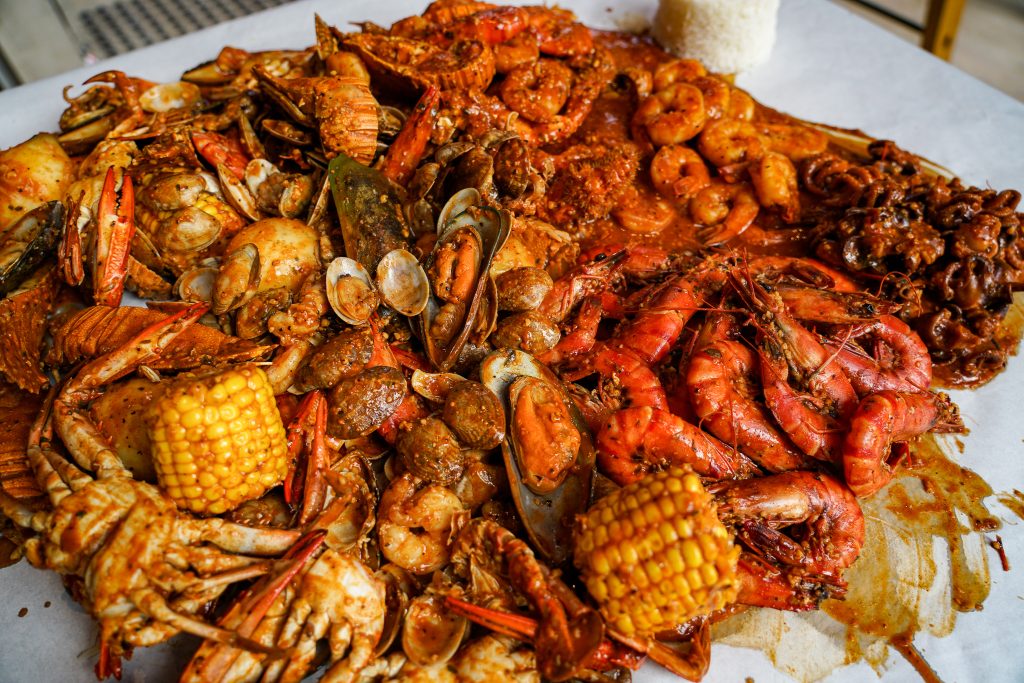
Different seafood restaurant formats can significantly impact your total cost. Interactive dining experiences, such as seafood boils where you share large portions, often provide better value than individual plated meals. These communal dining styles create natural opportunities for social interaction and bonding while also creating a more engaging experience for children who enjoy hands-on eating.
What Kid-Friendly Features Should You Look For
The most successful family seafood restaurants understand that children need specific accommodations to feel comfortable and engaged throughout their meal. Look for venues that have clearly thought through the family dining experience.
Which Amenities Make Dining Easier for Parents
Essential kid-friendly features include:
- High chairs and booster seats readily available
- Children’s menus with familiar options alongside seafood choices
- Colouring materials or activity sheets to keep children occupied
- Easy-to-clean surfaces and relaxed atmosphere about minor messes
- Staff trained to accommodate families with patience and understanding
Industry guidance shows that high chairs are recognised as a standard family-friendly amenity at quality seafood establishments. Restaurants that provide entertainment materials show they understand children’s attention spans during longer meals. This consideration allows parents to enjoy their food while children remain happily occupied.
How Important Are Menu Options for Different Ages
A well-designed children’s menu offers both adventurous and conservative options, though the evidence on optimal menu design approaches is still emerging. Some children eagerly try new seafood dishes, while others prefer familiar foods. The best family seafood restaurants cater to both preferences without making anyone feel excluded.
Look for venues that offer:
- Mild seafood options like grilled fish or prawns
- Non-seafood alternatives for hesitant eaters
- Adjustable spice levels for shared dishes
- Smaller portion sizes at appropriate prices
How Does Restaurant Location and Atmosphere Impact Family Dining
The physical setting of a seafood restaurant plays a crucial role in creating a positive family experience. Waterfront locations, for example, often provide natural entertainment for children while parents enjoy their meals.
What Types of Locations Work Best for Families
Consider these location advantages when choosing your family seafood restaurant:
| Location Type | Family Benefits | Potential Drawbacks
|
|---|---|---|
| Waterfront venues | Natural views keep children interested, often more spacious | May be more expensive, weather dependent for outdoor seating |
| Shopping centre locations | Easy parking, additional family activities nearby | Can be noisy, less atmosphere |
| Standalone restaurants | Often quieter, dedicated parking | Limited backup activities if children become restless |
| Floating or unique venues | Memorable experience, conversation starters for children | May require more planning, accessibility considerations |
Which Atmosphere Elements Support Family Comfort
The most family-friendly seafood restaurants balance a welcoming atmosphere with practical considerations. Noise levels matter significantly – you want enough ambient sound that children’s voices don’t disturb other diners, but not so loud that family conversation becomes difficult.
Spacious seating arrangements allow families to move around when needed, particularly important for restaurants with interactive dining styles where guests handle their own seafood. Good ventilation helps manage cooking odours that might overwhelm sensitive children.
How Do You Evaluate Service Quality for Family Dining
Service quality can make or break a family seafood dining experience. Staff who understand family dynamics and respond appropriately to children’s needs create a much more relaxed environment for everyone.
What Service Standards Should You Expect
Research shows that excellent family service includes:
- Patient explanation of menu items and preparation methods
- Flexibility with ordering and timing
- Quick response to spills or accidents without making families feel embarrassed
- Knowledge about allergens and dietary restrictions
- Ability to suggest appropriate dishes for different age groups
Professional guidance emphasises that staff training on handling children and managing allergies are essential components of family-friendly service. Staff who engage positively with children while respecting parents’ preferences help create a welcoming environment. This might include explaining how seafood is prepared or sharing interesting facts about different fish types.
How Can You Assess Service Quality Before Visiting
Research potential restaurants by reading recent reviews that specifically mention family experiences. Look for comments about how staff handled children, whether high chairs were readily available, and how accommodating the venue was for special requests.
Many establishments also showcase their family-friendly credentials on their websites or social media, highlighting special amenities or children’s menu options. This transparency often indicates a genuine commitment to serving families well.
What Food Safety and Quality Considerations Matter Most
When dining with children, food safety becomes even more important. Fresh seafood requires careful handling and preparation, and reputable restaurants maintain high standards throughout their operation.
Which Quality Indicators Should You Notice
Signs of a high-quality seafood restaurant include:
- Clear information about sourcing and sustainability practices
- Fresh, clean seafood smells rather than strong fishy odours
- Transparent preparation methods and cooking times
- Willingness to answer questions about ingredients and preparation
- Proper food handling and storage visible in open kitchen designs
Food safety authorities confirm that fresh seafood should have a mild, clean, ocean-like scent rather than strong fishy odours, which indicate spoilage and potential safety risks. Restaurants that emphasise their sea-to-plate sourcing or local fishing connections often maintain higher quality standards. These establishments understand that fresh, properly handled seafood creates better flavours and safer dining experiences.
How Do You Handle Dietary Restrictions and Allergies
Seafood allergies are serious concerns that family-friendly restaurants must handle professionally. The best venues maintain detailed allergen information and can modify dishes safely when needed.
Always inform your server about any family allergies before ordering. Quality seafood restaurants will take these seriously and may recommend specific dishes or preparation methods that avoid cross-contamination risks.
What Makes the Dining Experience Interactive and Memorable
The most successful family seafood restaurants create experiences that engage all family members. Interactive dining experiences are increasingly recognised for enhancing engagement and creating memorable experiences, though the evidence on their specific benefits for children compared to adults is still developing.
Which Interactive Dining Styles Work Well for Families
Hands-on seafood experiences, such as communal seafood boils, create natural opportunities for family bonding. These dining styles encourage sharing, conversation, and active participation from all family members through their interactive, communal nature.
Some venues offer educational elements, such as explaining different seafood types or preparation methods. This educational component can help children develop more adventurous palates while learning about marine life and sustainable fishing practices.
How Do You Prepare Children for New Seafood Experiences
Before visiting, discuss what to expect with your children. Explain any unique dining formats, such as eating with hands or sharing large platters. This preparation helps children feel more comfortable and excited about the experience.
Consider starting with milder seafood options and gradually introducing more adventurous choices. Many children respond well when they can see their food being prepared or when they understand the story behind their meal.
How Can You Make the Most of Your Family Seafood Dining Experience
Planning ahead ensures your family seafood restaurant visit goes smoothly and creates positive memories for everyone involved. Consider timing, group size, and individual preferences when making your selection.
What Timing and Booking Strategies Work Best
Early dinner bookings often provide the best family experience, though definitive evidence on this timing advantage is still emerging. Restaurants are typically less crowded during these times, service may be more attentive, and children are usually in better moods before becoming overtired.
Weekend lunch bookings can offer excellent value through lunch specials while providing a more relaxed pace for families. Many venues also offer special family deals during off-peak hours.
When booking, mention that you’re dining with children. This allows the restaurant to prepare appropriate seating and have necessary amenities ready upon your arrival.
Which Questions Should You Ask When Making Reservations
Essential questions to ask include:
- Do you have high chairs and children’s menus available
- Can you accommodate specific dietary restrictions or allergies
- What are your most popular family-friendly dishes
- Do you offer any interactive or educational dining experiences
- What parking options are available
These questions help you assess whether the venue truly understands family dining needs and can accommodate your specific requirements.
What the Research Says About Family Seafood Dining
Understanding the evidence behind family-friendly seafood dining helps you make informed choices for your family’s next outing.
- Fresh seafood quality can be reliably assessed through smell – food safety authorities confirm that quality seafood has clean, ocean-like scents rather than strong fishy odours
- Interactive dining formats like seafood boils are well-documented for promoting family bonding through their communal, hands-on nature
- High chairs are consistently recognised as essential family amenities across quality seafood establishments
- Lunch pricing typically offers better value than dinner service at seafood restaurants
- Staff training in allergy management and child-friendly service significantly improves family dining experiences
- However, evidence on optimal children’s menu design and the timing benefits of early bookings remains limited, with more research needed in these areas
Taking Your Next Steps Towards Great Family Seafood Dining
Finding the perfect family-friendly seafood restaurant requires balancing multiple factors, from budget considerations to service quality and interactive experiences. The key is identifying venues that genuinely understand family dynamics and create welcoming environments for all ages.
Start by researching restaurants that explicitly cater to families, looking for specific amenities like children’s menus, high chairs, and patient service. Consider your family’s comfort level with different seafood types and interactive dining formats when making your selection.
Remember that the most memorable family dining experiences combine great food with engaging atmospheres and accommodating service. With proper planning and realistic expectations, your family can discover the joy of sharing fresh, delicious seafood together while creating lasting memories around the dinner table.
Think you have what it takes to work at Kickin'Inn?
Fill out an expression of interest form here. We strive to respond to all applicants as promptly as possible. We look forward to hearing from you!